As the demand for immersive visual experiences grows, the significance of 3D LED video walls in various sectors becomes increasingly apparent. According to recent industry reports, the global market for LED displays is projected to reach over $100 billion by 2026. The remarkable evolution of 3D LED video wall technology has played a pivotal role in this growth. Retail, entertainment, and corporate sectors are now leveraging these advanced displays to captivate audiences effectively.
3D LED video walls provide enhanced depth perception and vivid imagery. This quality is driving their adoption in high-profile events and brand activations. A recent survey indicated that 78% of marketers believe investing in 3D visual solutions boosts audience engagement. However, while the technology is promising, there are still challenges to address. For instance, achieving perfect calibration in large installations requires meticulous planning and skilled technicians.
Looking ahead, it's crucial to stay informed about the latest options in the market. With the rapid pace of technological advancements, understanding the best 3D LED video wall solutions for 2026 can help businesses make informed decisions. Embracing this technology now can yield a significant competitive advantage; however, careful consideration is necessary to ensure optimal use and implementation.
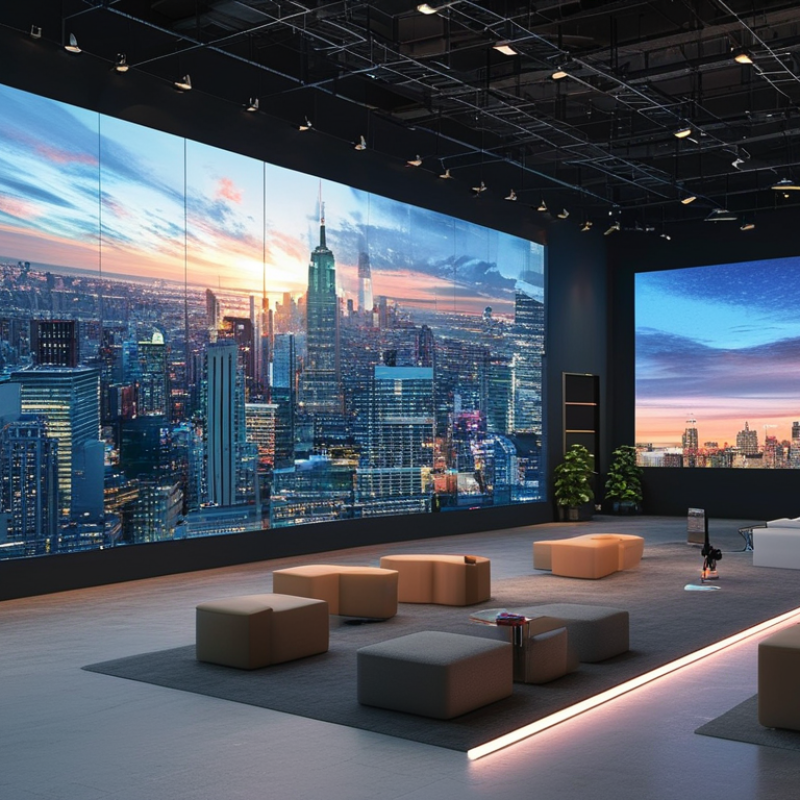
3D LED video walls use innovative technology to create stunning visual experiences. They rely on advanced display technology that combines LED panels and 3D imaging techniques. This allows for depth perception and immersive viewing. Users often find themselves captivated by vivid colors and motion. The integration of augmented reality can enhance these experiences further.
When selecting a 3D LED video wall, keep these tips in mind: consider the space where it will be installed. The wall's size and resolution should match the viewing distance. Environment also plays a role. Outdoor walls need different brightness levels than indoor setups.
Maintenance is crucial. Regular checks ensure optimal performance. Dust and debris can affect visibility. Users sometimes overlook this simple step, causing issues down the line. Think about scalability as well. As technology advances, your setup should be able to adapt without needing a complete overhaul. This foresight can save costs and time.
When choosing a 3D LED video wall, several key features should guide your decision. One primary consideration is resolution. Higher resolutions provide sharper images, crucial for immersive experiences. According to a recent industry report, over 70% of viewers prefer a resolution of at least 4K. This preference impacts consumer engagement significantly.
Brightness is another vital factor. A video wall must be bright enough to maintain image clarity under various lighting conditions. Research indicates that displays with over 1000 nits brightness see a 30% increase in viewer retention. This information is critical for venues expecting diverse lighting.
Furthermore, modular design can enhance flexibility. A modular wall allows for easy configurations, accommodating different spaces and events. This adaptability is essential in today’s dynamic display environments. However, potential users should carefully assess installation logistics and long-term maintenance needs, as these can lead to hidden costs or technical challenges. Finding the right mix of features requires balancing performance and practicality.
In recent years, 3D LED video walls have transformed how we experience visual content. Many manufacturers are pushing the boundaries of technology, creating stunning displays that captivate audiences. These systems are ideal for events, retail spaces, and public installations. Each manufacturer brings unique features to the table.
Some use advanced pixel technology for clarity and depth. Others focus on modular designs to enhance scalability. It’s fascinating how quickly things change in this industry. However, not all products meet the expectations set by their creators. Some users have reported issues with color accuracy and brightness stability.
Researching the best options requires careful consideration. Understanding each manufacturer’s strengths can guide your choice. Look for those with a solid reputation in video wall technology. Their experience often speaks volumes about quality and reliability. While the market is competitive, not every offering delivers the same value. By weighing your options carefully, you can find a solution that truly enhances your visual experience.
As the market for 3D LED video walls evolves, understanding pricing becomes essential. An analysis of the 2026 landscape reveals a range of options influenced by technology and features. The prices will vary based on size, resolution, and custom configurations. Entry-level models may start at lower prices, appealing to small businesses. However, high-end versions can command significantly higher costs due to advanced capabilities.
Investing in a 3D LED video wall means weighing long-term benefits against initial outlay. Features like brightness, refresh rate, and durability play critical roles in pricing. Buyers often grapple with balancing performance and budget. In some cases, cheaper options may not deliver expected quality, leading to additional expenses for replacements or upgrades. It's crucial to evaluate the total cost of ownership, not merely the upfront price.
While comparison shopping is advisable, not all information sources are reliable. Seek reviews from credible experts who understand the nuances of video wall technology. An informed decision aids in selecting a 3D LED video wall that meets functional and financial needs without overspending. It underscores the importance of research, ensuring that choices reflect genuine value.
The future of 3D LED video wall technology is being shaped by exciting trends and innovations. According to a recent market research report, the global LED display market is projected to reach $70 billion by 2026. This growth is driven by the demand for high-quality, immersive visual experiences across various industries, including entertainment, retail, and corporate events.
One key trend is the advancement in pixel pitch technology, which enhances image clarity. Manufacturers are now producing panels with a pixel pitch as small as 1.2 mm. These improvements mean that even large displays can achieve incredible detail. As viewers become more accustomed to high definition, the demand for tighter pixel pitches increases. Moreover, energy efficiency is a growing concern. Next-generation LED panels are designed to consume less power while providing brighter images.
Another innovation is addressing the installation and maintenance challenges. Modular designs allow for easy upgrades and repairs without significant downtime. Some systems can be recalibrated remotely, ensuring optimal performance. However, as the technology becomes more complex, the need for skilled technicians also rises. This dual-edged sword highlights the importance of training and expertise in the industry. Ultimately, while the possibilities are vast, companies must remain adaptable to this fast-evolving landscape.
| Option | Display Resolution | Screen Size | Refresh Rate | Brightness (nits) | Viewing Angle | Projected Cost |
|---|---|---|---|---|---|---|
| Option A | 3840 x 2160 | 120 inches | 120 Hz | 1500 | 160° | $10,000 |
| Option B | 1920 x 1080 | 150 inches | 60 Hz | 1200 | 140° | $7,500 |
| Option C | 2560 x 1440 | 100 inches | 120 Hz | 1600 | 150° | $8,500 |
| Option D | 3840 x 2160 | 200 inches | 144 Hz | 2000 | 170° | $15,000 |
: Resolution is crucial. Higher resolution provides sharper images, improving viewer engagement.
Brightness ensures image clarity. Displays over 1000 nits improve viewer retention significantly.
Modular design offers flexibility. It allows easy configurations for different spaces and events.
Installation logistics and long-term maintenance can lead to unexpected expenses and difficulties.
Research manufacturers' reputations. Their experience often indicates the quality of their products.
Users sometimes report color accuracy and brightness stability problems with certain products.
Resolution significantly affects viewer engagement. Aim for at least 4K for best results.
Yes, modular designs enhance adaptability for different occasions and setups.
Yes, understanding each manufacturer’s strengths helps you make a well-informed decision.
Some products can fall short in performance, affecting overall satisfaction with the display.
The article "Discover the Best 3D LED Video Wall Options for 2026" provides a comprehensive exploration of the technology behind 3D LED video walls, highlighting their innovative design and capabilities. It outlines key features to consider when selecting a 3D LED video wall, such as resolution, brightness, and scalability, ensuring that users can make informed decisions based on their specific needs.
Additionally, the article offers a comparative analysis of pricing, helping potential buyers understand the market landscape for 2026. It forecasts future trends and innovations in 3D LED video wall technology, emphasizing advancements that could redefine visual displays. This resource serves as a valuable guide for anyone seeking to invest in high-quality 3D LED video walls in the coming years.

Hafond Display