Led Screen Wall Panels are reshaping visual communication in retail, transport, hospitality, sports, and corporate environments. Fortune Business Insights reports that the global LED display market was valued at approximately USD 9.64 billion in 2024. It also projects strong growth through 2032, driven by fine-pitch displays, outdoor advertising, and immersive experiences. These figures show opportunity, but they do not make product selection simple.
A professional buyer must look beyond cabinet price. Pixel pitch affects viewing distance and image sharpness. Brightness determines daytime visibility. Refresh rate matters when cameras record the screen. IP ratings help protect outdoor installations from dust and rain. Front maintenance can reduce service time in crowded venues. Energy efficiency also influences long-term ownership costs. The U.S. Department of Energy continues to identify LED technology as a major pathway for efficient lighting and display-related applications, although display power consumption varies by design and usage.
No panel wins everywhere.
This guide evaluates seven leading Led Screen Wall Panels for global buyers. The comparison considers image quality, cabinet design, installation flexibility, thermal performance, maintenance access, warranty support, and compliance documentation. Information from Grand View Research and MarketsandMarkets also points to continued demand for fine-pitch and large-format LED solutions. However, market reports often use different definitions and forecasting methods. Their numbers should support decisions, not replace testing.
A showroom image cannot reveal every weakness. A panel may look excellent yet perform poorly in direct sunlight. Another may offer lower pricing but limited spare parts. Buyers should request brightness measurements, color consistency data, certifications, sample cabinets, and realistic shipping terms before ordering. That practical check can prevent an expensive mismatch.
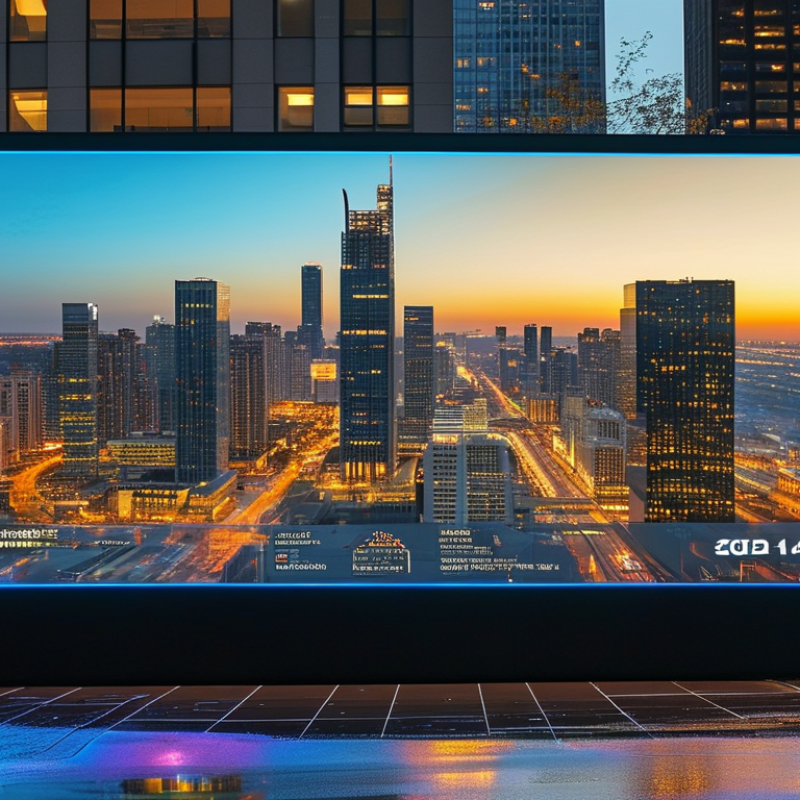
Types of LED Screen Wall Panels for Different Applications
LED screen wall panels are not one universal product. Indoor fine-pitch panels suit control rooms, retail windows, museums, and conference rooms. Outdoor high-brightness panels handle sunlight, rain, and longer viewing distances. Rental panels use lighter cabinets and fast locks for touring stages. Flexible panels create curved columns and flowing architectural surfaces. Installation becomes less forgiving.
The wrong type can look acceptable in a showroom and fail at noon. Grand View Research’s 2024 LED Display Market report estimates the global market at about US$7.2 billion in 2023, with growth continuing through 2030. MarketsandMarkets projects expansion from US$7.4 billion in 2023 to US$12.6 billion by 2028. These reports use different market boundaries, so buyers should compare definitions carefully.
Pixel pitch should follow viewing distance, not sales language. A 1.2–2.5 mm pitch can preserve small text indoors, while 6–10 mm often suits distant outdoor audiences. Indoor brightness around 800–1,200 nits is usually comfortable; outdoor systems may require 5,000 nits or more. Look for suitable weather protection, front maintenance, stable color calibration, and a refresh rate that performs well on camera. Test the panel with real content. A specification sheet is not enough. Even experienced buyers sometimes overlook heat, cable access, or nearby sunlight. That mistake is expensive.
Key Specifications for Comparing LED Wall Panel Quality
7 Best LED Screen Wall Panels for Global Buyers
Comparing LED wall panels requires more than checking pixel pitch. In real installations, brightness, refresh rate, and cabinet precision affect daily performance. Pixel pitch determines viewing distance: tighter pixels suit close indoor audiences, while wider spacing often works better outdoors. Brightness should match the environment without causing visual discomfort. A panel rated around 800 to 1,200 nits may suit indoor venues, while outdoor screens usually need much higher output. Measure the site first.
Refresh rate matters for cameras, live events, and fast motion. A rate above 3,840 Hz can reduce visible scan lines, but it does not guarantee perfect images. Check grayscale performance, color consistency, and calibration controls. Cabinet flatness is equally important. Small alignment errors can create visible seams across a large wall. Front or rear service access also affects maintenance time, especially when panels are mounted high. I have seen specifications look impressive, yet poor heat control caused uneven brightness months later. That detail deserves more attention.
Tips: Request sample videos, not only product photos. Compare panels at the same brightness level. Ask for power consumption during normal operation, not just peak figures. Check ingress protection ratings for outdoor use, connector durability, spare-part availability, and warranty terms. Thermal testing is valuable. Still, test results may not reflect your climate or installation method. Leave room for doubt, and inspect every practical detail before approving a large order.
Seven Leading LED Screen Wall Panel Options for Global Buyers
Seven Leading LED Screen Wall Panel Options for Global Buyers
Global buyers need more than impressive brightness. They need stable performance, clear documentation, and simple maintenance. Seven leading LED screen wall panel options cover different installation needs. Fine-pitch indoor panels suit control rooms, retail displays, and conference halls. High-brightness outdoor panels work well in sunlight and changing weather. Rental panels offer lightweight frames and quick locking systems for touring events. Transparent panels preserve window views in commercial buildings. Flexible panels fit curved stages and creative interior designs. All-in-one panels combine display, control, speakers, and power management. Energy-efficient panels reduce operating costs in large installations.
Pixel pitch matters, but it is not the whole decision. Viewing distance, cabinet weight, refresh rate, and service access affect daily results. Outdoor buyers should check weather protection ratings, temperature ranges, and corrosion resistance.
Indoor buyers should examine heat control and low-noise operation. A reliable supplier should provide test reports, spare-module guidance, wiring diagrams, and clear warranty terms. Local electrical standards also deserve attention. Ignoring them creates expensive delays.
Tips: Request a live demonstration before ordering. Inspect black levels, skin tones, motion clarity, and cabinet seams. Ask how quickly replacement modules can arrive. Do not compare prices alone. A cheaper panel may need more frequent calibration. That part is often underestimated. My own evaluation would also include three months of power data, although many buyers skip this practical step. No panel is perfect. The best choice depends on the venue, content, climate, and maintenance team.
Installation, Maintenance, and Operational Requirements
Among the seven strongest LED screen wall panel options, installation quality often matters more than headline brightness. Choose panels with secure mounting frames, accessible service paths, and clear alignment marks. A level support structure prevents visible gaps and uneven seams. Confirm voltage, load capacity, grounding, and cable routes before delivery. Leave ventilation space behind the cabinets, especially in warm venues. Weather-rated panels need sealed connectors, drainage planning, and suitable protection from dust and moisture.
Operational requirements
should match the venue’s real conditions. Indoor screens may need lower brightness, while outdoor displays require stronger light output and automatic brightness control. Use a compatible control system with stable signal transmission and backup settings. Maintenance teams should inspect connectors, fans, power supplies, and module edges regularly. Keep several tested spare modules available. Small failures become expensive when replacement parts are delayed. A perfect installation rarely exists; early testing still prevents many avoidable faults.
Tips:
Measure viewing distance before selecting pixel pitch. Test the complete wall for eight hours under normal content. Record panel positions and cable connections. Clean surfaces with approved tools, not excessive water. Schedule inspections after storms, transport, or unusual heat. Train at least two operators, because relying on one person creates a fragile process. Review brightness settings each season; yesterday’s setting may not suit tomorrow’s environment.
Pricing, Supplier Selection, and International Purchasing Considerations
7 Best LED Screen Wall Panels for Global Buyers
Pricing should start with total cost, not the cabinet quotation. Fortune Business Insights valued the global LED display market at about USD 7.1 billion in 2023, showing strong demand but also wider supplier variation. Indoor fine-pitch panels usually cost more than outdoor high-brightness models. Rental panels add flight cases, spare modules, and faster locking systems. Transparent, flexible, and all-in-one panels serve specialized projects. They are not automatically better.
Request pricing by square meter, pixel pitch, brightness, refresh rate, power consumption, controller, packaging, and warranty. Ask for a complete sample cabinet. Inspect its corner protection, module alignment, receiving-card access, and cable labeling. A low quote can hide customs charges, replacement parts, installation tools, or costly air freight. It happens more often than buyers admit. AVIXA’s 2024 Industry Outlook and Trends Analysis projects the professional AV industry will approach USD 422 billion by 2028, increasing pressure on suppliers to provide dependable service and documentation.
International buyers should verify factory experience, production capacity, quality-control records, and export packaging. Request test videos under real lighting, not only studio footage. Check whether spare modules match the delivered batch. Confirm voltage, plug standards, weather rating, color calibration, and local service response times. A supplier with impressive specifications may still fail during a humid installation. Independent inspection before shipment is sensible, although it adds time and cost. Incoterms, duties, insurance, payment milestones, and warranty exclusions should be written clearly. Supplier selection is partly technical judgment and partly risk management.
7 Best LED Screen Wall Panels for Global Buyers
Indicative international purchase budgets by common LED wall configuration
The chart shows indicative panel-only purchase budgets in USD per square metre for commonly traded LED wall configurations. Actual quotations vary with cabinet size, refresh rate, brightness, receiving cards, spare parts, certification, shipping terms, import duties, installation, and after-sales support. Indoor fine-pitch panels are generally selected for close viewing, while outdoor panels require higher brightness and weather protection.
Planning reference: typical international market ranges for generic, non-branded products; prices exclude freight, taxes, installation, control systems, and structural work. Confirm compliance with local electrical, EMC, fire-safety, and weatherproofing requirements before purchase.
FAQS
: Indoor fine-pitch panels suit control rooms, museums, retail windows, and conference rooms. They preserve small text at close viewing distances. Measure first.
Choose outdoor panels for sunlight, rain, dust, and longer viewing distances. They often require 5,000 nits or more. Weather protection matters.
Select pixel pitch according to viewing distance, not sales claims. A 1.2–2.5 mm pitch often suits close indoor audiences. A 6–10 mm pitch may suit distant outdoor viewers.
Indoor screens commonly use about 800–1,200 nits for comfortable viewing. Higher output may suit bright outdoor conditions. Too much brightness can feel harsh. Test real content at the site.
No. A rate above 3,840 Hz can reduce camera scan lines. It does not guarantee strong grayscale or consistent colors. Check actual video performance.
Use a level support structure, secure mounting frames, and clear alignment marks. Small cabinet errors can create visible seams. Cable routes matter too.
Confirm suitable ingress protection, sealed connectors, drainage, and dust protection. Leave ventilation space behind the cabinets. Rain alone is not the whole problem.
Inspect connectors, fans, power supplies, and module edges regularly. Keep tested spare modules available. Train at least two operators. One person is a weak plan.
Compare samples at the same brightness level and request sample videos. Ask for normal power consumption, not only peak figures. Check warranty terms and spare-part availability. Specifications can mislead.
Run the complete wall for eight hours with normal content. Check heat, alignment, color consistency, and signal stability. Review brightness during different conditions. Something may still be missed.
Conclusion
This guide explores how Led Screen Wall Panels support a wide range of applications, including indoor presentations, retail displays, outdoor advertising, entertainment venues, control rooms, and large-scale events. It explains how to compare panel quality through key specifications such as pixel pitch, brightness, contrast, refresh rate, viewing angle, color performance, durability, energy efficiency, and protection ratings. The article also presents seven leading types of LED wall panel solutions for global buyers, helping readers match screen features with project goals, viewing distances, and installation environments.
In addition, the guide outlines essential installation, maintenance, and operational requirements, including structural planning, power management, ventilation, signal control, calibration, cleaning, and spare-part preparation. It also discusses pricing factors and supplier selection, emphasizing product consistency, technical support, warranty terms, documentation, shipping arrangements, and compliance with local requirements. By considering performance, lifecycle costs, service capability, and international purchasing conditions together, buyers can make more reliable decisions and select a suitable LED display solution for long-term use.

 Hafond Display