In today’s digital age, the importance of a quality Led Video Panel Wall cannot be overstated. These panels serve as the backbone of modern visual displays, captivating audiences with their vibrant colors and sharp images. As global buyers seek effective solutions, choosing the right video panel can be daunting. There are countless options, each with varying quality and features.
Different environments require different specifications. For outdoor events, panels need to be bright and weather-resistant. Conversely, indoor installations may prioritize resolution and detail. Buyers should consider the size, pixel pitch, and installation logistics. But, not every model meets these criteria effectively. Some panels may lag in performance or fail to deliver the promised quality. Investigating user reviews can provide insights into the reliability of specific panel brands.
Experts recommend assessing your unique needs before making a decision. The right Led Video Panel Wall can transform your event, creating unforgettable experiences. However, overlooking key factors may lead to disappointment. As you explore options, aim to balance quality with cost-effectiveness, ensuring you invest wisely in this valuable visual tool.
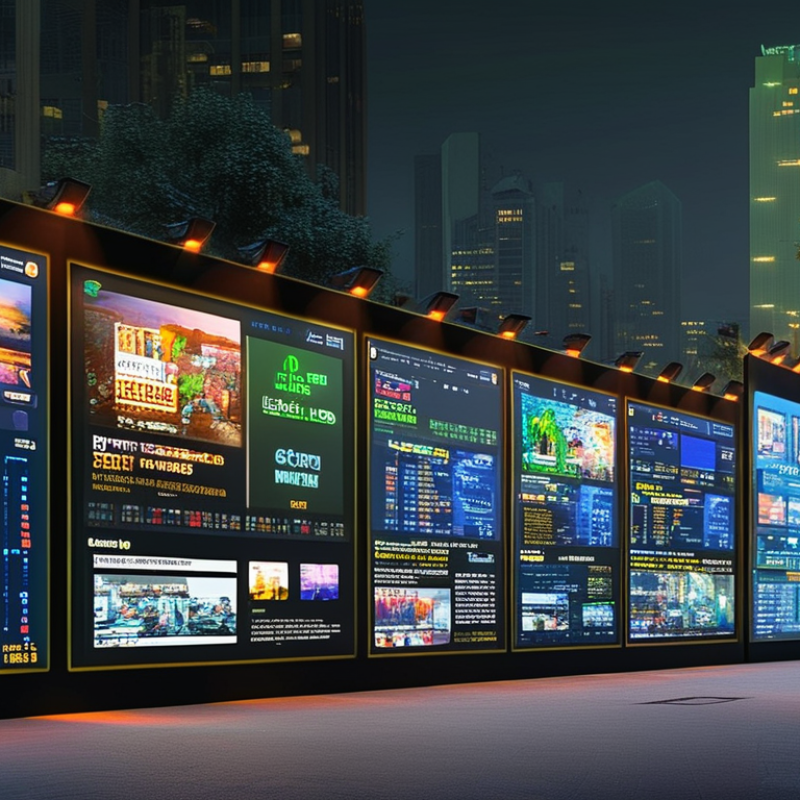
Types of LED Video Panel Walls Available in the Market
LED video panel walls have gained significant traction in recent years. Various types of LED video panel walls are now available in the market, catering to different applications and environments. Understanding these types is crucial for global buyers.
One popular type is the indoor LED video wall. These panels often feature high-resolution displays. They are ideal for events, conferences, and retail environments. Conversely, outdoor LED video walls are designed for durability. They have weather-resistant features, making them suitable for concerts, advertising, and public displays.
Another variant is the flexible LED panel, which allows for creative installations. This type can be shaped to fit unique and varying surfaces. According to a recent industry report, flexible LED panels are projected to grow by 25% annually. However, buyers should be cautious of resolution quality when opting for flexible options.
Tips: Always check the brightness rating. A higher rating ensures visibility in well-lit environments. Additionally, consider the ease of installation. A cumbersome setup can lead to longer project timelines. Regular maintenance is also vital to ensure long-lasting performance, as neglect can lead to unexpected failures.
What is the Best Led Video Panel Wall for Global Buyers?
| Type |
Brightness (nits) |
Resolution (PPI) |
Size (inches) |
Weight (kg) |
Price Range (USD) |
| Indoor LED Panel |
1000 - 1200 |
120 - 160 |
50 - 100 |
30 - 70 |
2000 - 5000 |
| Outdoor LED Panel |
5000 - 7000 |
80 - 120 |
100 - 200 |
70 - 150 |
5000 - 10000 |
| Rental LED Panel |
3000 - 5000 |
100 - 140 |
40 - 120 |
50 - 90 |
3000 - 8000 |
| Curved LED Panel |
3500 - 6000 |
90 - 130 |
60 - 140 |
40 - 80 |
4000 - 9000 |
Key Features to Look for in LED Video Panels
When looking for the best LED video panel wall, several key features stand out.
Brightness is essential, typically measured in nits. A panel with at least
1000 nits suits most indoor environments. For outdoor use, a brightness of
5000 nits is often necessary to combat sunlight. Additionally,
resolution plays a crucial role. A higher pixel pitch results in
sharper images. For events, panels with a pixel pitch of 2.5mm or lower provide
excellent clarity.
Durability is another important consideration. Many LED panels
are rated for up to 100,000 hours of usage. This lifespan is critical for users
planning lengthy installations. Studies show that reliability can significantly affect overall event success.
According to industry reports, 80% of buyers prioritize quality over cost.
Versatility is also vital. Look for panels that can be mounted in various configurations. Flexibility allows for
creative setups and adaptations to different spaces.
Connectivity options should not be overlooked. Numerous formats such as
HDMI, DisplayPort, and even
wireless capabilities are essential. Seamless integration improves user
experience. Lastly, weigh the ease of installation and maintenance.
Some panels require specialized tools. This can lead to increased downtime if maintenance is needed. Understanding
these features will guide global buyers toward making informed decisions in a complex market.
Comparative Analysis of Popular LED Video Panel Brands
When exploring the world of LED video panel brands, it’s crucial to conduct a thorough comparative analysis. Recent industry reports show that market growth for LED displays is projected to reach $25 billion by 2025, indicating strong demand. This suggests that buyers can expect a variety of options suited to diverse needs.
In the competitive landscape, a few key factors always emerge. Brightness levels are crucial; displays should ideally range from 500 to 2000 nits for optimal performance in different environments. Additionally, pixel pitch significantly affects image clarity and viewing distances. A narrower pitch generally provides clearer images but may be costlier. According to recent surveys, approximately 65% of buyers prioritize resolution when selecting a panel. This highlights a need for suppliers to focus on quality standards and not just price.
Despite advancements, there are areas needing improvement. Many brands still struggle with consistency in color reproduction and durability over time. Users often report varied experiences, especially related to outdoor versus indoor use. This inconsistency can lead to buyer frustrations. Reflections on these issues should prompt manufacturers to prioritize quality control. Factors like heat management and weather resistance must be integral to product design. Such considerations can enhance user trust in this rapidly evolving market.
Comparative Analysis of LED Video Panel Brands
Pricing Considerations for Global Buyers of LED Video Walls
When considering pricing for LED video walls, global buyers face numerous factors. The cost of these panels can range widely, often between $500 and $3,000 per square meter. This significant variance is influenced by resolution quality, panel type, and manufacturer reputation. High-resolution options can offer dazzling visuals but often come with a hefty price tag. According to industry reports, the average market growth rate for LED video walls is projected at 18% annually, highlighting their increasing demand.
Alongside price, additional expenses also factor in. Installation costs may add 20% to 30% to the initial price. Maintenance is another consideration; LED panels often require regular check-ups. In regions like North America and Europe, maintenance contracts can average an additional 15% annually. The total cost of ownership often surprises buyers, underscoring the importance of thorough budgeting.
Market trends indicate that buyers are leaning towards modular designs. This shift can lead to eventual cost savings. However, initial investments in these systems can be significant. Some buyers have reported difficulty finding reliable suppliers. Transparency in sourcing materials is often lacking, raising concerns about quality and sustainability. Without thorough knowledge, buyers may face challenges that could impact their purchasing decisions.
Installation and Maintenance Tips for LED Video Panel Walls
When considering LED video panel walls, installation and maintenance are key factors that impact performance and longevity. A well-installed panel can enhance image quality and ensure even brightness. Industry reports indicate that improper installation leads to a 25% increase in maintenance costs over time. To avoid this, it’s vital to follow the manufacturer's guidelines closely, ensuring that each panel is securely mounted and aligned correctly.
Regular maintenance is crucial for optimal performance. Dust accumulation can reduce brightness by up to 20%, making periodic cleaning essential. It's recommended to set a schedule for checks every three months. Additionally, monitor for any pixel failures, as early detection can prevent larger issues. In a study conducted by AVIXA, 30% of users reported dissatisfaction due to delayed maintenance responses. This highlights the need for a proactive approach.
While focusing on installation and maintenance, it's important to reflect on the skills of the personnel involved. Training is often neglected, leaving teams unprepared for various challenges. Investing in ongoing education can significantly enhance the reliability of an LED video panel wall system. With the right approach, the lifespan and effectiveness of these walls can be greatly improved, benefiting global buyers in the long run.
FAQS
: Aim for at least 1000 nits of brightness for indoor environments.
A lower pixel pitch, like 2.5mm, offers sharper images for events.
Many panels last up to 100,000 hours, which is beneficial for long events.
Ensure the panel supports formats like HDMI and DisplayPort for easy integration.
Installation may add 20% to 30% to the initial purchase price.
Reliable panels can significantly contribute to the overall success of an event.
Buyers may struggle with inconsistent quality and limited supplier transparency.
Modular options can save money over time but may have higher initial costs.
Inconsistent color reproduction can lead to frustration during use.
Regular maintenance is necessary and can add 15% to overall yearly costs.
Conclusion
The article "What is the Best Led Video Panel Wall for Global Buyers?" explores various aspects of LED video panel walls available in the market. It begins by detailing the different types of LED video panel walls, emphasizing their unique applications and benefits. Key features to consider when selecting an LED video panel wall include resolution, brightness, and durability, which play a crucial role in determining performance and suitability for specific environments.
Further, the article provides a comparative analysis of popular LED video panel wall brands, helping buyers make informed decisions based on functionality and quality. Pricing considerations are also discussed, giving global buyers insights into budget-friendly options without compromising on quality. Finally, the article concludes with practical installation and maintenance tips, ensuring that consumers can maximize the lifespan and efficiency of their LED video panel walls.

 Hafond Display