As the demand for innovative display solutions soars, the market for Modular LED Panels is booming. Reports indicate that the global LED market is projected to reach $144.8 billion by 2026, with modular designs taking a significant share. Modular LED Panels provide flexibility and scalability that traditional displays lack, making them a preferred choice for businesses and event organizers.
The versatility of these panels allows for unique installations and configurations. They can be used in various sectors, including retail, entertainment, and corporate environments. Their ability to create large, immersive displays while maintaining high resolution is truly impressive. However, despite their advantages, some users still encounter challenges with installation and compatibility. Such issues can detract from the overall experience and must be addressed.
Furthermore, while advancements in technology have improved the quality of Modular LED Panels, not all products are created equal. Buyers should be aware of specifications such as brightness, color accuracy, and operational lifespan. This consideration is crucial to ensure a reliable investment. Evaluating the best options in 2026 will require careful research and attention to detail to navigate the evolving market landscape.
Overview of Modular LED Panels in 2026
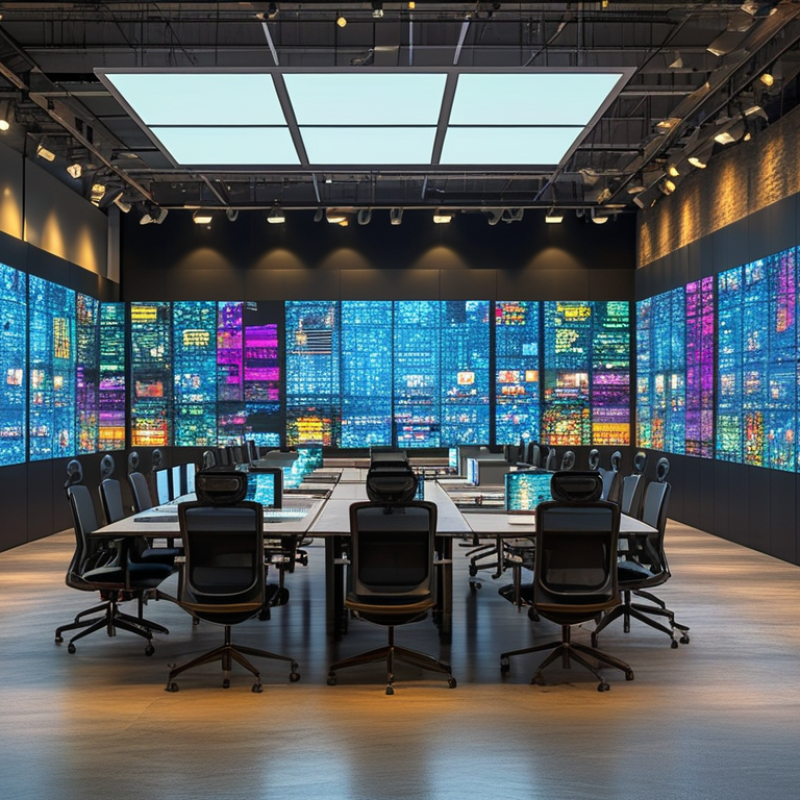
In 2026, modular LED panels are shaping the display industry. These panels offer flexibility and adaptability for various applications. From retail environments to large-scale events, their design allows for easy installation and configuration. This adaptability is essential in fast-paced markets where quick changes are necessary.
The technology behind modular LED panels is impressive. They are often lightweight and energy-efficient, making them a practical choice for businesses. Colors are vibrant, enhancing viewer engagement. Yet, some challenges remain. Issues with pixel density can affect resolution in larger setups. Additionally, the cost of high-quality modular panels can be prohibitive for smaller firms.
Market demand for customized solutions is growing. Users are looking for specific features, such as weather resistance for outdoor use. This trend places pressure on manufacturers to innovate continuously. As the market evolves, staying updated on advancements becomes crucial. However, not all products live up to expectations, and users should approach purchases with care.
Key Features to Consider in Modular LED Panels
When choosing modular LED panels, several key features stand out. Brightness is vital; a higher lumen count ensures visibility in various environments. Look for panels that offer adjustable brightness settings for different settings. Flexibility is also essential; a modular design should allow simple reconfiguration to fit unique spaces. This adaptability can make a significant difference in presentation quality.
Another important factor is resolution. Higher pixel density provides sharper images, especially important for detailed visuals. Users should consider panel size as well. Larger formats can create more impact, while smaller options may suit confined areas better. Heat management plays a role too; efficient thermal solutions can prolong panel life and maintain performance.
Quality of materials used in construction cannot be overlooked. Durable builds will withstand frequent use, but they may come at a higher price. Assessing warranty options is also necessary for peace of mind. Not all warranties are created equal; scrutinizing terms can reveal hidden limitations that may affect your choice.
Best Modular LED Panels for Global Buyers in 2026
This chart displays the key features to consider when selecting modular LED panels, based on various important dimensions such as Brightness (nits), Power Consumption (W/m²), and Lifespan (hours).
Top Manufacturers for Modular LED Panels Worldwide
In 2026, the demand for modular LED panels is projected to grow significantly. This surge is driven by advancements in technology and increasing interest in energy-efficient solutions. Several top manufacturers are leading this innovation. They specialize in creating versatile panels that can be customized to fit various applications, whether in commercial spaces or residential setups.
These manufacturers focus on high-quality materials and cutting-edge design. By prioritizing user experience, they ensure products are not just functional but also aesthetically pleasing. Innovative features like easy installation and adjustable brightness set them apart in the market. However, the competition is fierce. Some companies struggle to maintain consistent quality as they scale production. This inconsistency can affect buyer trust.
The landscape is continually evolving. Each manufacturer brings unique strengths and weaknesses. Customers must do their research. Reviews and case studies can offer valuable insights. Exploring different vendors will help buyers make informed choices. The balance between price and quality remains a common challenge in this dynamic sector.
Comparative Analysis of Modular LED Panels
In 2026, the demand for modular LED panels is expected to surge globally. A recent industry report predicts a market growth of over 15% annually, driven by advancements in technology and increasing applications in diverse sectors. This comparative analysis explores how modular LED panels differ in efficiency, brightness, and ease of installation.
Many modular LED panels offer flexibility in design, making them suitable for both indoor and outdoor settings. For instance, panels with a high pixel density deliver sharper images, enhancing user experience. Studies indicate that panels with advanced heat dissipation technology extend the lifespan, often exceeding 50,000 hours. However, not all products provide the same level of performance, creating challenges for potential buyers.
When selecting a modular LED panel, consider the installation process. Complex setups may require professional assistance, adding to overall costs. Always check the warranty options as they vary significantly. Some manufacturers offer limited coverage, which could lead to unexpected expenses later on.
Evaluate energy consumption as well. Energy-efficient models may have a higher upfront cost but can significantly reduce long-term operational expenses. Lastly, staying updated with market trends will help buyers make informed decisions, ensuring a balance between quality and budget.
Best Modular LED Panels for Global Buyers in 2026
| Panel Size (inches) |
Resolution (pixels) |
Brightness (nits) |
Color Gamut (%) |
Lifetime (hours) |
Power Consumption (W) |
| 24 x 24 |
1920 x 1920 |
800 |
99% |
50000 |
120 |
| 32 x 32 |
2560 x 2560 |
900 |
98% |
60000 |
150 |
| 40 x 40 |
3840 x 3840 |
1000 |
95% |
75000 |
200 |
| 48 x 48 |
4096 x 4096 |
1100 |
97% |
80000 |
250 |
Future Trends in Modular LED Technology
Modular LED technology is poised for significant evolution in 2026. This trend is largely driven by an increasing demand for customizable lighting solutions. In various sectors, including retail, entertainment, and architecture, modular panels are becoming essentials for dynamic visual displays. These panels allow for versatile configurations, enabling businesses to adapt their lighting systems easily. Users can benefit from improved energy efficiency as technology advances further.
Emerging features include smart lighting integration and user-friendly control systems. These advancements aim to enhance customer experiences. However, concerns about compatibility and maintenance remain. Many users express frustration over troubleshooting complex systems. Moreover, the cost of high-quality modular LED panels can be prohibitive for smaller businesses. While the benefits are clear, potential buyers must weigh these factors carefully.
Trends indicate a push towards sustainable materials and processes in modular LED production. Eco-friendly designs resonate with environmentally conscious consumers. Yet, manufacturers face challenges in balancing cost and sustainability. Developing affordable options without compromising quality is crucial. The future of modular LED technology promises innovative solutions but also requires a critical look at these emerging realities.
Conclusion
In 2026, Modular LED Panels have emerged as a versatile solution for diverse lighting needs across various industries. This article provides a comprehensive overview of the advancements in modular LED technology, highlighting key features such as flexibility, energy efficiency, and ease of installation. As buyers navigate the market, understanding these attributes becomes crucial for making informed decisions.
The article further explores the top manufacturers providing modular LED panels globally, assessing the competitive landscape and variations in design and functionality. A comparative analysis delineates the strengths and weaknesses of different products, while also shedding light on future trends like enhanced connectivity and smarter integration with IoT. Overall, modular LED panels are poised to redefine lighting solutions, catering to an increasingly demanding market.

 Hafond Display