In the rapidly advancing world of digital displays, choosing the right Video Wall Display Panels in 2026 has become a crucial decision. Many businesses and organizations rely on these panels for impactful presentations and immersive experiences. However, the sheer variety of options available can be overwhelming. Understanding the key features of these panels is essential.
With advancements in technology, factors like resolution, brightness, and size must be carefully considered. A high-resolution panel can enhance clarity, while superior brightness can make images pop in brightly lit environments. It’s also important to think about the intended use. Are you displaying marketing content, videos, or real-time data? Each application has unique requirements.
Investing in Video Wall Display Panels is not just about aesthetics; it's about effective communication. Some panels may promise excellent performance but may not deliver consistently. Researching brands and reading user reviews can guide your choice. Reflect on your specific needs and limitations. In a saturated market, the decision can feel daunting but is vital for achieving your visual goals.
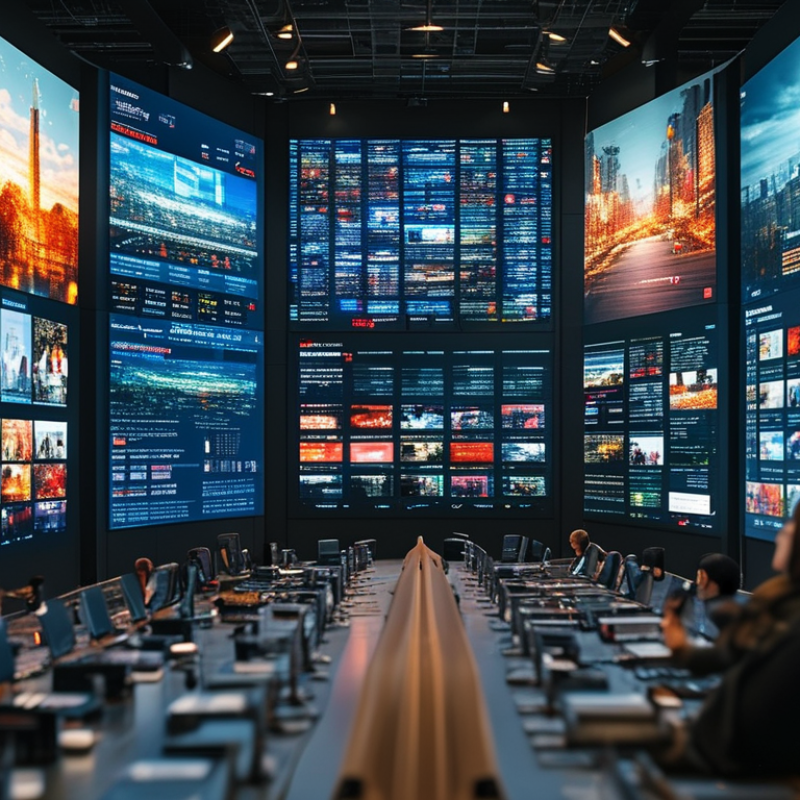
Understanding Video Wall Display Technologies Available in 2026
In 2026, understanding video wall display technologies becomes vital for making informed choices. Key technologies include LED, LCD, and OLED panels, each offering unique benefits.
According to a recent industry report, LED displays dominate the market, boasting a 45% share due to their brightness and energy efficiency. LCD panels, though less popular, provide strong color accuracy for indoor applications. Meanwhile, OLED technology is emerging, praised for its deep blacks and premium visual quality.
When selecting video wall displays, consider the viewing distance. For larger venues, LED is often preferred. In contrast, LCD panels may perform better in smaller, well-lit spaces.
Data from market research suggests that 67% of users prioritize energy consumption, making efficient displays essential for long-term use.
A practical approach is to evaluate your specific needs. Assess the area’s lighting conditions and the type of content you will display. Also, think about maintenance costs over time. Display technology is rapidly evolving, which may lead to frequent changes in preferences. Companies must stay updated on trends to ensure longevity in their investment.
Key Factors to Consider When Choosing Video Wall Display Panels
When selecting video wall display panels in 2026, it's essential to prioritize a few key factors. The resolution of the display plays a crucial role. Higher resolution panels offer clearer images. This is critical in environments like control rooms or retail spaces. A full HD or 4K panel may be necessary for detailed visuals.
Another significant aspect is the size of the panels. Consider the space available and the viewing distance. Larger panels work well for expansive areas, while smaller ones are suitable for intimate settings. The curvature of the screens can enhance viewing angles. This might be overlooked but can impact the viewer’s overall experience.
Moreover, pay attention to panel durability and maintenance requirements. Not all panels are built to last in high-traffic areas. Some may fade or lose brightness over time. Think about the longevity and serviceability of your investment. It’s wise to anticipate challenges and consider how they can impact the overall effectiveness of the display. Consider seeking advice from professionals to guide your choices.
Evaluating Resolution and Picture Quality for Your Display Needs
Evaluating resolution and picture quality is crucial when selecting video wall display panels in 2026. High resolution directly influences the viewer's experience in commercial spaces. According to industry reports, 4K resolution is expected to dominate, comprising over 60% of the market share. This clarity is essential for applications in retail, control rooms, and live events. Yet, the choice of pixel pitch must also be considered. A lower pixel pitch, which measures the distance between pixels, improves image clarity, especially at close viewing distances.
In addition to resolution, picture quality significantly impacts the perceived value of a display panel. Brightness levels and contrast ratios play key roles in how images are rendered. Displays with a brightness over 700 nits are often recommended for well-lit environments. However, one must also recognize that high brightness can lead to color distortion. Balancing brightness with true color representation requires careful analysis. Reports indicate that nearly 45% of decision-makers overlook the importance of color calibration, leading to subpar visual experiences. This often results in greater long-term costs due to adjustments or replacements.
Choosing a display panel goes beyond simple technical specifications. It calls for a thoughtful approach to how a picture engages viewers. Evaluating contrast for different applications, such as digital signage, also helps in making informed decisions. Sometimes, the most expensive panels do not guarantee the best picture quality; therefore, continuous research and testing remain paramount.
Assessing Size and Layout for Optimal Viewing Experience
Choosing the right video wall display panels involves careful consideration of size and layout. In 2026, optimal viewing experiences prioritize audience engagement and content visibility. According to industry reports, displays should cover at least 50% of the viewing area to attract attention effectively. An overly large screen can overwhelm viewers, while a small screen might fail to capture their interest. Understanding the intended audience and the environment is crucial.
When evaluating size, consider the distance from the screen. For a standard viewing distance of 10 feet, a screen size of 75 to 85 inches is recommended. This maintains visibility without causing discomfort. Layout is equally important; a curved or tiled configuration may enhance the experience, depending on space availability. This means that sometimes, a simple solution could be more effective than a complex design.
Incorporating flexible planning can improve outcomes. It allows adjustments based on viewer feedback. Monitor how people interact with your displays. Their preferences can inform future upgrades. The right balance between size, layout, and user engagement can make a significant difference. Design can either enhance or detract from the message being conveyed. Continuous reflection on these elements ensures your video wall remains effective.
Comparing Cost and Maintenance Options for Video Wall Systems
When considering video wall display panels in 2026, cost and maintenance play crucial roles. According to industry reports, the initial investment for high-quality video walls can range from $10,000 to over $100,000, depending on size and technology. This substantial range emphasizes the need for careful budgeting and planning. Maintenance costs can vary widely, averaging between 5% to 15% of the initial cost annually. Ignoring these can lead to unexpected expenses over time.
Regular maintenance extends the lifespan of video wall systems. Establishing a proactive approach will mitigate issues before they escalate. Schedule routine checks to assess the performance of each panel. This can prevent common problems like color inconsistency or pixel failures. Research suggests that timely repairs can improve operational efficiency by up to 30%.
Another aspect to contemplate is the technology used. LED and LCD panels each have unique maintenance requirements. LED panels, while more durable, may necessitate specialized technicians for repairs. Conversely, LCD panels often require more frequent replacements. Understanding these differences helps in making informed decisions. Evaluate the long-term vision and expected usage patterns to select the right system.
FAQS
: Higher resolutions like full HD or 4K are ideal for clear images. They are crucial for details in various environments.
The size of the panels should match the space and viewing distance. Larger panels suit expansive areas; smaller ones fit intimate spaces.
For a 10-foot distance, a screen size of 75 to 85 inches is advisable. This balance maximizes visibility and comfort.
Durability impacts maintenance and service life. Some panels may fade or lose brightness in high-traffic areas over time.
The layout should enhance viewer experience. A curved or tiled design can improve engagement, depending on the available space.
Initial investments range from $10,000 to over $100,000. Maintenance costs typically average 5% to 15% annually, so plan wisely.
Regular maintenance prevents issues like color inconsistencies. Routine checks and timely repairs enhance operational efficiency by up to 30%.
LED panels may require specialized repairs, while LCD panels need more frequent replacements. Understand these needs before choosing.
Audience feedback helps identify preferences. Adjustments can improve engagement and inform upgrades for future installations.
Flexible planning allows for modifications based on viewer interactions. It ensures the design stays relevant and effective over time.
Conclusion
In 2026, selecting the right Video Wall Display Panels is crucial for creating impactful visual presentations. Understanding the various display technologies available, such as LED, LCD, and OLED, is essential for making informed decisions. Key factors to consider include resolution and picture quality, which directly affect the viewer's experience. High resolution ensures crisp visuals, while the appropriate size and layout enhance accessibility and comfort for the audience.
Additionally, it's important to compare the cost and maintenance options for different video wall systems. Analyzing the total cost of ownership and ongoing maintenance needs can help organizations budget effectively for their display solutions. By taking these elements into account, businesses can choose the best Video Wall Display Panels that meet their specific requirements and deliver stunning visual experiences.

 Hafond Display