In the ever-evolving world of film production, "Led Panels For Virtual Production" have emerged as a game changer. These panels enhance creativity and streamline the production process. Having the right panels can transform a scene, creating immersive environments for actors to engage with.
Choosing the top LED panels requires understanding their unique features. Not all panels are created equal. Factors like brightness, color accuracy, and pixel pitch play vital roles. Filmmakers often overlook these details, leading to subpar results.
Yet, the excitement around these panels must be tempered with awareness. As technology advances, so does the complexity of integration. Filmmakers must stay informed to make wise investments. Virtual production can be costly, and proper knowledge is crucial to avoid pitfalls and make the most of this innovative technology.
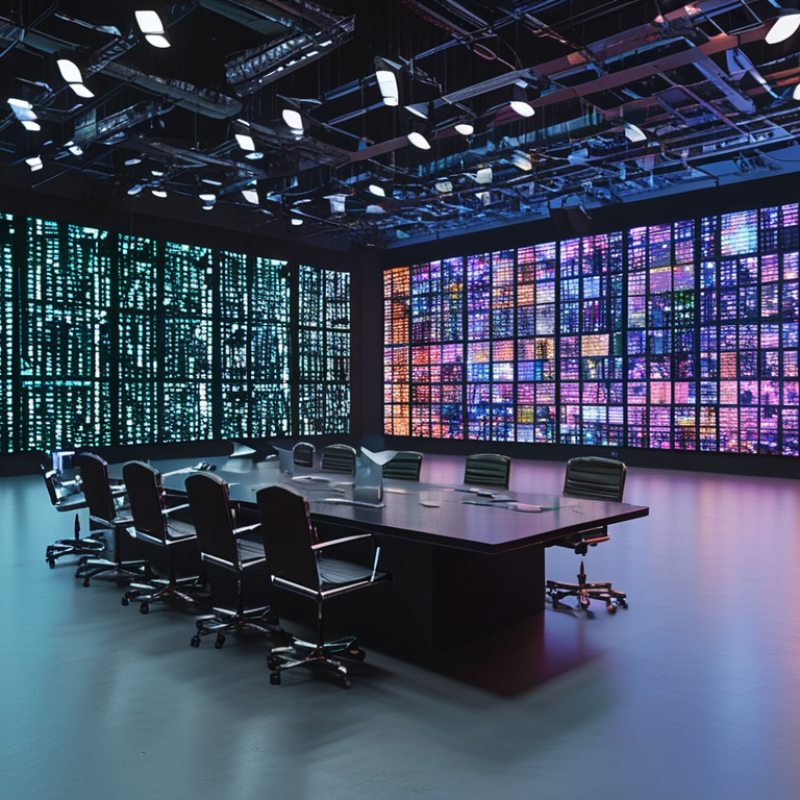
When considering LED panels for virtual production in 2026, several key features stand out.
High resolution tops the list. A resolution of 4K or higher is essential to create realistic backgrounds. This is crucial for maintaining visual detail. Without sharp images, the immersive experience suffers.
Another important aspect is color accuracy. Panels that offer a wide color gamut ensure vibrant, lifelike visuals. When lighting changes, these panels adapt swiftly. They maintain consistency, a vital characteristic for any production.
Brightness is also critical. LED panels need to perform well in various lighting conditions. A high brightness level prevents washed-out images during shoots.
Portability is another factor worth considering. Lightweight designs enhance mobility and ease of setup.
Despite these advancements, challenges remain. Some panels may suffer from motion blur. This can disrupt the smoothness of moving scenes. Additionally, heat generation can be a concern. Overheating may affect performance during long shoots. Producers should remain aware of these potential drawbacks while selecting their equipment.
In the world of virtual production, selecting the right LED panels is critical. Each major brand offers unique features and specifications that cater to various production needs. A recent industry report highlighted that LED panels can directly influence color accuracy, brightness, and energy efficiency. These factors are essential for creating immersive environments.
Comparing the major brands reveals significant differences. Some focus on high refresh rates for dynamic content, while others prioritize resolution and pixel density. The best-performing panels often have a pixel pitch of 1.5mm to 2.5mm, suitable for close-up shots. Additionally, reports show that producers increasingly value modularity and ease of setup, affecting their purchasing decisions. However, not all models deliver on these promises. Beyond specifications, current users express concerns about compatibility with existing systems.
Moreover, pricing remains a crucial factor. A survey noted that around 40% of professionals consider budget constraints when making their choices. While some panels boast impressive specs, the cost may not justify the benefits. This creates a dilemma for productions seeking high quality without going over budget. Balancing performance with affordability continues to challenge industry stakeholders.
The world of virtual production is evolving rapidly. LED panels play a crucial role in this transformation. Recent research from industry experts shows that the LED display market is expected to reach $30 billion by 2026. Innovations in LED technology are creating dynamic virtual environments that were previously unimaginable. These advancements enhance realism and allow for real-time adjustments during filming.
One notable trend is the integration of higher pixel densities. This results in sharper images that immerse viewers in the virtual world. Additionally, advancements in brightness and contrast are making scenes more vibrant. A report from a leading industry analyst highlights that the demand for high-brightness panels is increasing, particularly for outdoor applications. Filmmakers now can use these panels to achieve perfect color representations.
When choosing LED panels for your project, consider brightness levels. Panels with higher luminosity perform better in well-lit environments. Also, pay attention to refresh rates. Higher rates reduce flicker and provide smoother motion. Lastly, evaluate the weight and portability of panels, especially for on-location shoots. Remember, investing in quality technology can significantly enhance your virtual production experience.
Integrating LED panels into virtual production requires careful planning and execution. One must consider the technical specifications of each panel. Factors like brightness, color accuracy, and refresh rate greatly impact the final output. It’s vital to match these specifications to the project requirements. High-quality panels can enhance visual storytelling but can also bring challenges if not properly calibrated.
Effective workflows are essential. Begin with a well-structured design. Establish clear communication between team members to avoid misunderstandings. Spaces should be arranged to maximize the benefits of LED panels. For instance, the position of cameras, lights, and panels should create a harmonious environment. One common mistake is neglecting to test the rig before actual filming, which can lead to unexpected issues during production.
LED technology is constantly evolving. Keeping up with the latest developments can enhance your production's quality. Consider attending workshops or training sessions for up-to-date knowledge. Experimentation is sometimes necessary, as innovative methods can yield better results. However, learning from past mistakes is equally important in evolving your approach.
In recent years, LED panel technology has transformed film and media production. Virtual production now relies heavily on these advancements. The integration of high-resolution LED panels allows for immersive environments that enhance storytelling. Filmmakers can manipulate backgrounds in real-time. This constant evolution offers creative freedom but also poses challenges. Not all studios have the resources to adopt this technology, creating disparities in production quality.
Looking ahead, trends suggest even lighter, more flexible panels. They will be easier to transport and install than current models. Sustainability is gaining traction too. Manufacturers are exploring eco-friendly materials and energy-efficient designs. This could revolutionize the industry. However, the rapid pace of innovation sometimes leads to inconsistent standards. Filmmakers must remain vigilant about quality and reliability while exploring these new products.
Additionally, interactivity is on the rise. Panels that respond to viewer input could change audience engagement dramatically. Yet, this also raises questions about the implications for traditional cinema. How will storytelling adapt? As technology continues to advance, the industry must balance excitement with caution. Each breakthrough offers new opportunities but also new complexities.
| Panel Model | Pixel Pitch (mm) | Brightness (nits) | Color Gamut (%) | Refresh Rate (Hz) | Weight (kg) | Applications |
|---|---|---|---|---|---|---|
| Model A | 1.2 | 1500 | 95% | 240 | 20 | Film Production, Live Events |
| Model B | 1.5 | 2000 | 90% | 120 | 22 | Virtual Sets, Broadcasting |
| Model C | 2.0 | 2500 | 85% | 180 | 25 | Theater Productions, AR/VR |
| Model D | 1.8 | 1800 | 92% | 300 | 19 | Corporate Events, Concerts |
| Model E | 1.0 | 3000 | 97% | 240 | 18 | Film Production, Virtual Reality |
: Focus on brightness, color accuracy, refresh rate, and pixel pitch for the best results.
A smaller pixel pitch, like 1.5mm, is better for close-up shots.
Easier setup saves time and effort during production, making workflows smoother.
Neglecting to test the rig before filming can cause unexpected issues.
Many professionals feel torn between high-quality specs and their budget limitations.
Clear communication prevents misunderstandings and enhances workflow efficiency.
Proper calibration ensures the panels perform as expected and enhance visual storytelling.
Attend workshops and training sessions for the latest knowledge and techniques.
Match specifications to the project needs for optimal visual outcomes.
Reflect on past mistakes and be open to experimentation for better results.
In 2026, LED panels for virtual production are expected to significantly enhance the filmmaking process through their advanced features and technological innovations. Key aspects include improved brightness and color accuracy, which create more immersive environments for both filmmakers and audiences. As various brands compete in this space, a comparison of their offerings reveals a focus on high-resolution displays and versatility in different production settings.
Moreover, integrating LED panels into virtual production workflows involves adopting best practices that optimize their utility, such as strategic placement and synchronization with camera movements. The future trends indicate a growing emphasis on sustainability and efficiency, ensuring that LED panels not only meet the needs of modern media production but also align with industry standards for environmental responsibility. Overall, LED panels for virtual production are set to revolutionize how visual storytelling is achieved in the film and media landscape.

Hafond Display