Top 10 Types of Outdoor LED Video Panels for Buyers?

Time:2026-10-21 Author:Oliver
0%

Choosing an Outdoor Led Video Panel is not simply a brightness contest. Buyers must compare pixel pitch, weather protection, viewing distance, service access, power use, and installation conditions. A stadium fascia needs different engineering from a roadside billboard. Small details matter, especially drainage channels, locking systems, cooling paths, and front-service modules.

MarketsandMarkets’ LED Display Market report projects growth from approximately $7.4 billion in 2023 to $10.8 billion by 2028. That expansion reflects stronger demand across sports venues, retail spaces, transport hubs, and outdoor advertising. However, market growth does not guarantee product quality. Specifications can look impressive while real-world performance remains uncertain.

Industry consultant Alan Brawn captures this concern clearly: “The display is only one part of the viewer experience.” His point deserves attention. Content, placement, ambient light, camera scanning, and maintenance can change the result dramatically. This guide examines ten major outdoor panel types, including rental cabinets, fixed-installation systems, transparent displays, creative-shaped panels, and high-brightness billboards. Each category has useful strengths and uncomfortable compromises. Some panels deliver excellent brightness but consume more power. Others simplify maintenance but limit creative flexibility. No ranking is perfect. Buyers should still request samples, inspect test reports, and evaluate a full-size panel outdoors before signing a purchase agreement.
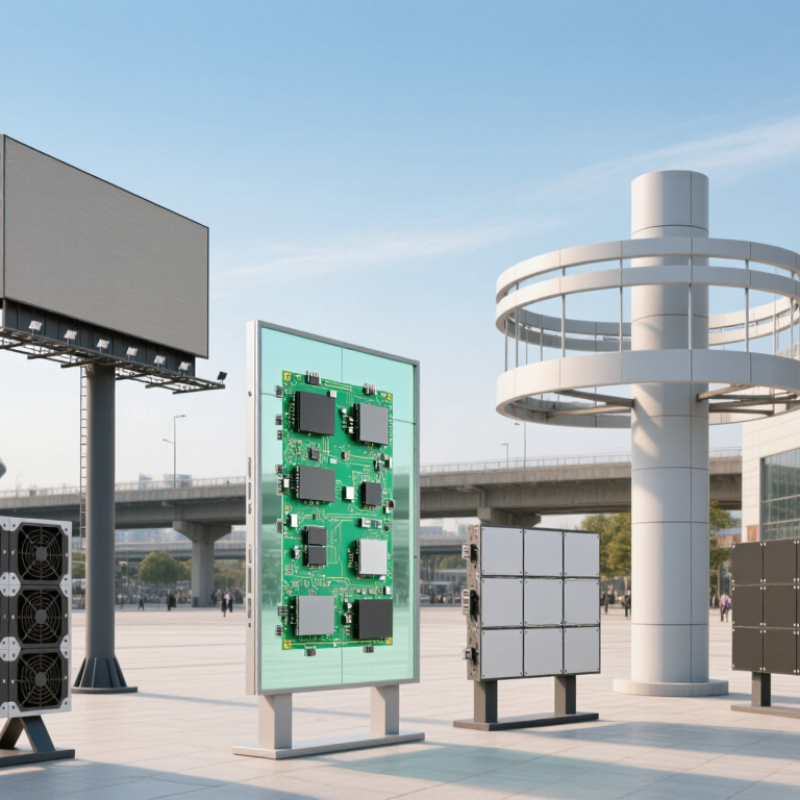
Top 10 Types of Outdoor LED Video Panels for Buyers?

Outdoor LED Video Panels: Key Features Buyers Should Understand

Outdoor LED video panels come in fixed, rental, perimeter, mobile, transparent, curved, and creative-format designs. Their features matter more than their labels. Measure viewing distance, sunlight exposure, wind, rain, and available power before choosing a panel. High brightness improves daytime visibility, but excessive output wastes energy and can appear harsh at night. Look for a suitable ingress protection rating, sealed connectors, drainage paths, and corrosion-resistant cabinet materials. Pixel pitch should match viewing distance. Fine pitch suits close audiences, while wider pitch often serves roadside displays. I have seen buyers choose resolution before checking mounting conditions. That order creates expensive compromises.

Refresh rate matters when cameras film the display. A higher rate can reduce visible scan lines and flicker. Grayscale performance also affects dark scenes after sunset. Ask for brightness control, ambient-light sensors, and consistent color calibration across cabinets. Request real test footage, not only showroom images. Check thermal management, fan noise, service access, spare modules, and cable replacement procedures. Outdoor panels endure heat, dust, vibration, and sudden temperature changes. Weak maintenance planning becomes obvious quickly.

Review controller compatibility, signal distance, monitoring alerts, and backup power behavior. Confirm the panel can report failed modules before viewers notice them. Installation teams should verify structural loads and grounding with qualified professionals. Product specifications may omit power consumption at full white, which matters during bright content. I also question claims based on ideal laboratory conditions. Weather is less polite. A small compromise in brightness or cabinet weight may improve reliability, but buyers should test that tradeoff on site.

The 10 Main Types of Outdoor LED Video Panels

Top 10 Types of Outdoor LED Video Panels for Buyers

The 10 Main Types of Outdoor LED Video Panels cover different viewing distances, structures, and installation needs. These categories overlap, so buyers should compare performance, not labels alone. Standard-pitch billboard panels suit highways and large façades. Fine-pitch outdoor panels support closer viewing in plazas. High-brightness SMD panels deliver detailed images under direct sunlight. DIP panels offer strong contrast and durability in harsh environments. Transparent LED panels preserve window visibility. Mesh or open-frame panels reduce wind load on tall buildings.

Perimeter sports panels are built for impact protection and continuous replay. Rental and staging panels use lighter frames for temporary events. Mobile trailer panels combine screens, power, and transport in one unit. Curved or flexible panels fit columns, arches, and irregular façades. They look impressive, but installation tolerances can become difficult. Small errors show quickly on curved surfaces.

Grand View Research valued the global LED display market at approximately USD 8.3 billion in 2023, with projected growth through 2030. The report also identifies advertising and sports as important demand areas. Buyers should check brightness, pixel pitch, refresh rate, viewing angle, and IP rating together. Outdoor cabinets commonly target IP65 protection, but sealing quality still depends on installation. A specification sheet can hide weak maintenance access. That matters. Site surveys, spare-module planning, and heat testing provide stronger evidence than attractive images. My practical concern is simple: the brightest panel is not always the best panel. It may consume more power and appear harsh at night.

How Outdoor LED Panels Differ in Performance and Design

Outdoor LED video panels differ most in brightness, weather protection, pixel pitch, and cabinet design. A fixed-installation panel may use heavy aluminum cabinets, while rental panels prioritize lighter frames and faster service access. Mesh panels reduce wind load, but their open structure can weaken contrast. Transparent panels preserve window visibility, although daylight images may appear less saturated.

Brightness claims need careful reading. Professional outdoor displays commonly range from 4,000 to 10,000 nits, depending on sunlight and viewing distance. Higher brightness is not automatically better. It can increase power use and create uncomfortable glare at night. MarketsandMarkets’ 2024 LED Display Market report projects the sector to grow from about 7.5 billion dollars in 2023 to 11.7 billion dollars by 2028. That growth reflects wider adoption, but it does not guarantee equal panel quality. Buyers should request measured brightness, refresh rate, and power data, not only marketing figures.

Weather resistance also separates designs. IEC 60529 IP65 protection blocks dust and water jets, while IP67 adds temporary immersion protection. Cabinet seals, drainage paths, conformal coating, and corrosion-resistant hardware matter in real installations. Fine-pitch panels deliver sharper close-up images, but they usually cost more and may need tighter maintenance control. Large-pitch panels can perform better beside highways, where viewing distances are longer. Outdoor LED panels are rarely perfect. A small color shift, loose module, or poor service gap can become obvious after months outdoors. Testing one cabinet under direct sun and rain is still wiser than trusting a specification sheet.

Choosing the Right Panel Type for Location and Application

Top 10 Types of Outdoor LED Video Panels for Buyers

Choosing the right panel begins with the location, not the pixel pitch. A roadside billboard needs high-brightness, fixed-installation panels with strong glare control. A concert stage usually benefits from lightweight rental panels, fast locks, and front access. Perimeter panels suit sports venues, while transparent, mesh, curved, mobile, fine-pitch, energy-saving, waterproof, and creative-shaped panels serve more specific applications. Each type solves a different visibility or installation problem.

Grand View Research estimated the global LED display market at approximately USD 7.1 billion in 2023, with continued growth projected through 2030. That expansion reflects broader outdoor advertising and event-screen demand, but market growth does not make every panel suitable. For exposed sites, verify the enclosure rating under IEC 60529. IP65 is commonly preferred for the display face, while the rear structure may need separate protection. Check brightness in real sunlight, not only in a showroom.

Viewing distance remains decisive. A fine-pitch panel may look impressive, but it can increase cost, heat, and maintenance demands. The U.S. Department of Energy’s 2023 solid-state lighting research priorities also emphasize efficiency and thermal management. I have seen buyers overlook service access beside a busy road. That mistake becomes expensive. Measure the mounting height, cable route, wind exposure, ambient temperature, and daily viewing angle before selecting the panel. A perfect specification sheet can still fail on site.

Buyer Checklist for Comparing Outdoor LED Video Panels

Outdoor LED Video Panels: Buyer Checklist for Comparing the Top 10 Types

Outdoor LED panels include fixed-installation, rental, mobile, curved, transparent, mesh, perimeter, fine-pitch, high-brightness, and rugged weatherproof models. Each type serves a different site. A sports perimeter screen needs impact resistance. A roadside display needs strong daylight contrast. A concert panel needs quick assembly and lighter cabinets. Do not compare panel types by pixel pitch alone.

Start with brightness, viewing distance, refresh rate, cabinet weight, and maintenance access. Outdoor brightness commonly ranges from 5,000 to 10,000 nits, but excessive output can waste energy and reduce viewing comfort. Check the measured value, not only the advertised maximum. Look for an IP65 or higher front rating under IEC 60529. The rear rating matters too. Weather wins.

The U.S. Department of Energy’s Solid-State Lighting report documents rapid progress in LED efficacy, with laboratory performance exceeding 200 lumens per watt. This supports efficient designs, but total power still depends on brightness, cabinet ventilation, and content. AVIXA’s 2024 IOTA report forecasts the professional audiovisual market to reach about 422 billion dollars by 2028, increasing pressure for reliable, serviceable systems. Ask for thermal test records, calibration data, spare-part availability, and a clear warranty. I once treated brightness as the main answer. It was not. Site measurements may reveal that a lower-brightness, higher-contrast panel performs better.

FAQS

How should buyers choose the right outdoor LED panel type?

Match the panel to the site, viewing distance, weather, and installation method. Roadside screens need daylight contrast. Sports screens need impact protection. Rental panels need lighter frames and quick assembly. Labels overlap, so performance matters more.

What brightness level is suitable for outdoor LED displays?

Many outdoor panels range from 5,000 to 10,000 nits. Measure actual brightness, not only the advertised maximum. Excessive output wastes energy and may look harsh at night. Test the screen under real sunlight.

How does pixel pitch affect viewing quality?

Fine pixel pitch suits close audiences in plazas or entrances. Wider pitch often works for highways and large façades. Measure viewing distance before choosing resolution. I once reversed that order. It created an expensive compromise.

Which weather protection features should buyers inspect?

Look for suitable front and rear ingress protection ratings. Check sealed connectors, drainage paths, and corrosion-resistant cabinets. Installation quality still matters. Weather wins.

Why are refresh rate and grayscale important?

A higher refresh rate can reduce scan lines and flicker on camera. Good grayscale preserves dark details after sunset. Ask for real camera footage and nighttime scenes. Showroom images can hide weaknesses.

How can buyers compare energy use accurately?

Request power consumption during full-white content, not only average use. Brightness, ventilation, and displayed content change total demand. A slightly dimmer panel may perform better and consume less power. I remain unconvinced by ideal laboratory claims.

What maintenance details should be checked before purchase?

Inspect service access, spare modules, fan noise, and cable replacement procedures. Ask whether failed modules trigger monitoring alerts. Technicians should reach the cabinet without dismantling nearby structures. Small delays become costly.

What installation checks are essential for outdoor LED panels?

Qualified professionals should verify structural loads, grounding, wind exposure, and available power. Check cabinet weight and mounting tolerances, especially for curved designs. A site survey may expose problems earlier. Test it outdoors.

Conclusion

Outdoor LED Video Panel systems come in many forms, each designed for a different outdoor communication need. The ten main types include fixed-installation displays, rental and staging panels, mobile units, perimeter screens, digital billboard panels, mesh or transparent panels, curved panels, flexible panels, high-brightness signage panels, and modular cabinets. Buyers should understand key features such as weather resistance, brightness, pixel pitch, viewing distance, refresh rate, contrast, cabinet size, heat management, and maintenance access. These factors directly affect image quality, durability, energy use, and installation requirements.

Performance and design can vary significantly between panel types. A permanent venue may require a robust, easy-to-service structure, while an event organizer may prioritize lightweight cabinets, fast assembly, and transportation convenience. When comparing an Outdoor Led Video Panel, buyers should consider the location, audience distance, content style, viewing angles, climate, mounting method, control system, warranty, spare parts, and total operating cost. A careful checklist helps ensure the selected display delivers reliable performance and long-term value.


Oliver

Oliver

Oliver is a seasoned marketing professional with a wealth of expertise in driving brand awareness and engagement. With a deep understanding of our company's product offerings, he consistently delivers high-quality content that enriches our professional blog. His insights not only shed light on......