When considering a Touch Screen Led Wall, expert insights can guide your purchase decision. Dr. Sarah Blake, a renowned specialist in display technology, notes, "Investing wisely in a Touch Screen Led Wall enhances engagement and interactivity." This highlights the importance of selecting the right features and specifications tailored to your needs.
Today's market offers numerous options, making it crucial to evaluate each choice carefully. A high-quality Touch Screen Led Wall can significantly improve user interaction, especially in educational and corporate settings. Factors such as resolution, touch sensitivity, and durability should not be overlooked. You want a device that performs consistently well.
However, buyers often face challenges, from unclear specifications to overwhelming marketing claims. It is essential to conduct thorough research and seek expert advice when necessary. Reflecting on your specific requirements and environment can lead to a more informed choice. Familiarizing yourself with technical details ensures a better fit for your intended application, ultimately maximizing the value of your investment in a Touch Screen Led Wall.
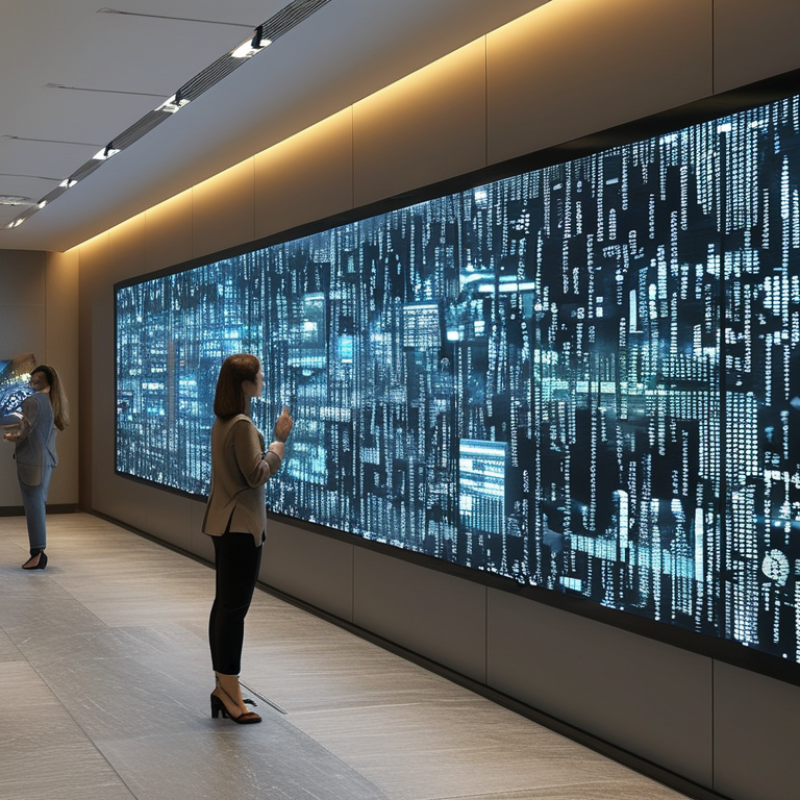
Understanding the Basics of Touch Screen LED Walls
Touch screen LED walls have transformed visual communication. These interactive displays allow for more engaging presentations. Reports indicate that the global market for touch screen displays is projected to reach $24 billion by 2025, growing at a significant pace. This shift highlights their increasing importance in various sectors, from education to retail.
When considering a purchase, understanding the specifications is crucial. Typical resolutions range from HD to 4K, affecting clarity and detail. A higher pixel density offers a better user experience. Additionally, brightness levels, measured in nits, should be suitable for the intended environment. A venue with abundant natural light needs displays with over 1000 nits to ensure visibility.
Installation is another important factor. Depending on your setting, you may need wall-mounted or freestanding options. The usability should also not be overlooked; user-friendly interfaces often lead to increased interaction rates. However, a complex system may hinder engagement due to frustration. Buyers must balance advanced features with ease of use to achieve the best results.
Key Factors to Consider When Buying Touch Screen LED Walls
When buying a touch screen LED wall, understanding specific factors is crucial.
Screen resolution is paramount. A high resolution ensures clarity, making images and text sharp.
This is especially important for presentations or displays in crowded areas. A pixel pitch of 2mm might provide a clearer image for close viewing.
Another key factor is touchscreen technology. There are different types, such as capacitive and resistive.
Capacitive screens are sensitive and offer multi-touch functionality. They are generally more responsive but can be prone to issues in bright environments.
Consider your usage scenario to choose the appropriate type.
Don’t overlook installation and maintenance. The weight and size might complicate installation.
Also, check if the seller offers support post-purchase. Regular updates and technical assistance can boost the effectiveness of your investment.
Buying a touch screen LED wall is not just about the purchase price; think about longevity and usability.
Make informed choices based on your specific needs.
Comparing Different Types of Touch Screen LED Walls
When considering touch screen LED walls, understanding the different types available is crucial. There are primarily three categories: capacitive, resistive, and infrared screens. Capacitive screens are known for their sensitivity and clarity. They respond well to light touches, making them ideal for interactive displays. According to a report by MarketsandMarkets, the global touch screen market is projected to grow by over 15% annually, reflecting a rising demand for these technologies.
On the other hand, resistive screens are often more cost-effective. They require pressure to register touch, which makes them durable in high-traffic areas. This durability adds a layer of complexity in user experience, as they might not always deliver the same responsiveness as capacitive screens. Infrared touch screens are less common but known for their robustness and ability to detect multiple touches. They are useful in settings where hygiene is key, as they do not involve any direct physical contact with the surface.
Tip: Evaluate the environment where the touch screen LED wall will be used. Look for screens with protective features if used in public spaces. Consider the intended audience as well. Different technology may suit different age groups or user needs. Always test the screens firsthand before making a purchase to gauge responsiveness and user experience.
Evaluating Supplier Credibility and After-Sales Support
When purchasing touch screen LED walls, evaluating supplier credibility is crucial. Many global buyers overlook this step. According to recent industry reports, around 40% of businesses faced issues due to unreliable suppliers. A solid vetting process can mitigate risks. Look for suppliers with a proven track record. Check for industry certifications and client testimonials that show their reliability.
After-sales support is equally important. A study showed that about 30% of companies experienced difficulties with support and maintenance after purchase. Suppliers should offer comprehensive after-sales service, including installation guidance and warranty options. Ideally, they should have a dedicated support team accessible through multiple channels. This ensures you can resolve issues quickly and efficiently, minimizing downtime.
It's not uncommon for buyers to prioritize price over credibility. This can lead to regret when products fail or support is inadequate. Taking time to research suppliers can save costs in the long run. Remember, a low price may come with hidden issues. Investing in a trustworthy supplier offers peace of mind and enhances your operational efficiency.
Budgeting and Cost Considerations for Global Buyers
When purchasing a touch screen LED wall, budgeting is crucial. A recent industry report indicates that the global touch screen market is projected to reach over $30 billion by 2025. This growth reflects rising demand for high-quality displays across various sectors. However, the cost of touch screen LED walls can vary widely based on size, resolution, and technology. You could expect to pay anywhere from $1,000 to $20,000. This range can be daunting for global buyers.
Investing in touch screen technology requires careful financial planning. Consider hidden costs like installation, maintenance, and software licensing. Reports suggest that ongoing support can add up to 20% of the initial investment. Additionally, exploring bulk purchasing or leasing options can provide financial flexibility. Reflect on your specific needs and how they align with the budget. A common mistake is underestimating long-term expenses.
Identifying reliable suppliers is another critical aspect. Research thoroughly to ensure you make informed decisions. Look for vendors with strong track records and customer reviews. While cheaper options may be tempting, they often lack quality and longevity. Investing in reputable products can save costs over time. Balancing price and performance is vital for long-term satisfaction and efficiency in your touch screen LED wall investment.
Touch Screen LED Wall Cost Comparison
FAQS
: They are used for engaging presentations in sectors like education and retail.
Specifications affect clarity, detail, and overall user experience of the display.
Displays need over 1000 nits to ensure visibility in areas with abundant natural light.
The main types are capacitive, resistive, and infrared screens, each with unique features.
Capacitive screens are more responsive to light touches; resistive screens need pressure to work.
Reliability in suppliers can prevent future issues. Many buyers face problems with untrustworthy vendors.
Comprehensive support includes installation help and easy access to assistance for issues.
Prioritizing price may lead to regrets if the product quality or support is lacking.
Consider using resistive screens for their durability, despite potential usability drawbacks.
Testing screens before purchase helps assess responsiveness and user-friendly interface issues.
Conclusion
When considering the purchase of a Touch Screen LED Wall, it is essential to understand its fundamental aspects, including technology, resolution, and display size. Key factors to evaluate include the intended use, environment, and user interactivity, which can affect the performance and effectiveness of the LED wall. Buyers must also compare different types and configurations to find the most suitable options for their specific needs.
Furthermore, assessing supplier credibility and the level of after-sales support offered is crucial for ensuring a smooth ownership experience. It can greatly impact long-term satisfaction and maintenance of the Touch Screen LED Wall. Lastly, budgeting for both initial costs and ongoing expenses, such as installation and potential repairs, is vital for global buyers to make informed purchasing decisions. By considering these elements, buyers can navigate the complexities of acquiring a Touch Screen LED Wall effectively.

 Hafond Display