Why Is LED Wall Panel Price So Different? The answer begins with what buyers cannot see in a product photograph. An LED wall panel may look similar across supplier websites, yet its cabinet material, pixel pitch, brightness, refresh rate, receiving cards, and thermal design can vary sharply. A rental panel for touring events faces different demands from a fine-pitch indoor display in a boardroom. Weather sealing matters outdoors. Viewing distance matters everywhere.
Richard Hill, an LED display systems consultant, explains, “The panel is only one part of the display; reliability is built into the complete system.” That observation changes how we evaluate Led Wall Panel Price. A low quotation may exclude spare modules, calibration, control software, mounting structures, freight, installation, or long-term technical support. The number looks attractive. The project may not be.
Quality has a cost.
In my experience reviewing display specifications, buyers often compare cabinet prices before checking maintenance access and warranty conditions. That is an understandable mistake, but still a costly one. Two panels with the same P2.5 label can produce different results under strong lighting, during camera recording, or after months of continuous operation. Brightness can also become a hidden trade-off. Higher output may increase energy use and heat.
This guide examines the practical reasons behind Led Wall Panel Price differences. It considers materials, manufacturing quality, pixel technology, application requirements, logistics, service, and total ownership cost. Some pricing claims sound convincing. They deserve questions, not instant trust. A cheaper panel is not automatically poor, and an expensive panel is not automatically dependable. The real comparison begins when specifications meet the actual venue.
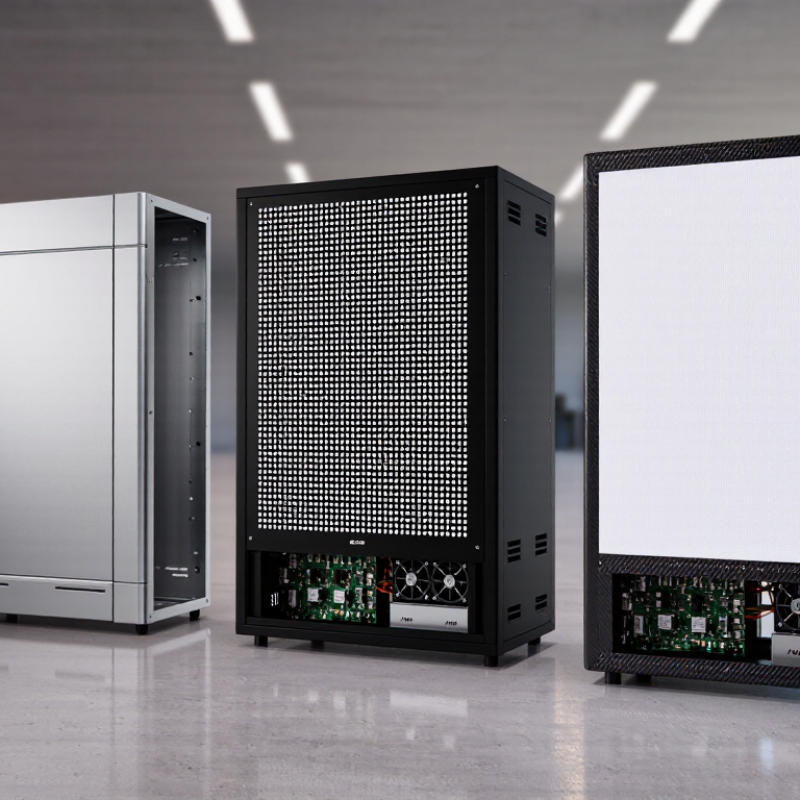
An LED wall panel is a modular display cabinet made from light-emitting diode pixels, receiving video through control hardware. Its price is not based on screen size alone. Pixel pitch matters most. A 1.5 mm panel packs more pixels into each square meter than a 4 mm panel. This increases LED density, manufacturing complexity, and cost. MarketsandMarkets reported continued growth in the global LED display market, driven by indoor corporate, retail, and event applications. Demand is rising, but specifications still create wide price gaps.
Brightness, refresh rate, cabinet material, waterproofing, and service access also shape the quotation. A fixed outdoor panel may need higher brightness and stronger protection than an indoor conference display.
The price structure usually includes modules, cabinets, power supplies, receiving cards, processors, steelwork, installation, testing, and maintenance. A 2024 report from Grand View Research identified application, resolution, and installation environment as important market segmentation factors.
Quoted prices can still be misleading. Some estimates exclude spare modules, calibration, or replacement labor.
Tips: Compare complete systems, not only price per square meter. Request pixel pitch, brightness, refresh rate, cabinet protection rating, warranty scope, and power consumption in writing. Check viewing distance on site. A cheaper panel may look acceptable on paper but appear coarse at close range. The first estimate is rarely complete. Recheck cable lengths and structural work before approval. Modest planning errors can become expensive corrections.
Pixel pitch is the distance between two LED pixels, measured in millimeters. Smaller pitch means denser pixels and sharper close-up images. P1.2 places pixels much closer together than P10.
P1.2 contains far more pixels than P10 across the same screen area. It requires smaller LED packages, finer circuit boards, better calibration, and stronger processing hardware. Higher density raises manufacturing and service costs.
P1.2 often suits viewers about 1.2 meters away. P2.5 commonly works near 2.5 meters. P5 may need roughly 5 meters, while P10 can require about 10 meters. Distance matters.
No. It is only a planning guide. Content detail, brightness, scan rate, and viewing angles can change the result. A detailed control-room image may reveal flaws that a distant showroom hides.
Yes. P1.2 may look impressive, but it can be unnecessary when viewers stand eight meters away. A larger pitch might deliver suitable clarity at a lower cost. The decision can still feel uncertain.
Installation may require steel structures, lifting equipment, processors, power distribution, and trained technicians. High-resolution walls also need careful cabinet alignment. Small errors show.
Calibration adjusts brightness, color temperature, grayscale, and module uniformity. Without it, adjacent panels may display different skin tones. Bright stage lighting can make small mismatches obvious.
Maintenance includes spare modules, cleaning, remote monitoring, access equipment, and technician visits. A low-priced panel may cost more if replacement access is difficult. Cheap is not always cheap.
Consider a 100-square-meter wall using 600 watts per square meter at peak output. At 30% average brightness and eight hours daily, electricity may approach $6,500 annually at $0.15 per kilowatt-hour. Actual use varies.
Check pixel pitch, viewing distance, installation access, calibration time, power use, spare modules, and service arrangements. Do not compare panel prices alone. Real venues are rarely as clean as spreadsheets.
LED Wall Panel Price varies because it reflects more than the size of the display. Key factors include pixel pitch, brightness, refresh rate, materials, protection, lifespan, and technical performance. Fine pitches such as P1.2 deliver sharper images for close viewing but require more components and precise manufacturing than larger pitches such as P10. Similarly, brightness levels of 3,000–6,000 nits and refresh rates around 3,840 Hz increase visibility, smoothness, and production costs, especially for outdoor or high-performance applications.
The choice between SMD and COB technology also affects durability, image quality, and maintenance needs. Features such as IP65 protection and a rated life of up to 100,000 hours may raise the initial investment while improving reliability. In addition, the final cost includes installation, structural support, calibration, spare parts, maintenance, energy use, and system management. Evaluating total cost of ownership, rather than comparing only the purchase price, helps buyers select an LED wall panel that fits both their viewing environment and long-term budget.

 Hafond Display