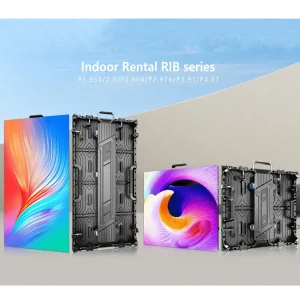
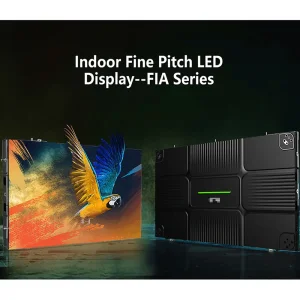
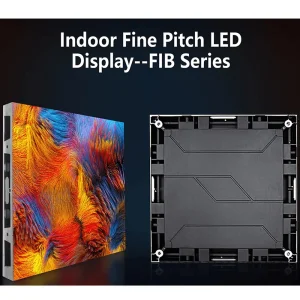
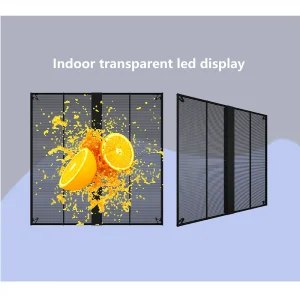
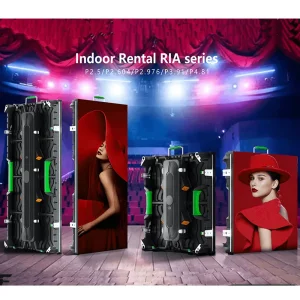
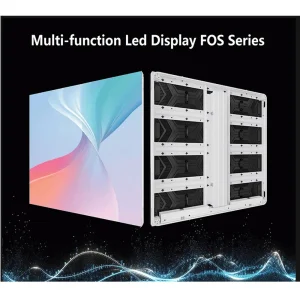
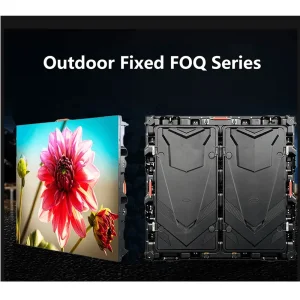
Explore our elite range of fixed installation modules and display systems engineered for absolute visual performance and longevity.
In the digital age, visual mediums serve as the key interface between companies and their audiences. High-definition LED screens are no longer just displays; they represent strategic communication platforms. For system integrators, AV consultants, and corporate buyers, choosing the right indoor fixed LED display manufacturer is a vital decision that affects brand perception, technological value, and operational costs over a decade-long lifecycle.
SEO Insight & Information Gain: Unlike basic display screens, modern indoor fixed LED displays use advanced chip-on-board (COB) technologies, fine-pitch layouts, high refresh rates (up to 3840Hz or 7680Hz), and energy-saving designs. Choosing the right design requires looking beyond basic product specs to examine structural alignment, heat management, and driver chip performance.
To help you navigate this complex technology, this guide outlines technical considerations, sourcing tips, and regional advantages, giving global enterprises the knowledge needed to make informed purchasing decisions.
Founded in 2014, HAFOND CO., LTD specializes in the design and manufacturing of high-quality indoor and outdoor LED display solutions. Throughout the years, we’ve dedicated ourselves to becoming a trusted name in the LED display market, known for our commitment to technology and customer service.
At HAFOND, we understand the importance of constant innovation in the ever-evolving world of LED displays. Our focus on research and development has allowed us to offer a wide array of products that cater to diverse visual display needs across the globe.
With our products now available in numerous countries and regions, HAFOND CO., LTD prides itself on building lasting relationships with clients, prioritizing their needs, and ensuring their satisfaction with every project. We are not just another LED display provider; we are a partner committed to adding value to your business.
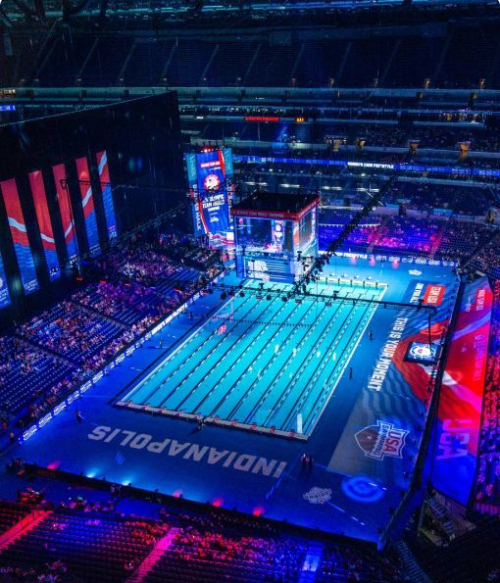
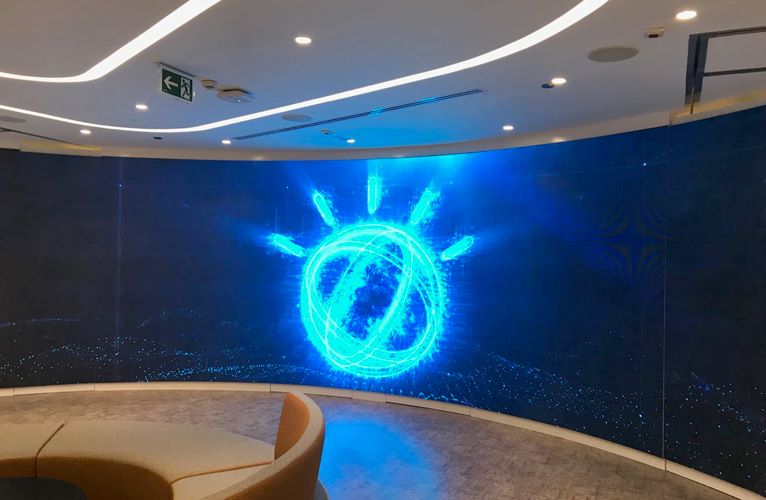
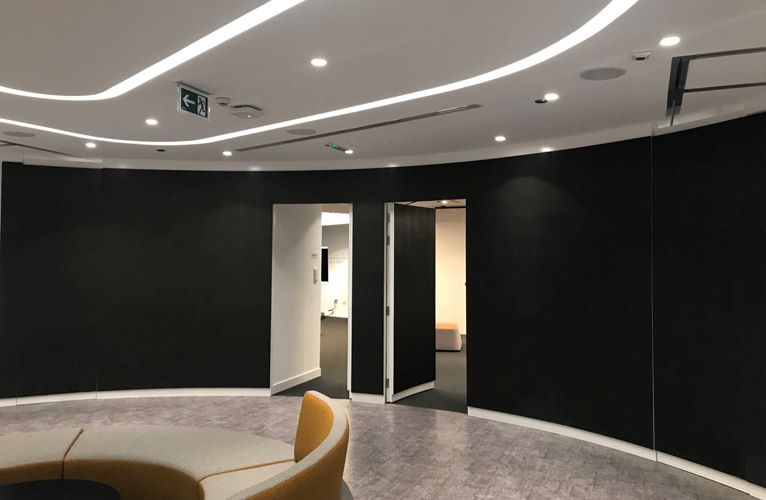
A showcase of global installations across control rooms, digital signage networks, and live entertainment stages.
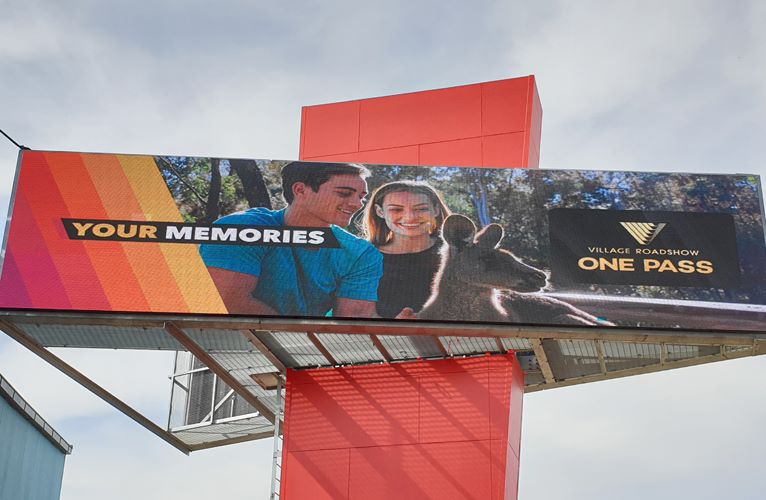
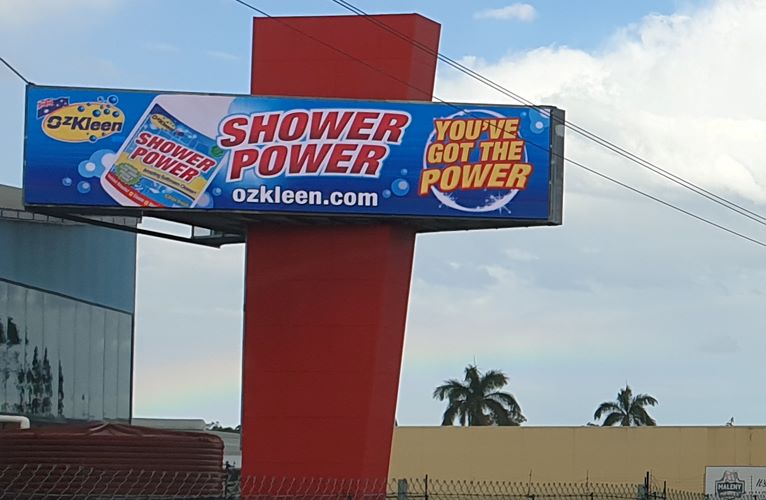
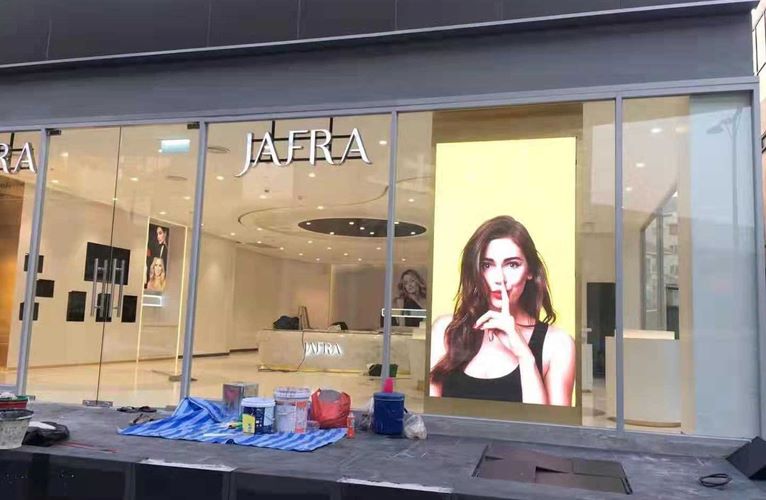
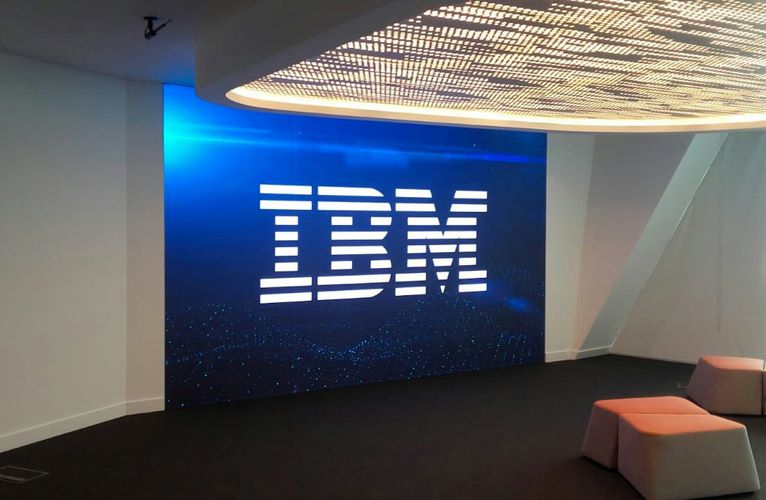
Why the global LED industry is centered in China, and how it benefits international procurement agents.
Southern China, particularly Shenzhen, serves as the global manufacturing hub for LED technology. This cluster contains raw material providers, substrate manufacturers, IC packaging firms, and assembly plants. Because components travel short distances, lead times are shorter, testing is fast, and component costs are reduced.
Leading Chinese LED display factories utilize fully automated surface mount technology (SMT) lines. Modern placement systems handle high-density fine-pitch components (like P0.9 and P1.2) with sub-micron precision, reducing failure rates to less than 10 PPM (parts per million) and improving yield.
High production volumes allow local manufacturers to secure key components—such as gold-wire LEDs, multi-layered PCBs, and high-end driver ICs (like Macroblock)—at lower rates. This cost advantage allows brands like HAFOND to supply high-performance products at competitive prices.
The indoor fixed LED landscape is evolving rapidly. Buyers must align their current projects with technology roadmaps to avoid early obsolescence. Key industry trends include:
Traditional Surface Mounted Device (SMD) technology packages three color diodes (RGB) into a single subpixel soldered to the board. In contrast, Chip-on-Board (COB) technology mounts LEDs directly onto the PCB, covering them with a protective epoxy dome. This design improves physical durability, thermal management, contrast ratios, and reduces dead-pixel rates, making it suitable for high-traffic environments.
For SMD-based displays, GOB technology adds a transparent optical glue layer across the screen face. This layer provides water, dust, and impact protection, safeguarding the delicate sub-pixels from damage during cleaning and daily operations.
Conventional LED displays use a Common Anode system where power is supplied uniformly to red, green, and blue diodes. The Common Cathode design distributes voltage separately based on each color's requirement (e.g., lower voltage for red LEDs). This method reduces thermal load, limits color shifting over time, and lowers operating energy consumption by up to 30%.
With virtual production and broadcasting growing, screens must operate at high refresh rates (3840Hz to 7680Hz) to prevent camera flickering. Modern indoor screens also support HDR10 formats, offering 16-bit color depth to display detailed content accurately.
We combine top-tier manufacturing processes with dedicated customer service to ensure consistent product performance.
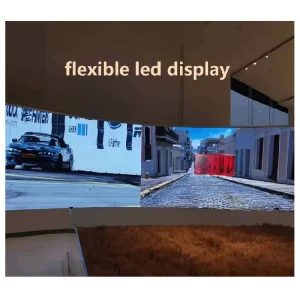
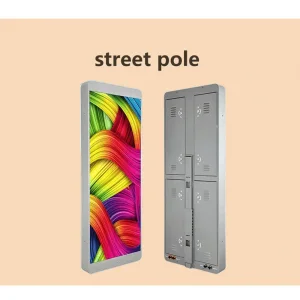
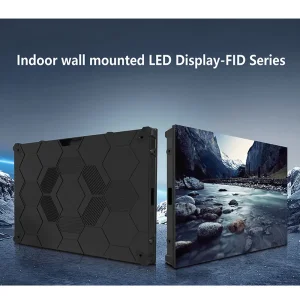
HAFOND provides a comprehensive range of LED display solutions, catering to indoor and outdoor advertising, events, flexible installations, sports screens, mobile units, and innovative transparent displays.
At HAFOND, quality is paramount. With state-of-the-art automated production lines, we ensure each LED screen meets the highest quality benchmarks.
We back our products with a solid two-year warranty, ensuring free fixes or replacements for any quality issues, with shared shipping costs.
HAFOND’s skilled engineers are on standby, providing expert support and ensuring your continued satisfaction post-purchase.
We foster a culture of continuous innovation, ensuring our LED displays represent the cutting-edge of technology and design.
Our operations revolve around customer satisfaction and are committed to providing excellent service at every critical point.
At HAFOND, we view our clients as partners, emphasizing collaboration and support to achieve success on the international stage.
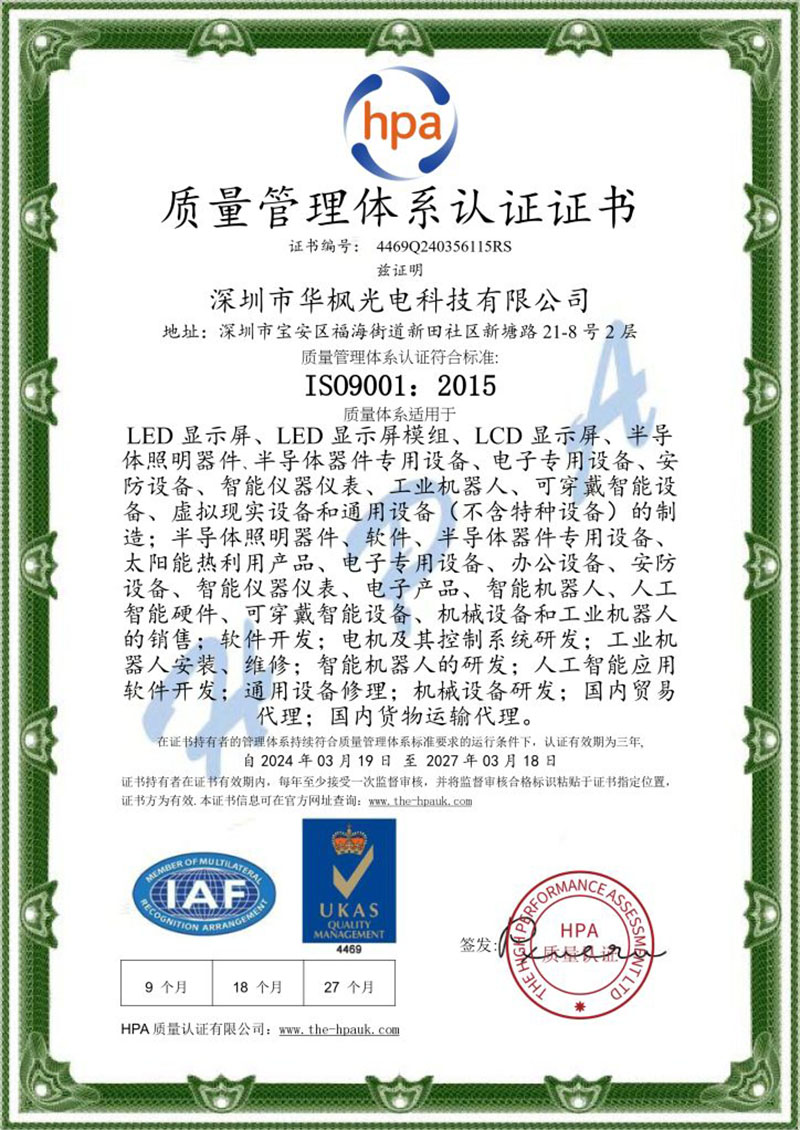
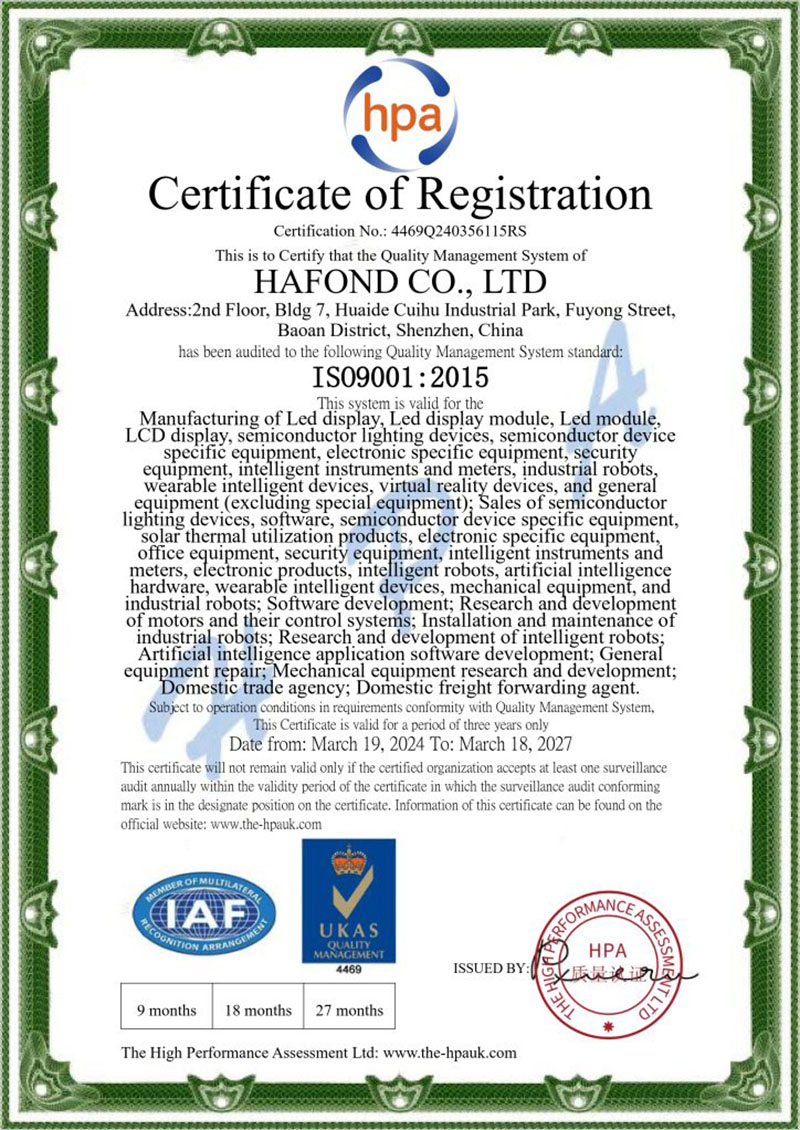
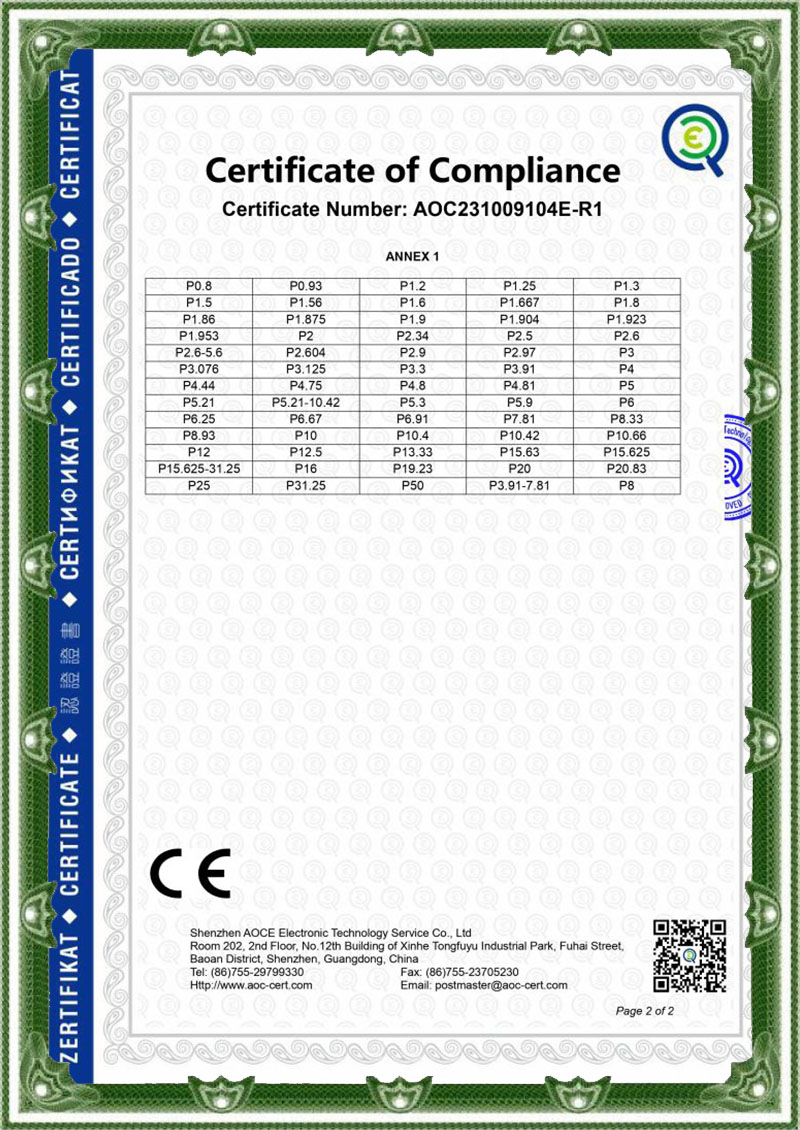
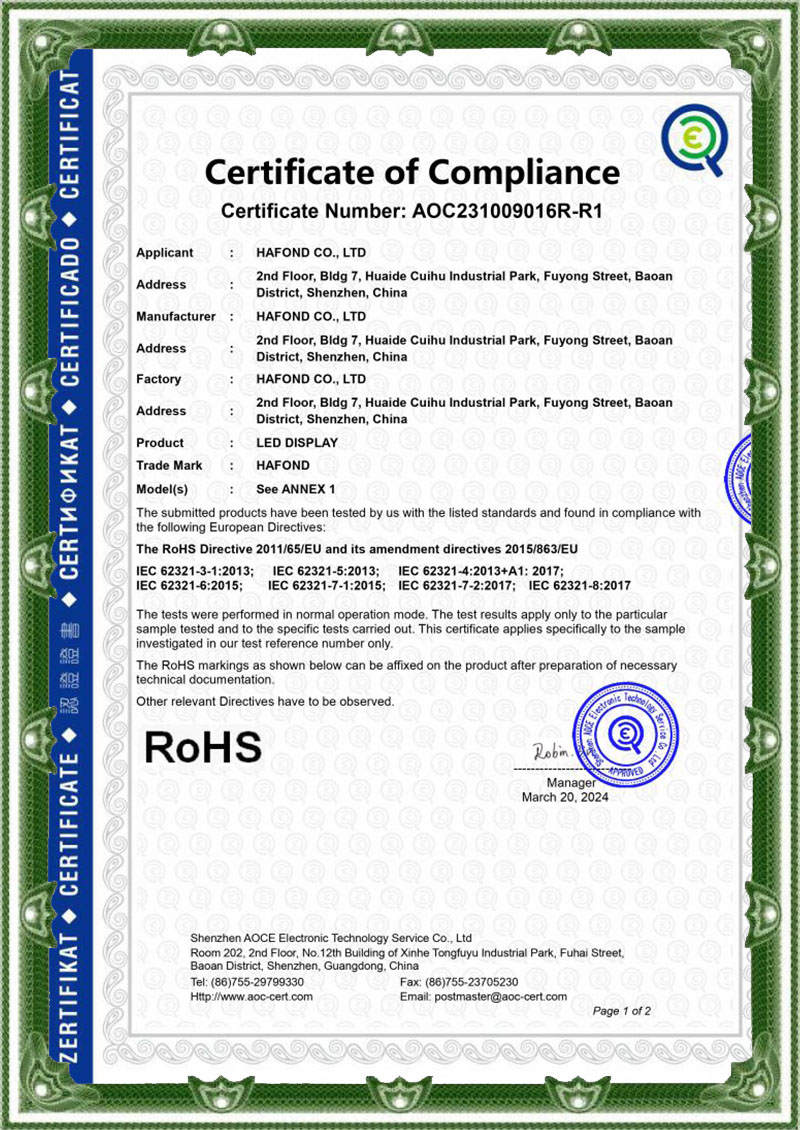
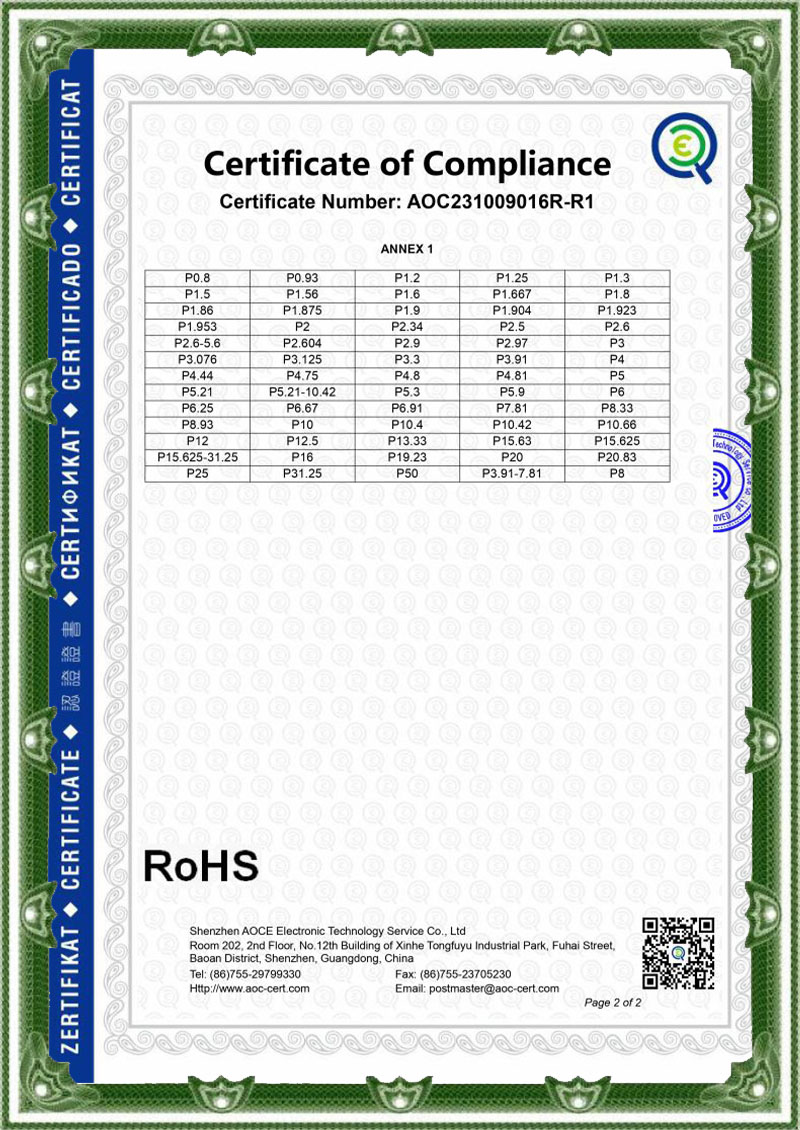
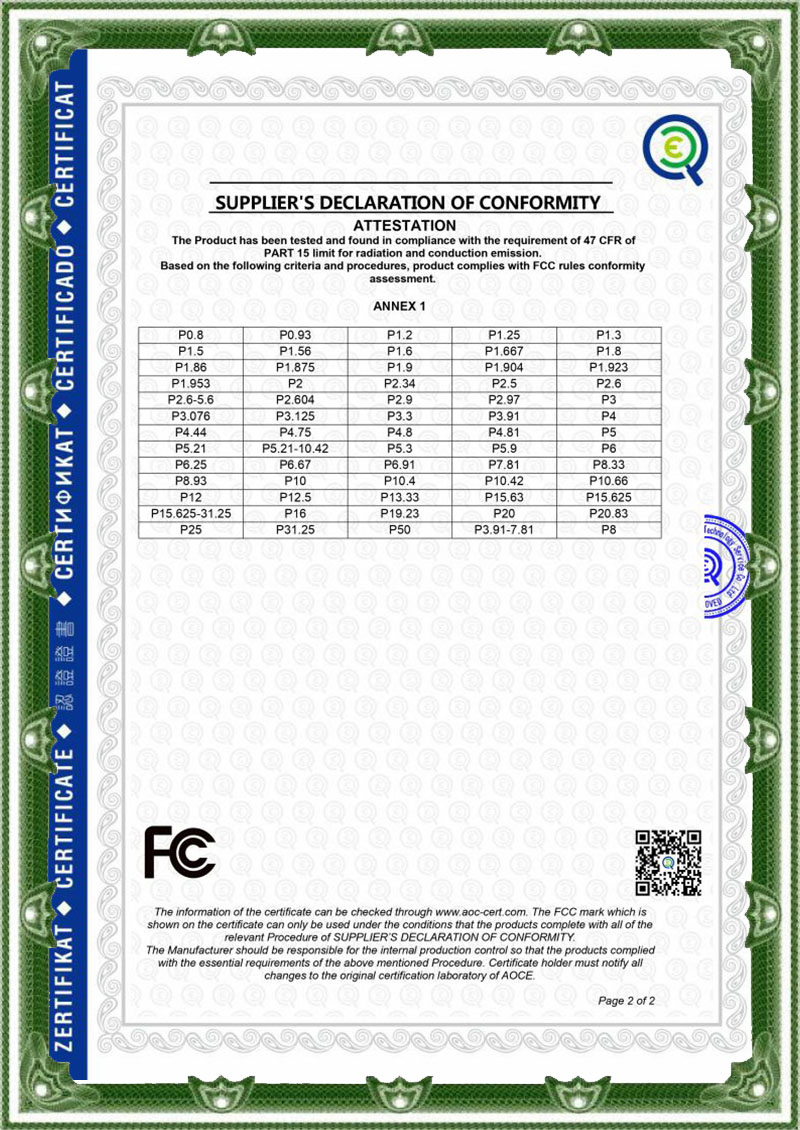
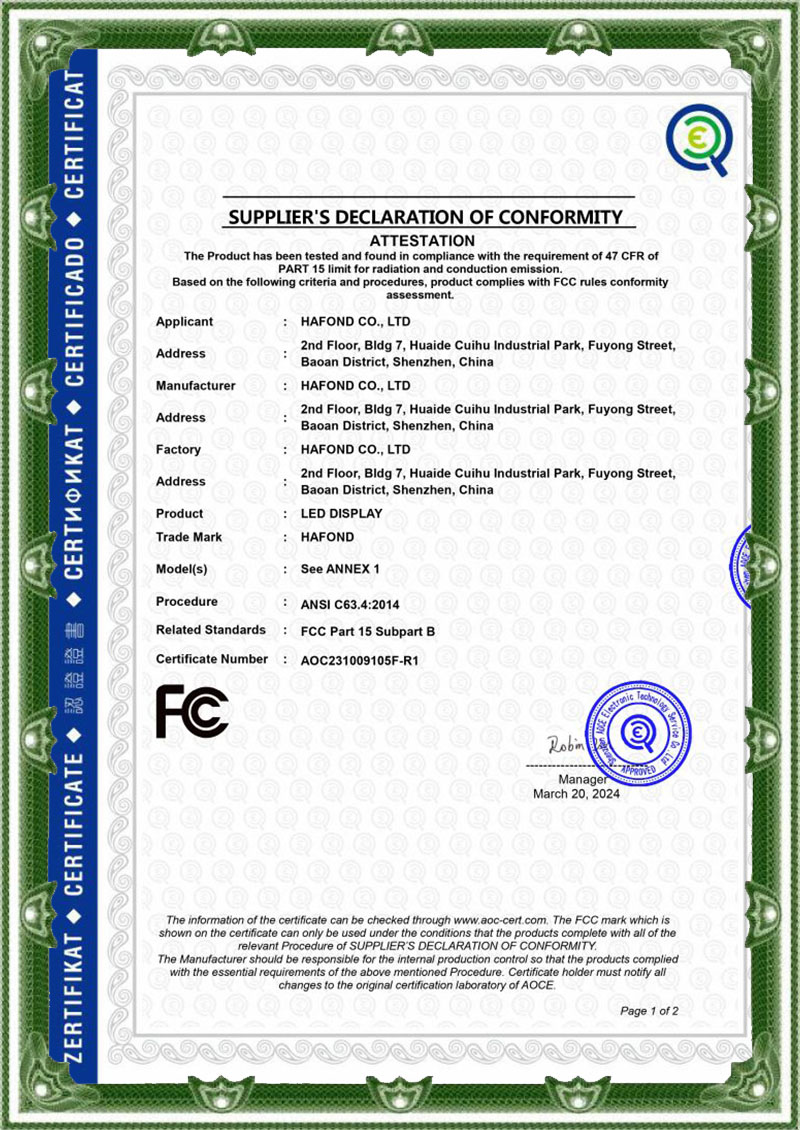
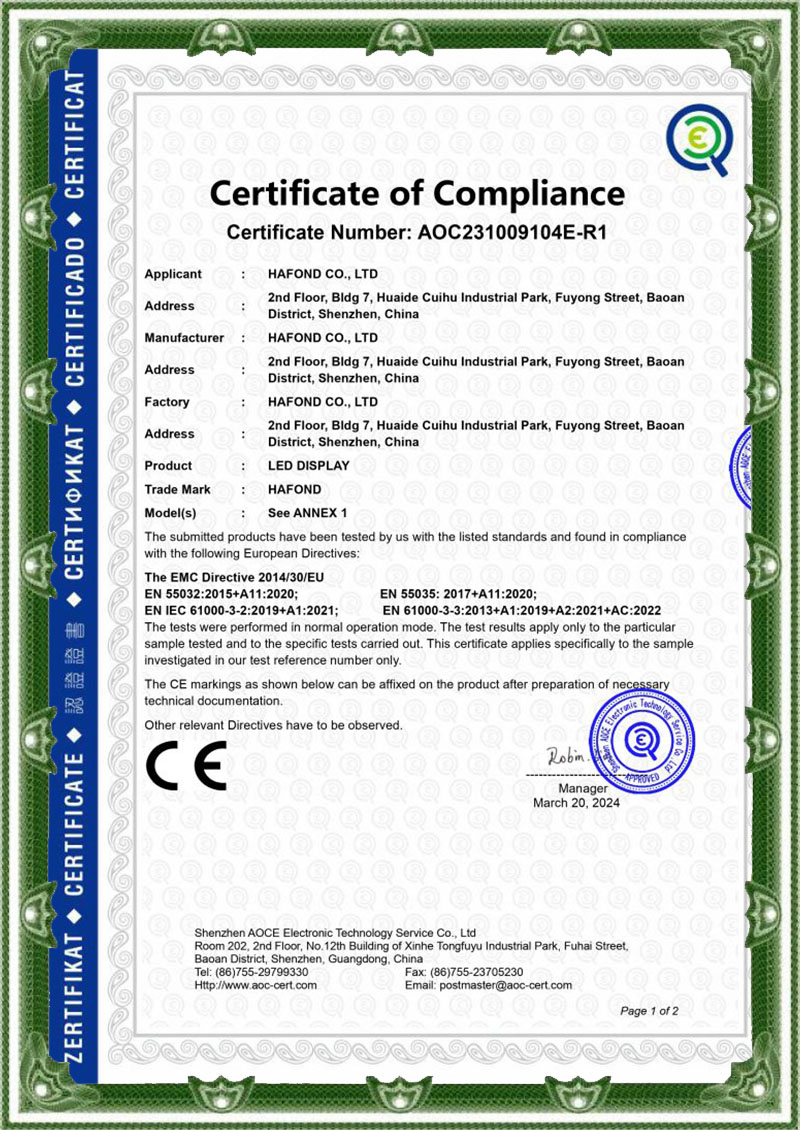
HAFOND CO., LTD stands at the forefront of the LED display industry with over a decade of expertise in crafting exceptional LED screens. Our commitment to rigorous quality control and exemplary customer service ensures that every HAFOND display meets stringent international standards, including CE, RoHS, and FCC certifications. Trust in HAFOND to deliver a superior and dependable visual experience that elevates your brand and message.
How our indoor fixed LED displays are integrated into different architectural and vertical spaces.
In modern corporate headquarters, high-resolution video walls show real-time branding, financial statistics, and customized messages. These screens can integrate with Crestron or AMX central control systems for automated display management.
Security operation centers require real-time data monitoring. Our fine-pitch LED series displays multiple data streams and map views clearly, with redundant power systems to keep critical screens running continuously.
In high-end retail environments, visual quality influences purchasing behavior. Our transparent and fine-pitch indoor screens fit into boutique store window displays and product backdrops, showing vibrant digital content that complements store aesthetics.
Purchasing indoor fixed LED display assets involves several technical considerations. Enterprise procurement managers should verify the following parameters before selecting a vendor:
We deliver custom-engineered visual configurations designed for diverse global environments.
Technical and procurement answers to help you plan your next LED integration project.
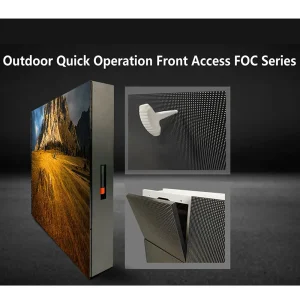
Front-maintenance models use vacuum or magnetic tools to remove individual LED modules from the front of the cabinet. This setup allows the display to be mounted directly against a wall, saving space. Rear-maintenance models require an access corridor (typically 60-80cm) behind the display for servicing, making them better suited for larger, open structures where space is not restricted.
A simple rule of thumb for finding the optimal viewing distance is to convert the pixel pitch into meters. For example, a P1.5 screen is best viewed from 1.5 meters (5 feet) or more. For rooms where viewers sit close to the screen, a fine pitch like P0.9 to P1.5 is recommended to prevent visible pixelation. For larger lobbies where viewers are further away, a P2.0 or P2.5 display is often more cost-effective.
For European markets, CE certification (covering LVD and EMC directives) and RoHS compliance are mandatory. For the North American market, FCC certification for electromagnetic interference is required, and UL or ETL certification is recommended to verify electrical safety standards.
A higher refresh rate (3840Hz or more) prevents visual flickering when the screen is photographed or broadcast on video. This feature is important for conference rooms with video call systems, TV studios, and event venues. Lower refresh rates can cause dark lines to appear on camera, which impacts video quality.
High-quality LED modules are rated for approximately 100,000 hours of operation under optimal conditions. Real-world lifespan depends on heat management, power supply stability, and brightness settings. Running screens at moderate brightness and ensuring adequate ventilation can extend their operating life.
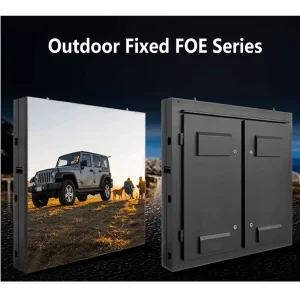
Browse our specialty product categories, including transparent screens, customizable shapes, and outdoor fixed arrays.
 Hafond Display