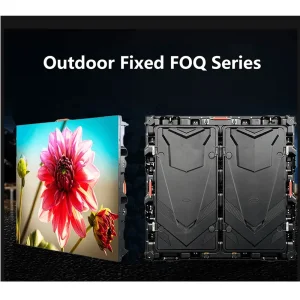
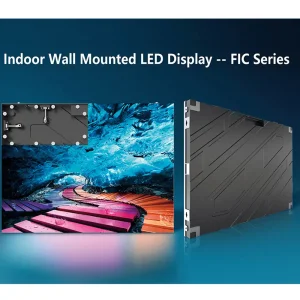
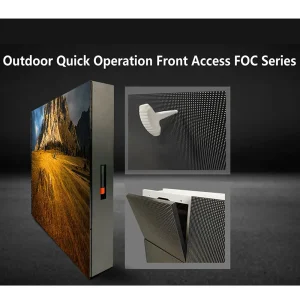
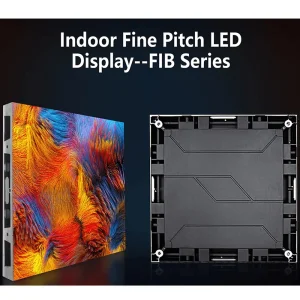
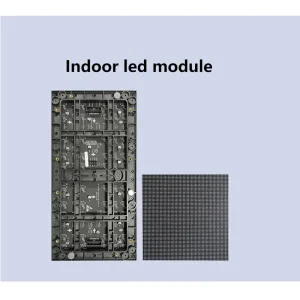
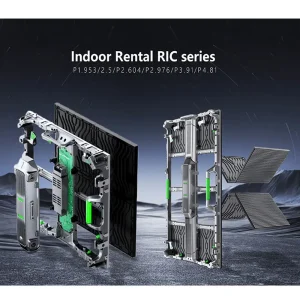
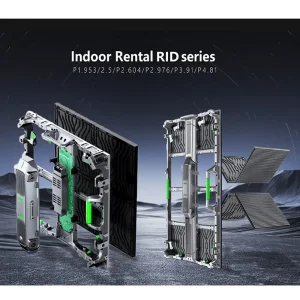
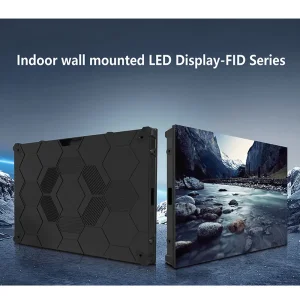
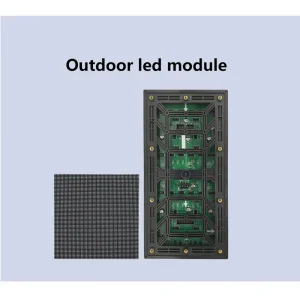
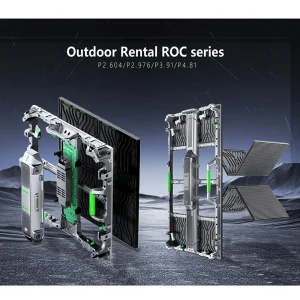
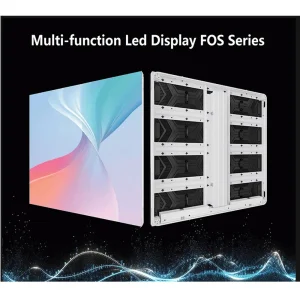
Industry-leading LED displays engineered for performance and durability.
The LED display landscape has shifted from static advertising billboards to immersive, interactive ecosystems. As "Rolling Display" technology becomes the vanguard of creative architecture, manufacturers are integrating AI-driven calibration and 5G connectivity. Global demand is pivoting towards higher refresh rates and energy efficiency, moving beyond standard specs to tailored visual experiences.
Technological convergence is the primary driver. We see a significant rise in COB (Chip on Board) and MicroLED applications, providing superior contrast and durability. Sustainability is no longer optional; RoHS compliance and low-carbon manufacturing processes are now critical benchmarks for European and North American procurement teams.
A "High-Quality LED Rolling Display" is defined by its control system and heat dissipation architecture as much as its pixel pitch. Modern suppliers provide value-added software integration that allows for real-time cloud monitoring—transforming a simple screen into a strategic data visualization asset.
Founded in 2014, HAFOND specializes in the design and manufacturing of high-quality indoor and outdoor LED display solutions. Our focus on research and development has allowed us to offer a wide array of products that cater to diverse visual display needs across the globe.
Years Industry Experience
Countries/Areas Served
SQM Manufacturing Space
Monthly Production (m²)
As the global hub for LED manufacturing, Chinese factories have evolved from simple assembly lines to "Lighthouse Factories" utilizing AI-driven quality control. HAFOND leverages this ecosystem to ensure:
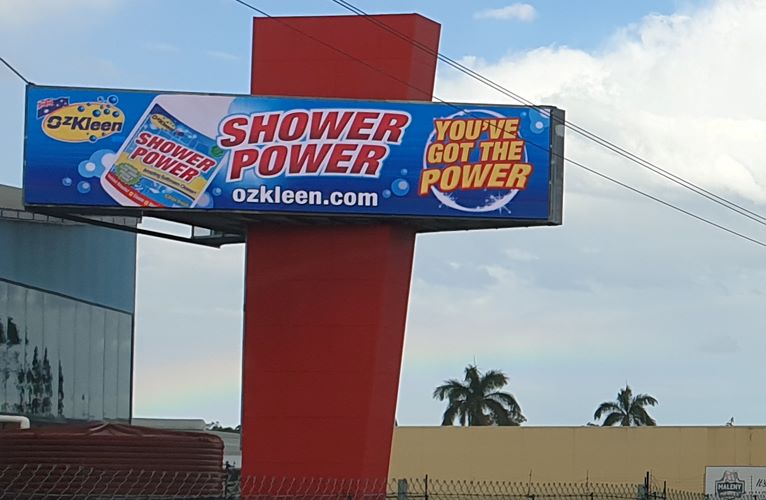
Localized solutions for diverse industrial and commercial environments.
Ultra-thin rolling displays for luxury storefronts and curved airport transit hubs.
High-impact perimeter boards with shock-absorption technology for athlete safety.
High-refresh-rate LED walls for XR studios and cinematic background projection.
Continuous uptime displays for marine navigation, utility grids, and emergency response.
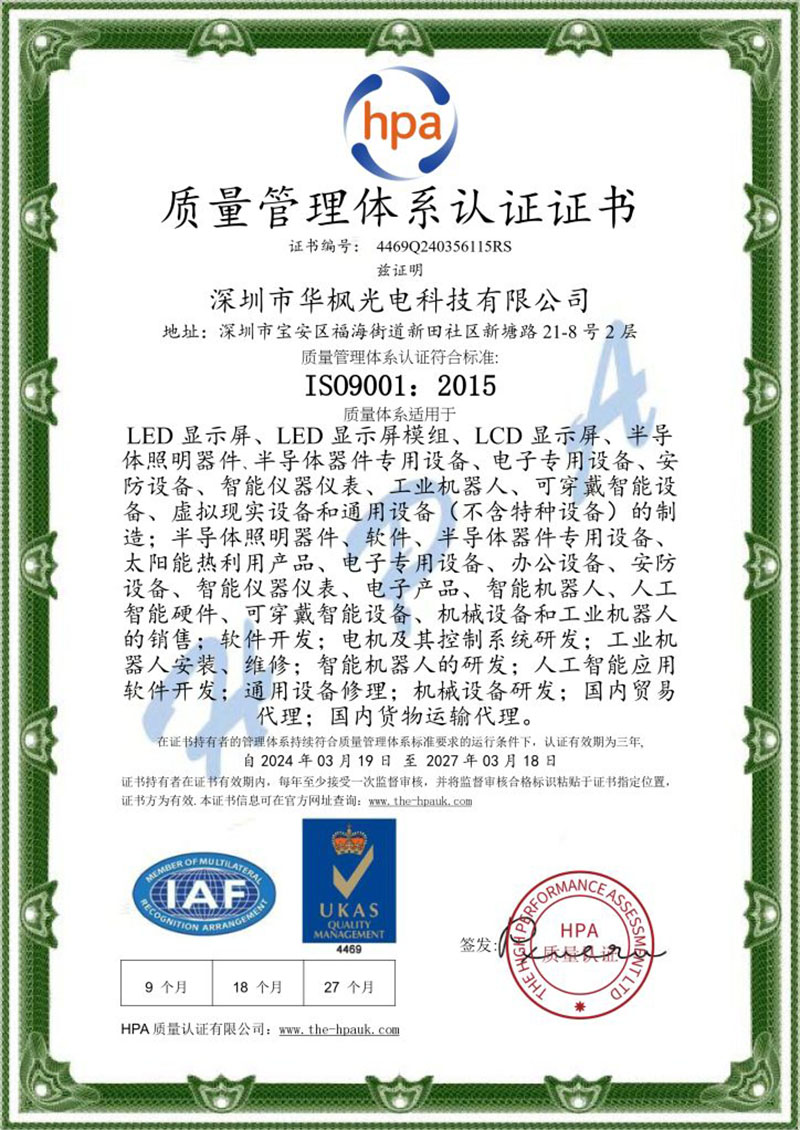
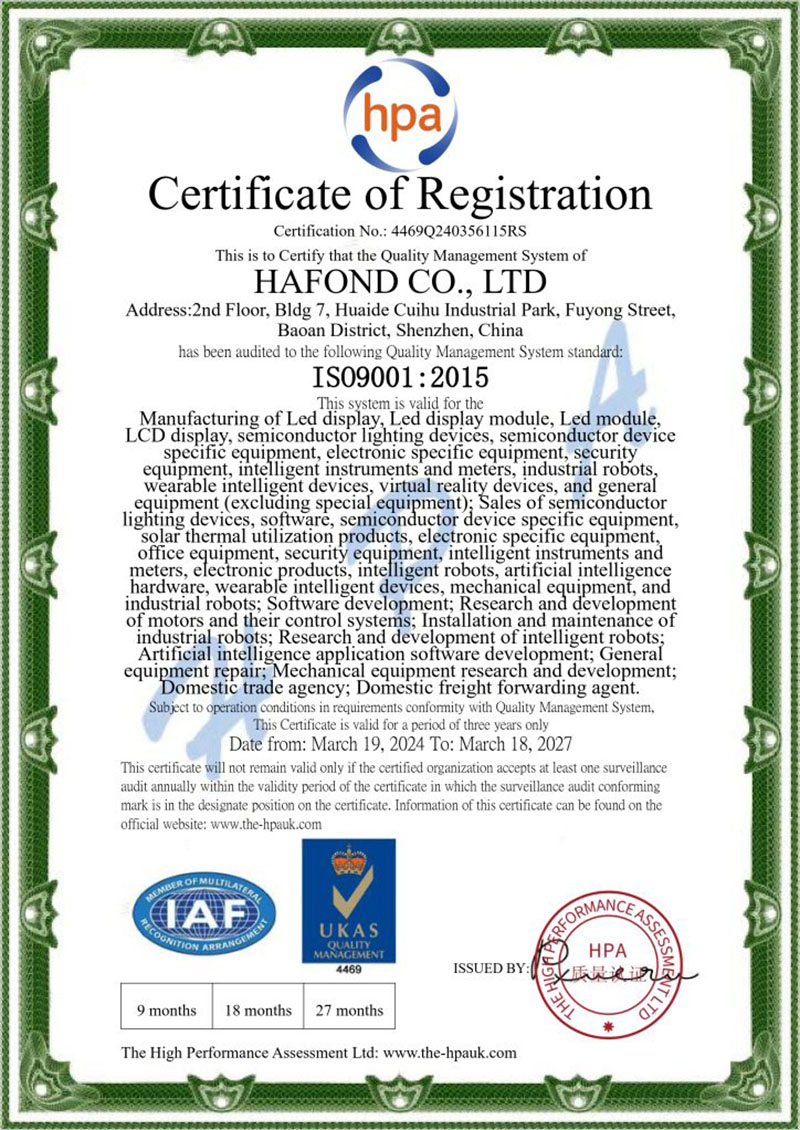
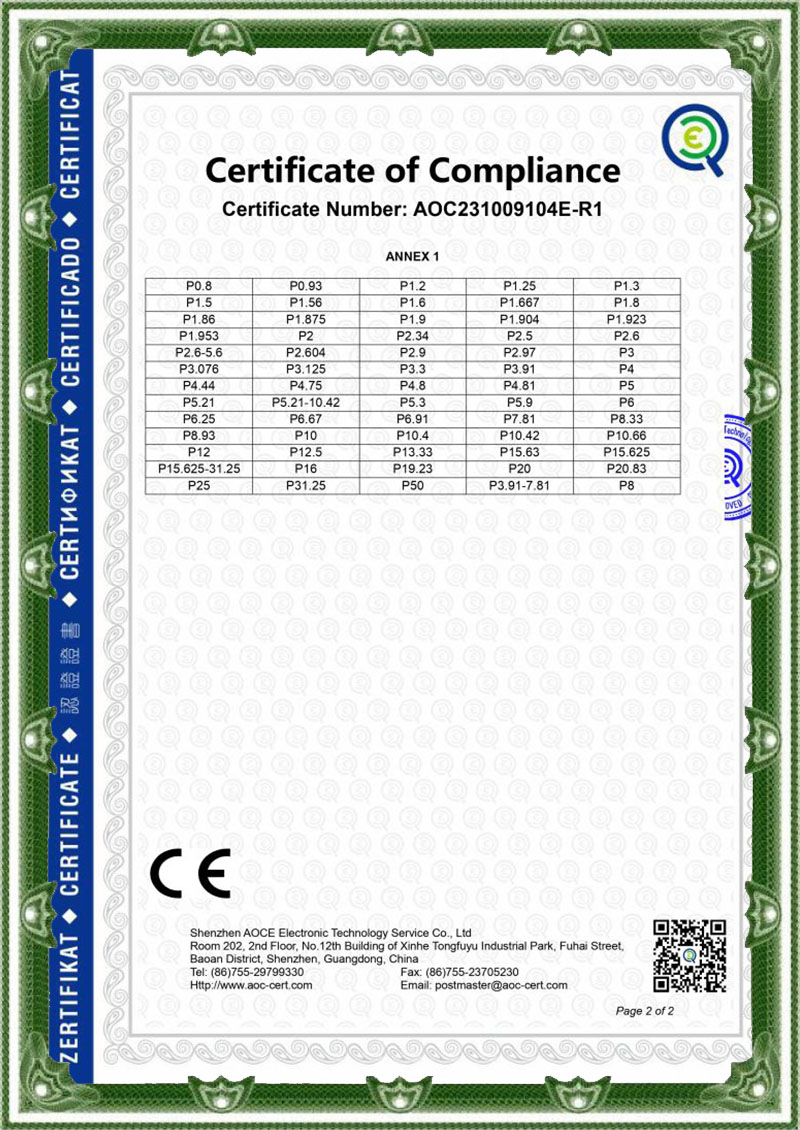
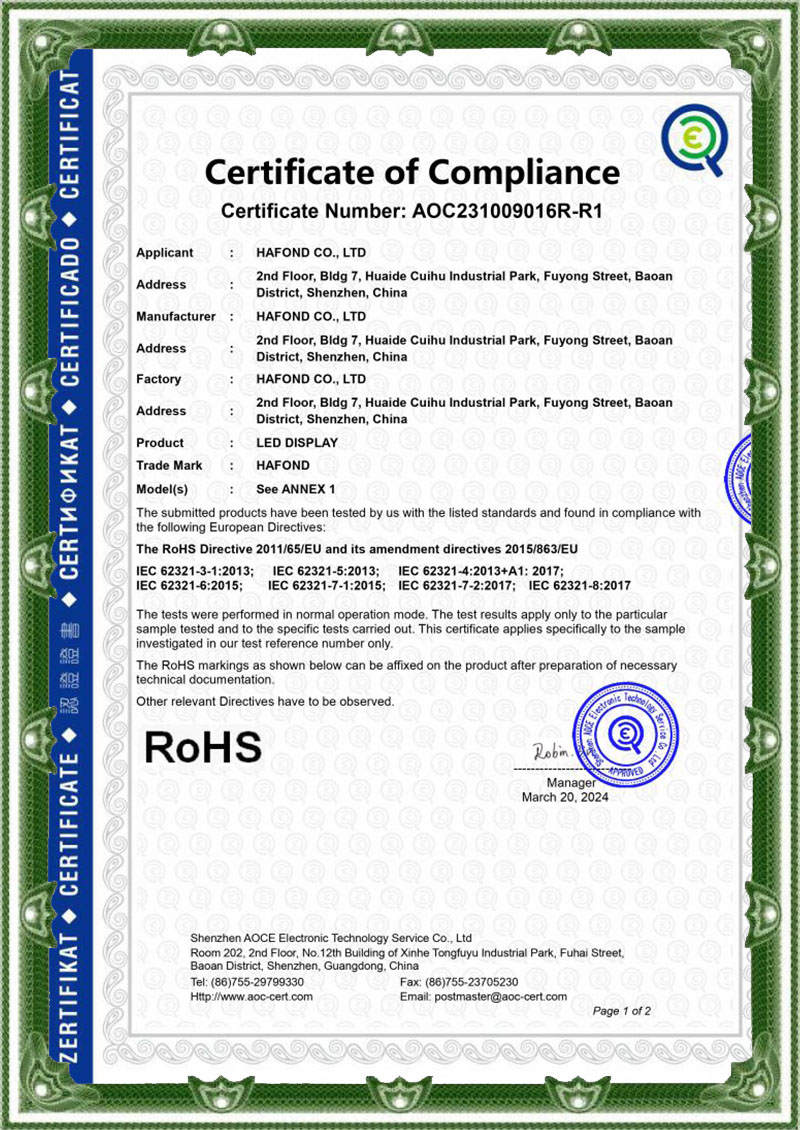
At HAFOND, quality is paramount. With state-of-the-art automated production lines, we ensure each LED screen meets the highest quality benchmarks (CE, RoHS, FCC).
We back our products with a solid two-year warranty, ensuring free fixes or replacements for any quality issues, with shared shipping costs.
We foster a culture of continuous innovation, ensuring our LED displays represent the cutting-edge of technology and design for our global partners.
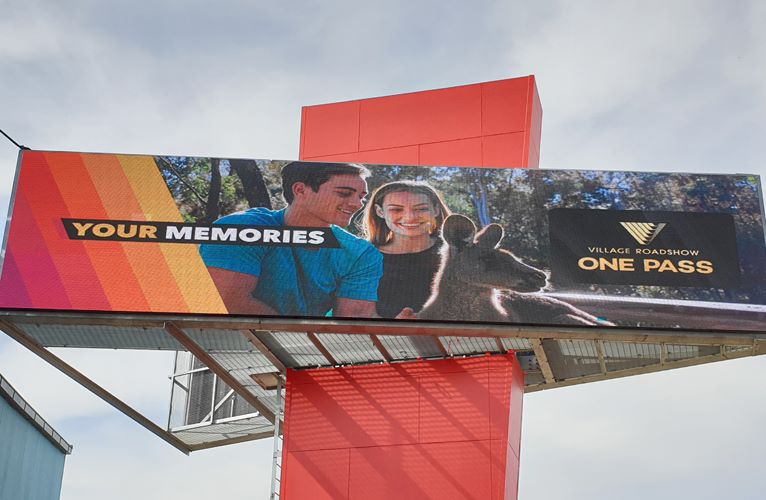
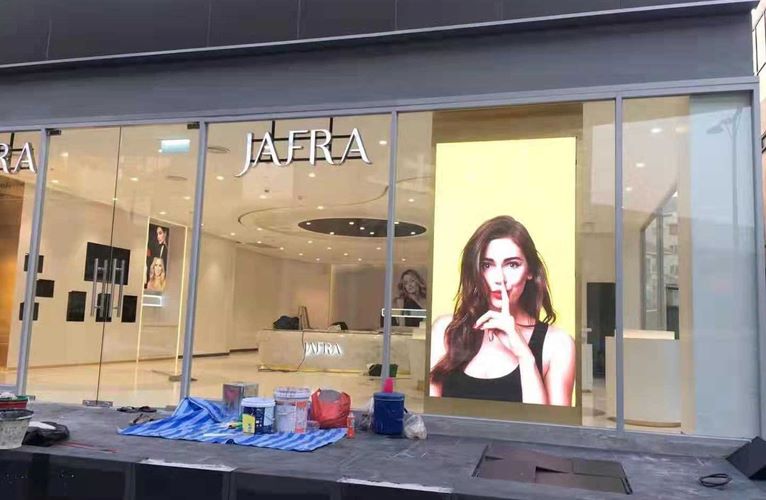
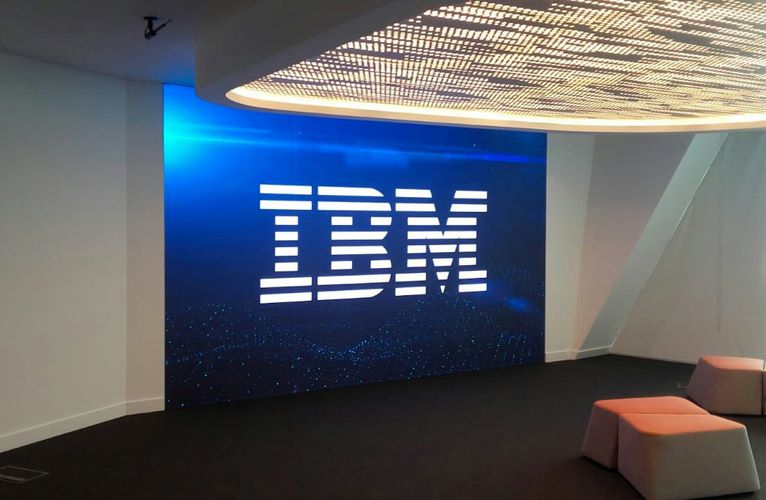
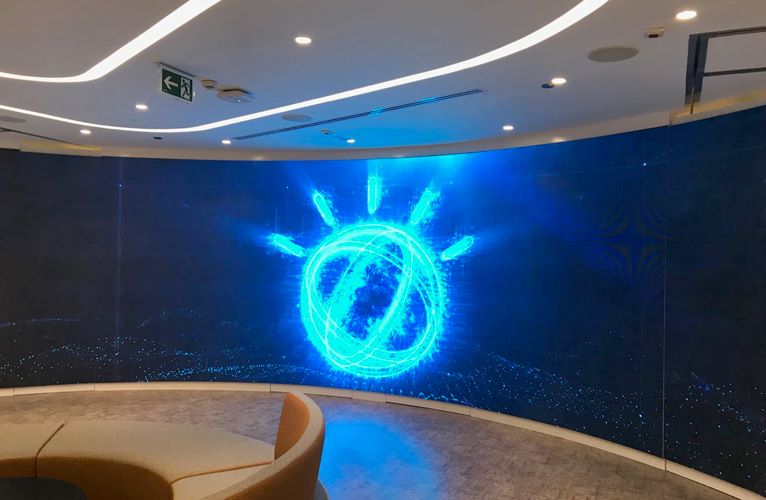
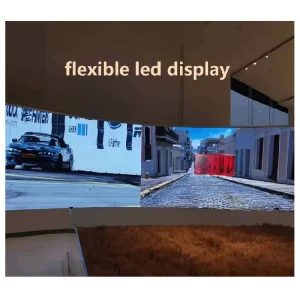
Flexible rolling displays utilize specialized PCB materials and rubber or silicone frames, allowing the screen to bend without damaging the SMD components. This is crucial for concave/convex architecture where standard cabinets cannot fit. They are lighter, easier to install in complex spaces, and offer more creative freedom for interior designers.
Procurement should look beyond the initial purchase price. TCO includes energy consumption (W/sqm), maintenance costs (front vs. rear access), spare parts availability, and the lifespan of the LEDs (usually 100,000 hours). High-quality manufacturers like HAFOND optimize heat dissipation to extend the half-life of the diodes, lowering long-term costs.
For the US, FCC and ETL/UL certifications are vital for safety and electromagnetic interference. For the EU, CE and RoHS are mandatory. These certifications ensure that the electronics do not interfere with other devices and are free from hazardous materials like lead or cadmium.
Factory 4.0 refers to the digitalization of manufacturing. By using integrated PLM (Product Lifecycle Management) systems, we can simulate the installation virtually before production begins, reducing errors and allowing us to maintain a production capacity of 3000+ sqm per month even for custom designs.
Global shipping and technical support for all product lines.
 Hafond Display