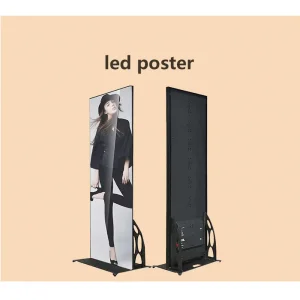
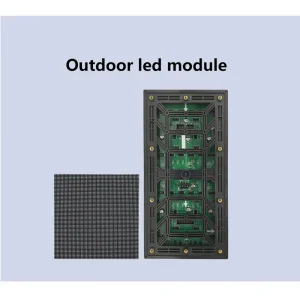
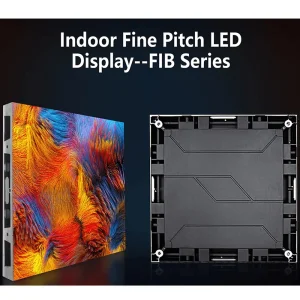
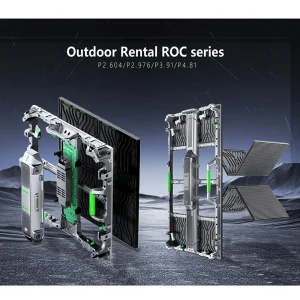
Explore our elite portfolio of indoor, outdoor, and rental LED displays engineered for unmatched thermal efficiency, high refresh rates, and long-lasting structural integrity.
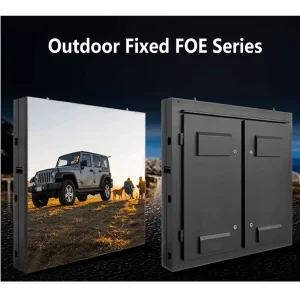
Established in 2014, HAFOND CO., LTD has spent over a decade pushing the boundaries of optoelectronic display technology. We focus on designing, developing, and manufacturing high-performance indoor and outdoor LED display solutions tailored to the needs of modern industrial, commercial, and creative projects worldwide.
Rather than operating simply as a high-volume supplier, we function as a strategic engineering partner. By pairing custom development with advanced industrial systems, HAFOND delivers display solutions that match strict client expectations for durability, color accuracy, and overall investment value.
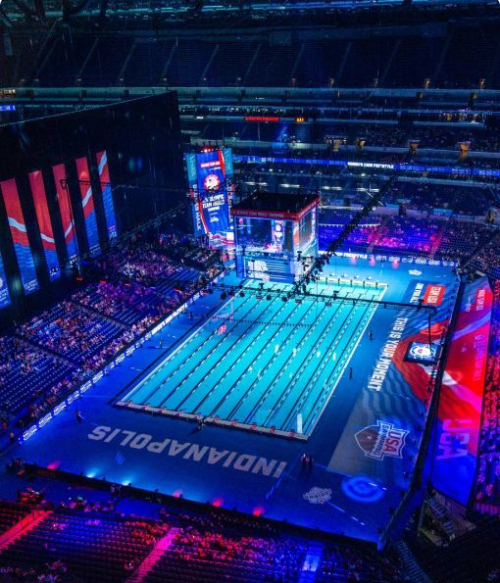
An authoritative analysis of technical specifications, manufacturing ecosystems, and strategic procurement for enterprise-level display projects.
In the current business landscape, digital signage has evolved from static advertising boards into highly dynamic, connected endpoints. Modern digital signage acts as a core interface for communication, real-time data visualization, and interactive brand experiences. By combining fine-pixel pitch LED technology with advanced system software, these installations help organizations turn standard spaces into immersive digital environments.
From corporate offices and public transit hubs to retail stores and industrial control rooms, high-performance displays have become a key standard. They serve a critical role in showing real-time information, helping direct foot traffic, and running targeted, high-impact marketing campaigns. Working with experienced, high-tier wholesale digital signage manufacturers ensures that organizations get display hardware optimized for long-term use, low energy consumption, and high operational reliability.
Manufacturing high-reliability digital signage requires precise design, clean component sourcing, and rigorous quality control. The production pipeline starts with automated Surface Mount Technology (SMT) lines. Here, high-performance LED diodes are placed onto multi-layer printed circuit boards (PCBs) at high speeds to guarantee uniform electrical connections and minimize early component failures.
By leveraging advanced assembly lines and raw material networks, leading manufacturers in China are able to combine technological precision with scale. This manufacturing system helps lower overall production costs while maintaining strict quality metrics. It also allows for rapid prototyping, easily scalable production runs, and consistent, high-yield manufacturing of tight pixel pitches down to P0.9 and P1.2.
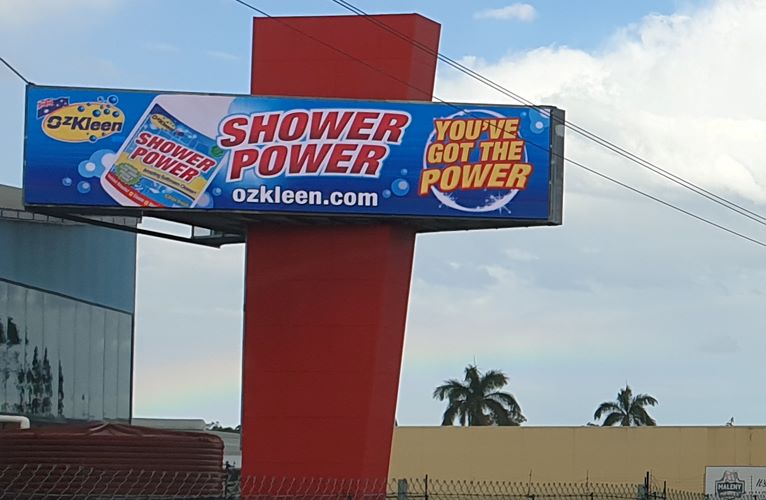
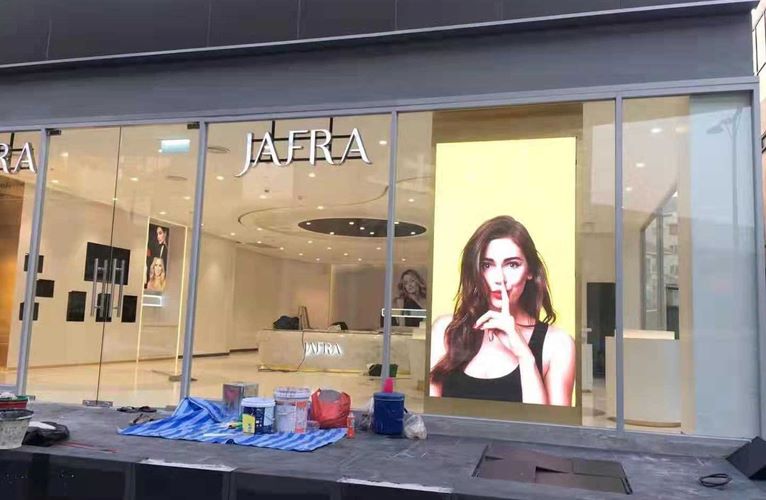
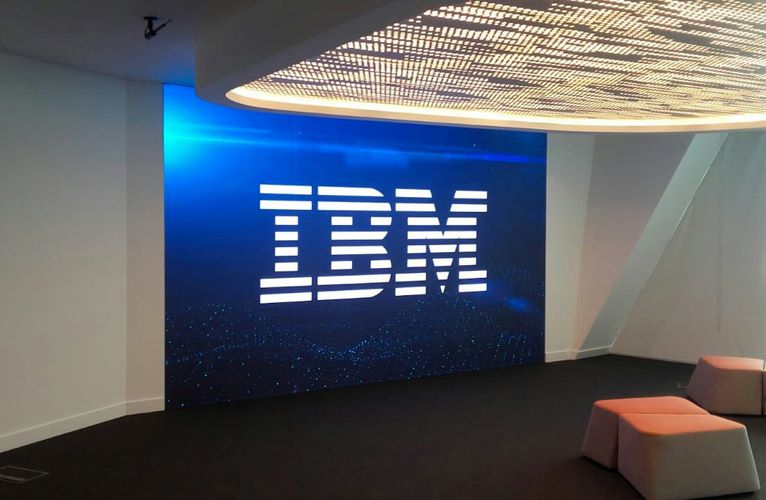
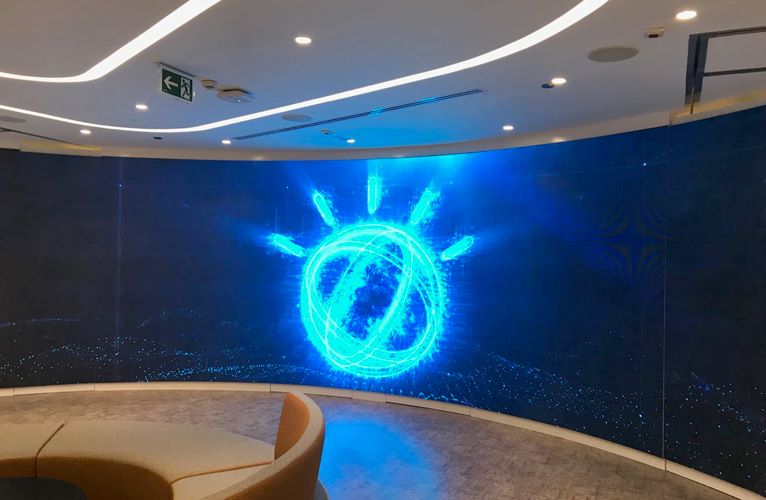
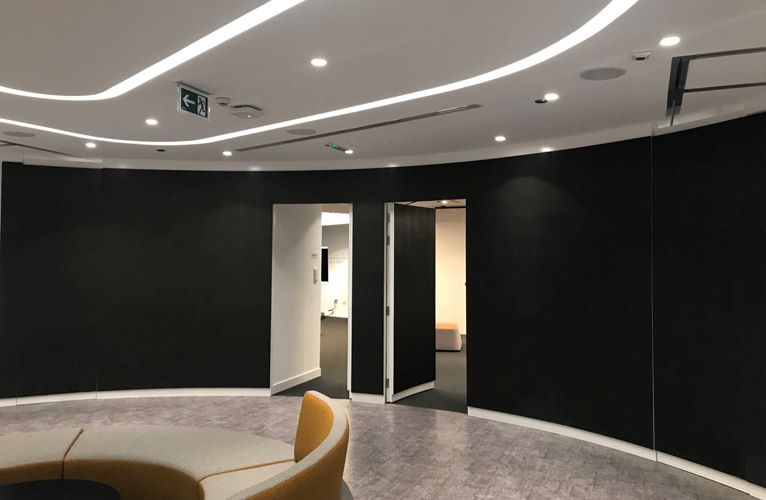
Proof of reliability across real-world commercial, entertainment, and public installations.

Evaluating digital signage hardware requires a clear understanding of its core technical specifications. These parameters determine how well the display will perform in its intended environment and directly impact the lifetime value of the hardware:
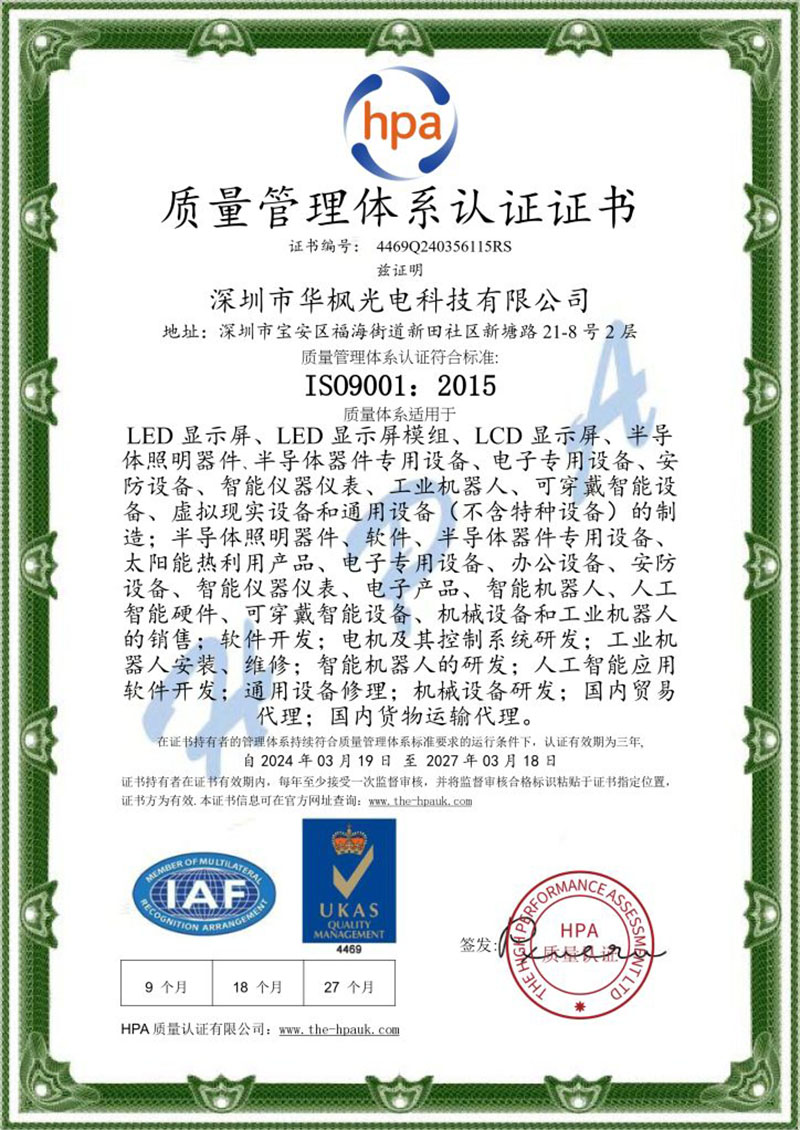
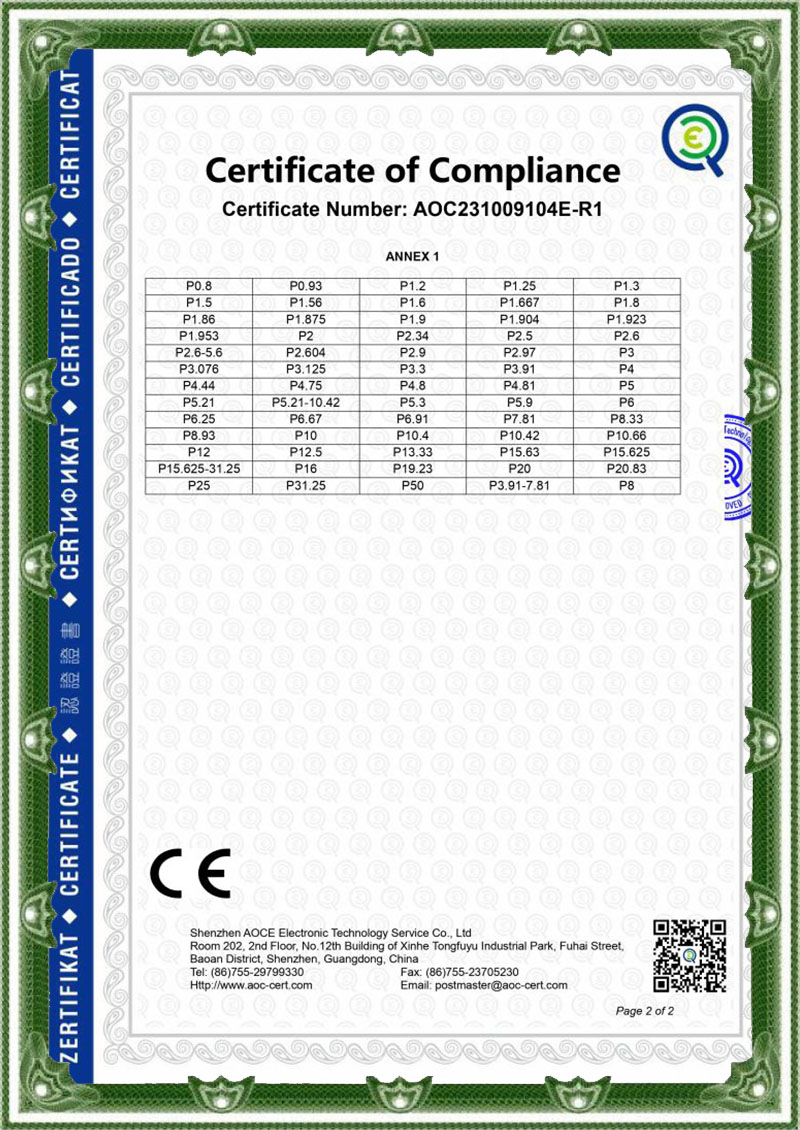
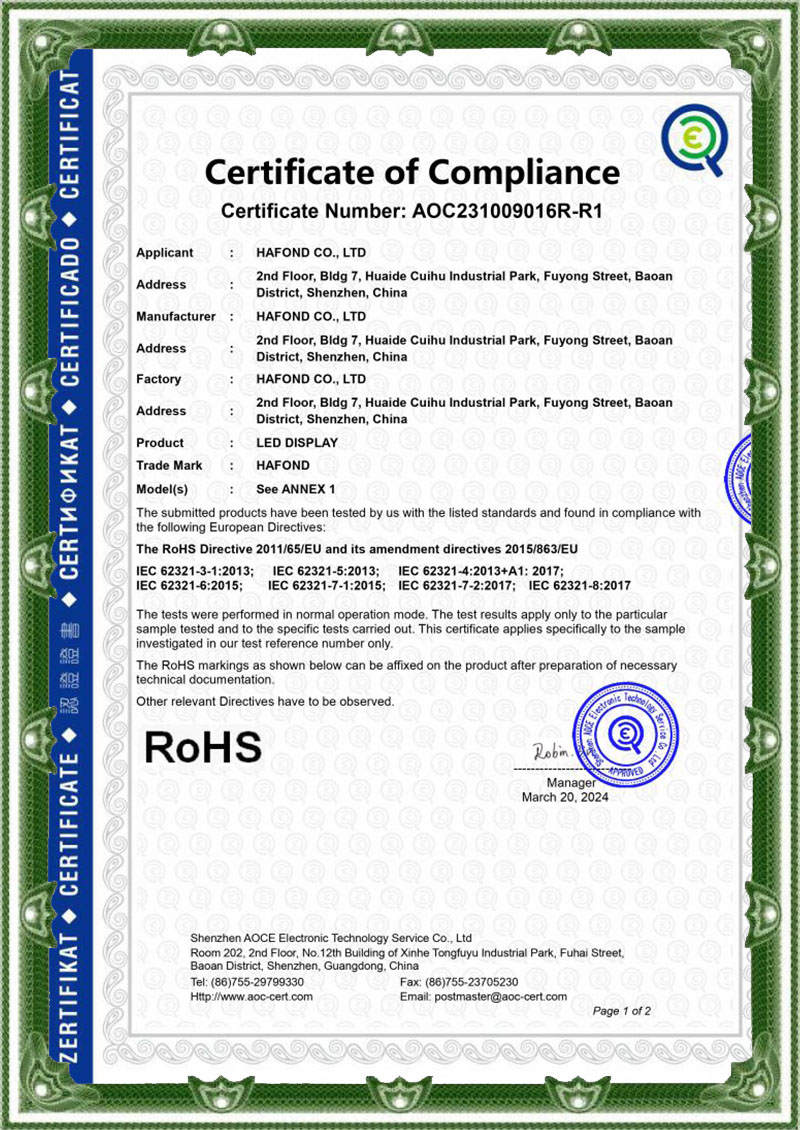
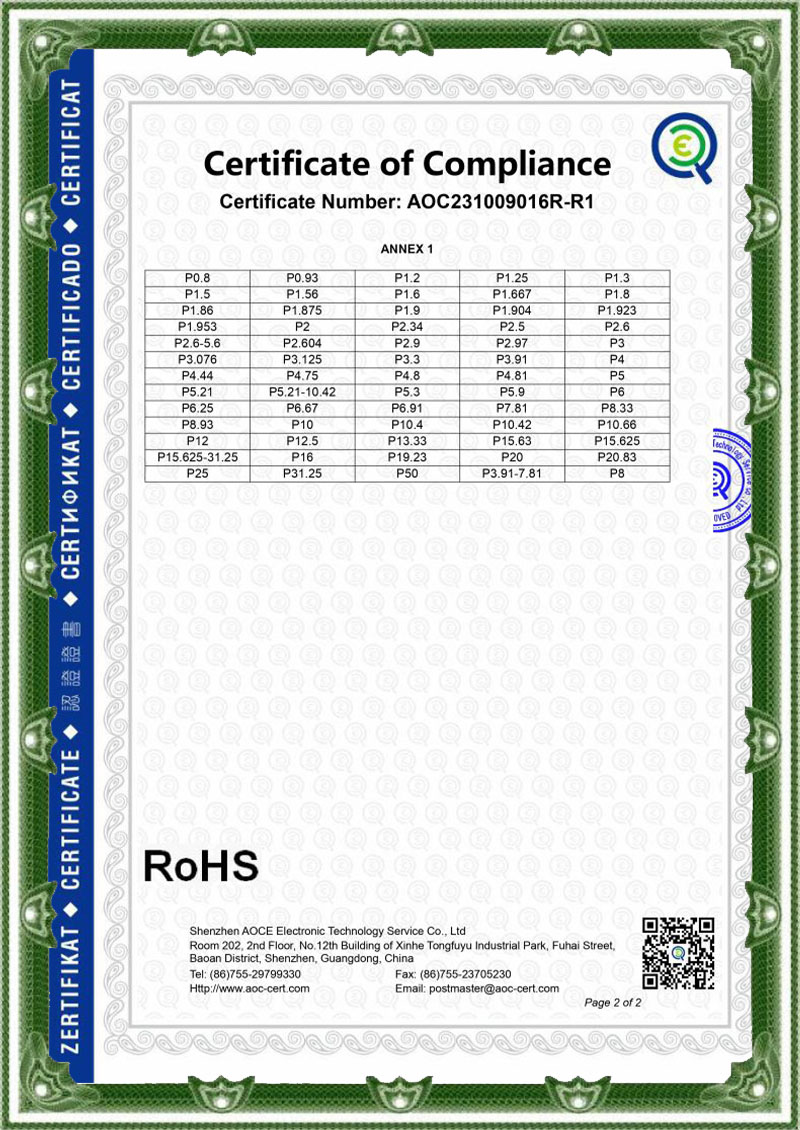
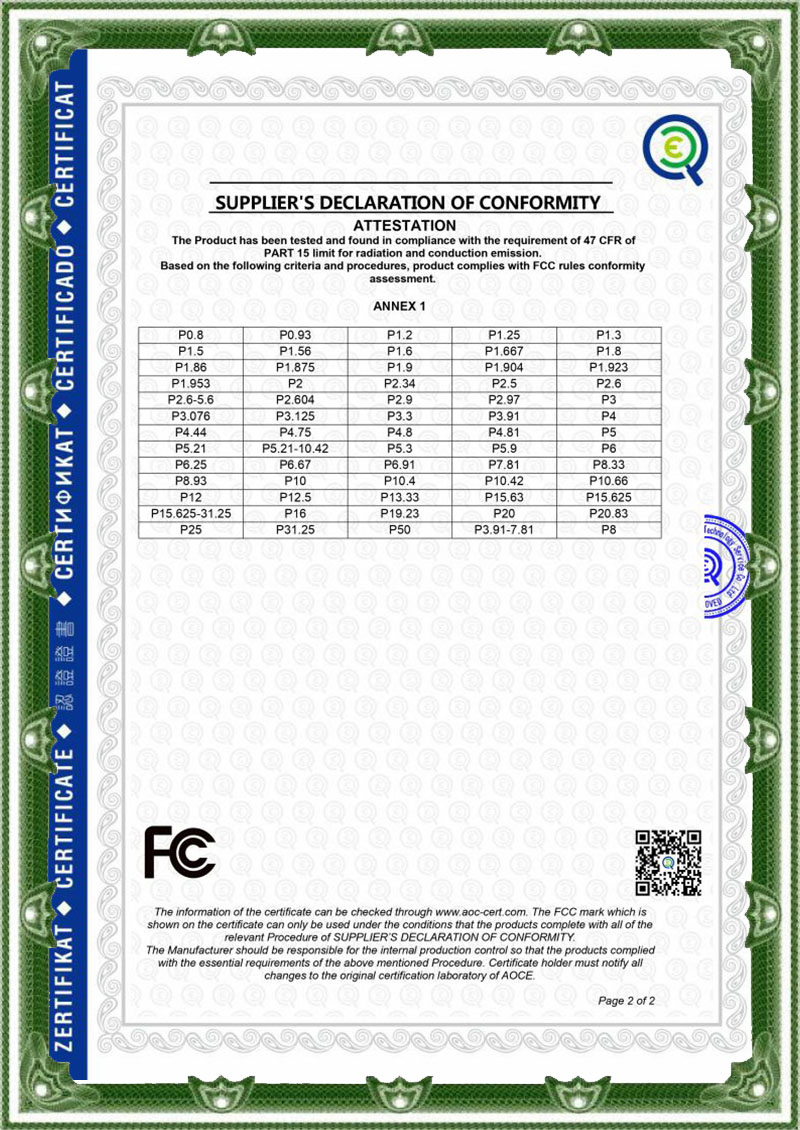
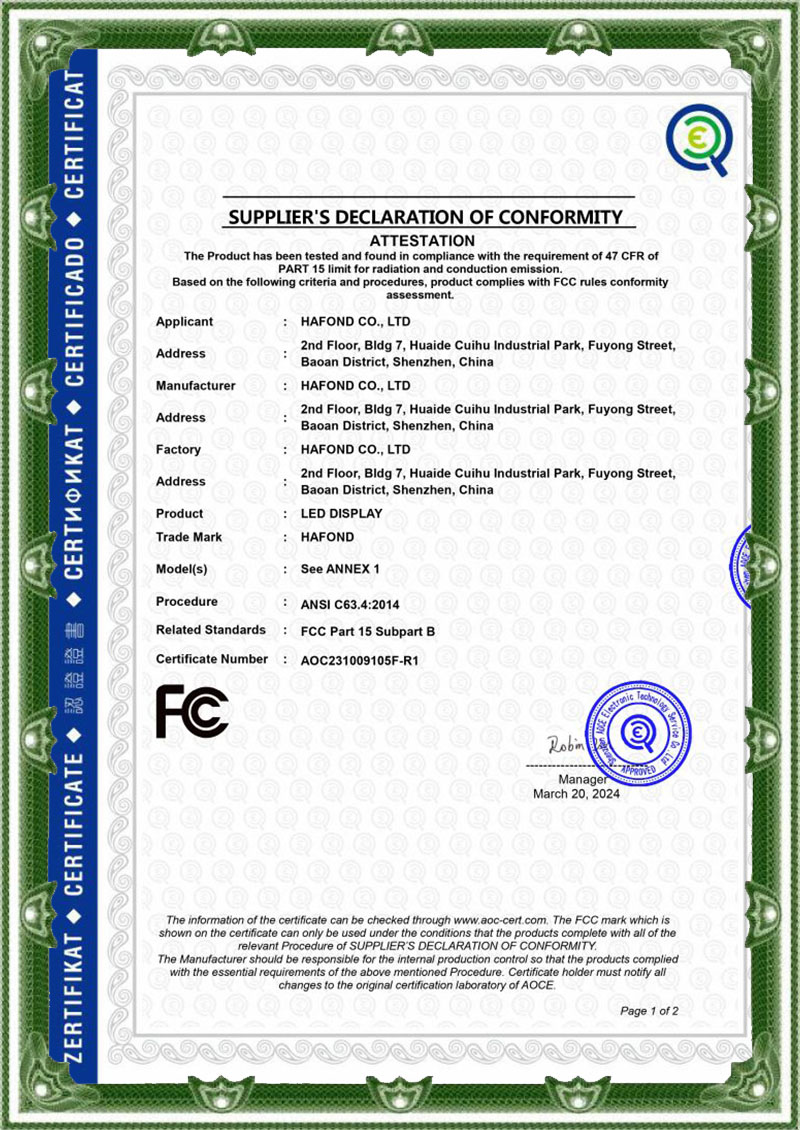
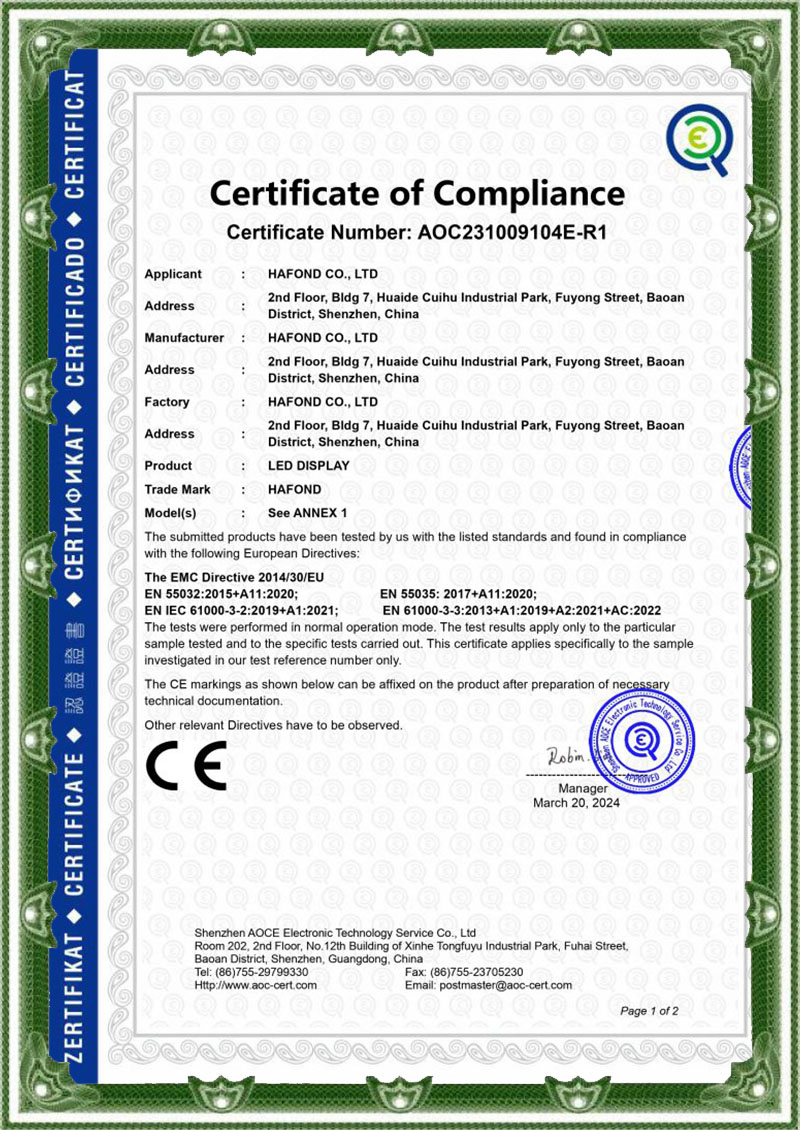
To operate reliably in international markets, digital signage displays must meet strict regulatory and safety standards. High-quality products should carry major international certifications, including CE, RoHS, and FCC. These certifications show that the displays meet key safety, environmental, and electromagnetic compatibility standards.
A reliable manufacturer guarantees this level of quality through systematic testing. Every LED module undergoes extensive high-temperature aging tests, vibration simulations, and waterproofing verification before leaving the facility. This helps identify and resolve potential issues early, ensuring the displays arrive ready for long-term deployment.
We combine state-of-the-art engineering with dedicated support to keep your systems running smoothly.
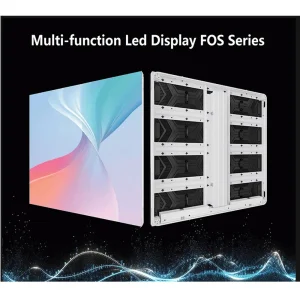
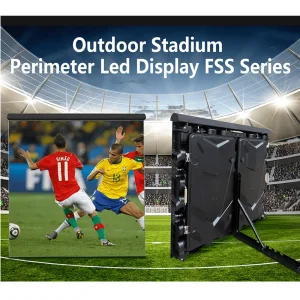
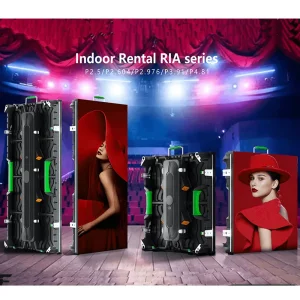
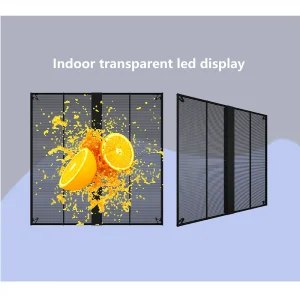
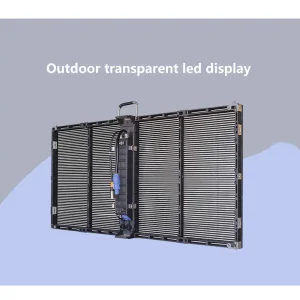
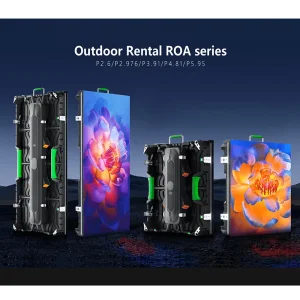
We provide a comprehensive range of display technologies, including fine-pitch indoor panels, rugged outdoor billboards, stadium displays, rental-ready rental systems, and highly transparent glass modules.
Every batch of displays is processed through automated manufacturing lines and tested for thermal stability, color uniformity, and electrical efficiency to ensure consistent performance.
Our systems are backed by a comprehensive two-year warranty program, which includes repair parts and technical assistance to minimize system downtime.
HAFOND's technical support engineers provide guidance on installation, system configuration, and maintenance to help ensure your display functions correctly from day one.
We continuously invest in R&D to integrate newer display technologies, such as common-cathode energy designs and smart calibration software, into our standard products.
We work closely with installers, system integrators, and software providers worldwide to ensure our hardware integrates smoothly into diverse projects.
Our digital signage systems are tailored to meet the technical demands of specific commercial environments.

The digital signage landscape continues to evolve, driven by advancements in material science, processing speed, and display architectures:
Purchasing wholesale digital signage from international suppliers requires careful planning around customs, transport logistics, and project timelines. High-quality manufacturers help mitigate these risks by providing detailed tracking, clear packing documentation, and reliable shipping timelines.
To keep installations on track, buyers should account for transit durations and local customs clearance times. Working with an established manufacturing partner helps ensure that shipments are packed securely, import documentation is handled correctly, and components are protected during transit.
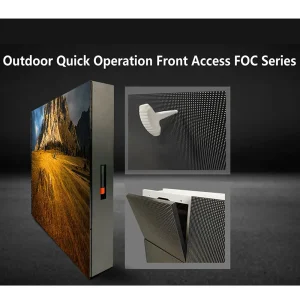
Explore our specialized solutions, including high-density modules, transparent displays, and outdoor-ready cabinets.
 Hafond Display