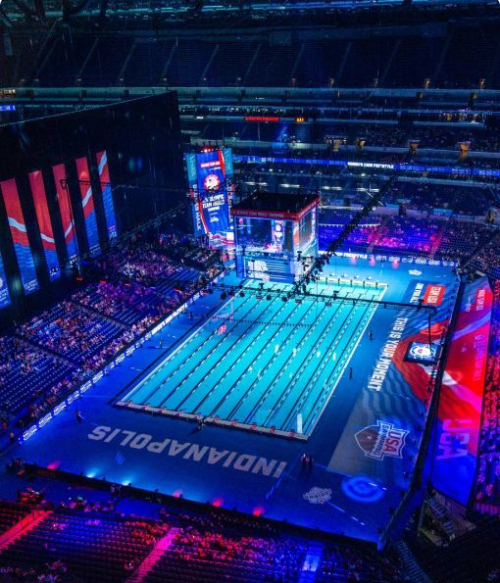
Enterprise-grade indoor, outdoor, rental, and architectural display hardware
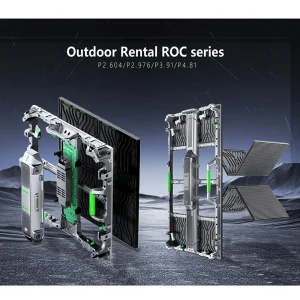
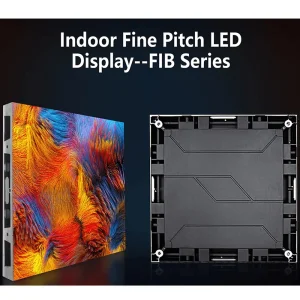
A Comprehensive Industry Guide to Transparent Media Facades, Wind-Resistant Structural Designs, and B2B Procurement Standards
In modern architectural engineering and commercial real estate development, the integration of high-performance digital displays into building envelopes has evolved from simple digital signage to structural media facades. Selecting a top-tier high-quality LED mesh screen supplier requires a thorough technical understanding of optical transparency, structural wind load reduction, thermal dissipation dynamics, and long-term environmental endurance.
Engineering Core Principle: LED mesh screens (also known as LED curtain displays or flexible mesh facades) bridge the gap between architectural transparency and dynamic visual communication. By maintaining up to 80% optical clarity while delivering up to 10,000 nits of calibrated brightness, LED mesh technology converts skyscraper glass curtains into ultra-large digital visual canvases without compromising internal natural lighting or structural ventilation.
Compared to traditional cabinet-based outdoor LED billboards, engineered LED mesh systems deliver massive structural and operational benefits tailored specifically for large-scale outdoor applications:
With open-grid design patterns, LED mesh displays allow airflow to pass directly through the module structure, lowering structural wind load coefficient (Cd) by up to 50–65%. This eliminates the need for expensive structural steel reinforcement on high-rise facades.
Offering transparency ratios ranging from 35% to 80% depending on pixel pitch (P10 to P50), LED mesh displays ensure unobstructed daylight penetration for building occupants and minimize shadows cast inside office environments.
Weighing between 6 kg/m² and 14 kg/m²—less than one-third of traditional cabinet screens (35–50 kg/m²)—mesh arrays significantly reduce dead weight loads on glass curtain walls and sub-structural frameworks.
To assist structural engineers, lighting designers, and procurement managers in choosing the right hardware specs, the table below compares key operational parameters across display categories:
| Performance Parameter | High-Transparency LED Mesh | Traditional Outdoor Fixed Cabinet | Indoor Fine Pitch LED |
|---|---|---|---|
| Transparency Range | 40% – 85% Transparency | 0% (Opaque Solid Backing) | 0% (Opaque Solid Backing) |
| Average System Weight | 6.5 – 12.5 kg/m² | 38 – 55 kg/m² | 18 – 28 kg/m² |
| Max Operating Brightness | 6,500 – 10,000 nits (CD/m²) | 5,500 – 7,500 nits (CD/m²) | 600 – 1,200 nits (CD/m²) |
| Wind Resistance Index | Up to Typhoon Level 14 (Pass-Through) | High Wind Load Resistance Needed | N/A (Indoor Controlled Environments) |
| Ingress Protection Rating | IP67 / IP68 Silicon Encapsulated | IP65 Front / IP54 Rear | IP30 Indoor Rated |
| Maintenance Access Protocol | Front & Rear Quick Strand Swapping | Rear Cabinet Access Corridor | Front Magnetic Module Removal |
Hafondled, Your Premier LED Display Manufacturing Partner
Founded in 2014, HAFOND CO., LTD specializes in the design, engineering, and manufacturing of high-quality indoor and outdoor LED display solutions. Throughout the years, we’ve dedicated ourselves to becoming a trusted global name in the LED display market, known for our commitment to cutting-edge technology, rigorous manufacturing controls, and client-centric engineering support.
At HAFOND, we understand the critical importance of constant innovation in the fast-paced optoelectronics industry. Our focused R&D investments allow us to engineer custom flexible meshes, transparent curtain displays, fine-pitch indoor video walls, and heavy-duty rental display suites that satisfy complex aesthetic and technical requirements worldwide.
With our products actively operating in dozens of countries, HAFOND CO., LTD prides itself on building long-lasting strategic partnerships. We prioritize structural security, thermal safety, energy savings, and color accuracy in every panel we ship.
Uncompromising Quality Assurance, Custom Engineering Capabilities, & End-to-End Field Support
HAFOND provides a comprehensive range of LED display solutions, catering to indoor and outdoor advertising, high-end stage events, flexible mesh installations, sports stadiums, and transparent facades.
Quality is paramount. Utilizing state-of-the-art automated SMT production lines, high-temperature environmental test chambers, and optical calibration rigs, every panel meets rigid international standards.
We back our hardware with a solid two-year comprehensive warranty, providing rapid-response component replacement, technical trouble-shooting, and shared shipping cost coverage.
HAFOND’s skilled field engineers and remote technical experts are on standby 24/7, providing setup supervision, system calibration, and firmware update support for life.
Driving Optoelectronic Innovation Through Global Collaboration
We foster a corporate culture of continuous R&D innovation, ensuring our LED mesh displays and digital signages represent the absolute cutting-edge of optical, power, and thermal design.
Our operations revolve entirely around customer satisfaction. We are dedicated to providing turnkey engineering consultation and flawless execution at every project milestone.
At HAFOND, we view our clients as long-term strategic partners, emphasizing collaborative technical growth, transparent communication, and mutual international expansion.
Analyzing Energy Efficiency Metrics, Smart City Integration, and B2B Sourcing Demands
The global demand for high-quality outdoor LED mesh screens and digital architectural curtains is undergoing rapid acceleration. Driven by smart city initiatives, green building codes, and immersive outdoor advertising dynamics, urban planners and commercial developers are replacing heavy traditional displays with light, transparent, and eco-friendly media meshes.
Modern building developers are bound by strict ESG (Environmental, Social, and Governance) targets. Traditional outdoor displays pull high peak power, requiring specialized cooling sub-systems. In contrast, advanced LED mesh technology engineered by leading suppliers incorporates Common Cathode IC Driver Technology. By supplying separate power voltages to Red, Green, and Blue LED chips (e.g., 2.8V for Red, 3.8V for Green/Blue), power conversion losses are reduced by up to 35–40%, dramatically lowering operational thermal radiation and carbon emissions.
Modern commercial high-rises utilize extensive glass facades to maximize indoor natural light. Installing standard opaque screens blocks daylight, violates municipal building codes, and requires destructive structural drilling. Modern LED mesh screens utilize strip-bar framing or flexible wire mesh arrays mounted internally or externally with stainless-steel tension cables. This allows light transparency up to 80% while displaying high-definition 3D dynamic content to passersby outdoors.
Global architectural installations often take place in demanding climates—ranging from coastal regions exposed to saline humidity to desert settings with ambient temperatures exceeding 45°C. Top LED mesh suppliers apply full silicone pot-encapsulation (IP67/IP68 rating) over optical strip modules, backed by UV-stabilized polycarbonate lenses and corrosion-resistant anodized aluminum alloys. This prevents moisture ingress, yellowing of optical components, and circuit degradation over 100,000 operational hours.
From Structural Load Calculations to International Quality Certifications
Our engineering team performs structural wind load analysis, steel stress modeling, and optical viewing distance calculations to select the exact pixel pitch (e.g., P10, P16, P31.25) optimal for your facade layout.
Designing redundant fiber-optic signal pipelines and centralized ultra-low noise power distribution boxes (PDU) equipped with surge protection (SPD), voltage regulators, and auto-dimming light sensors.
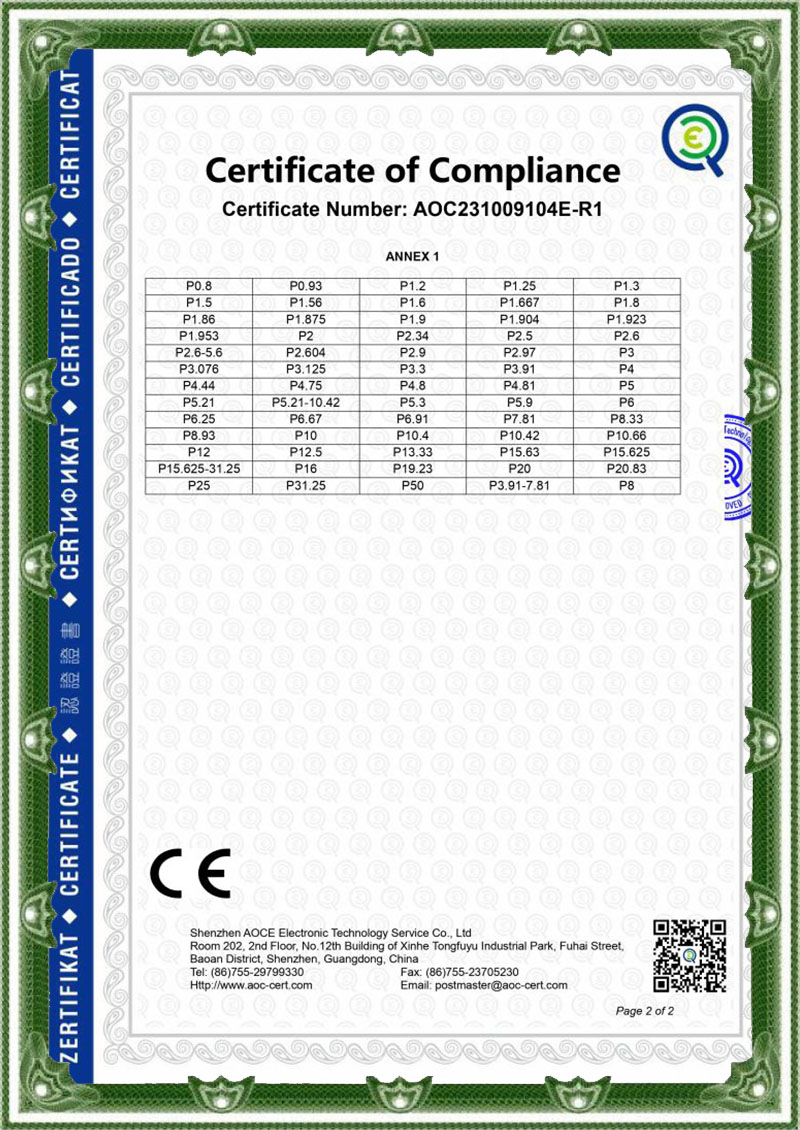
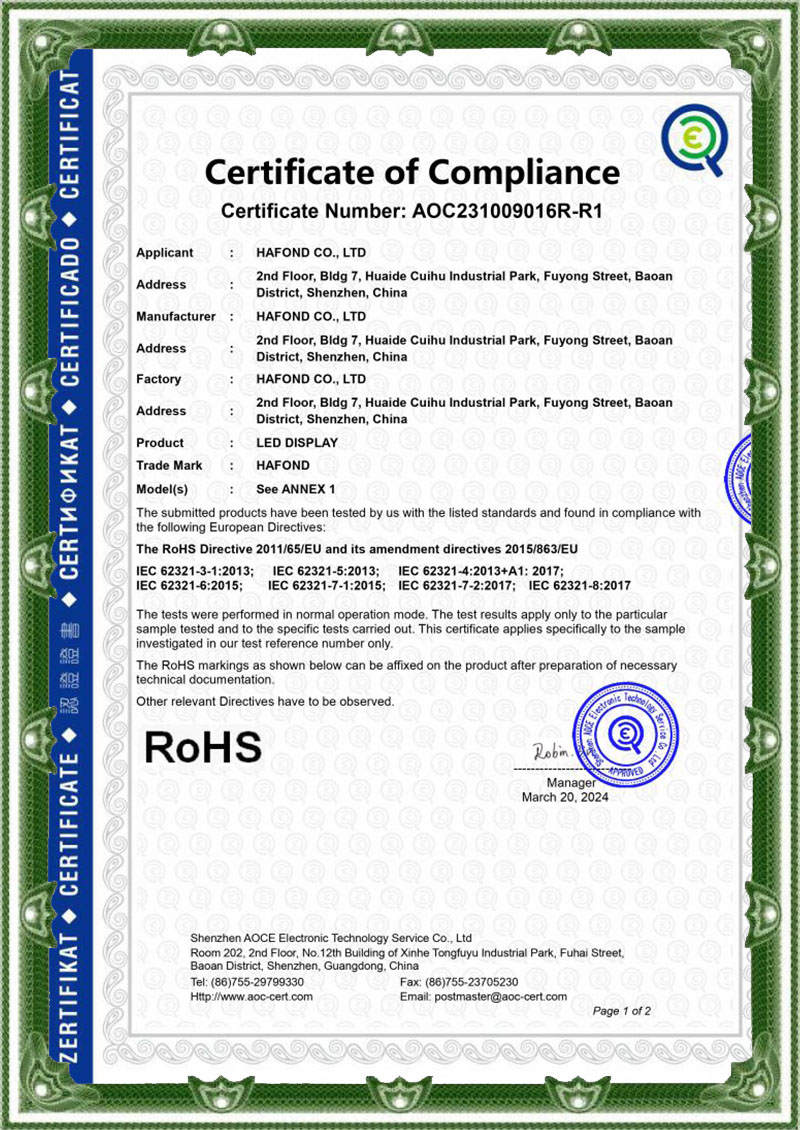
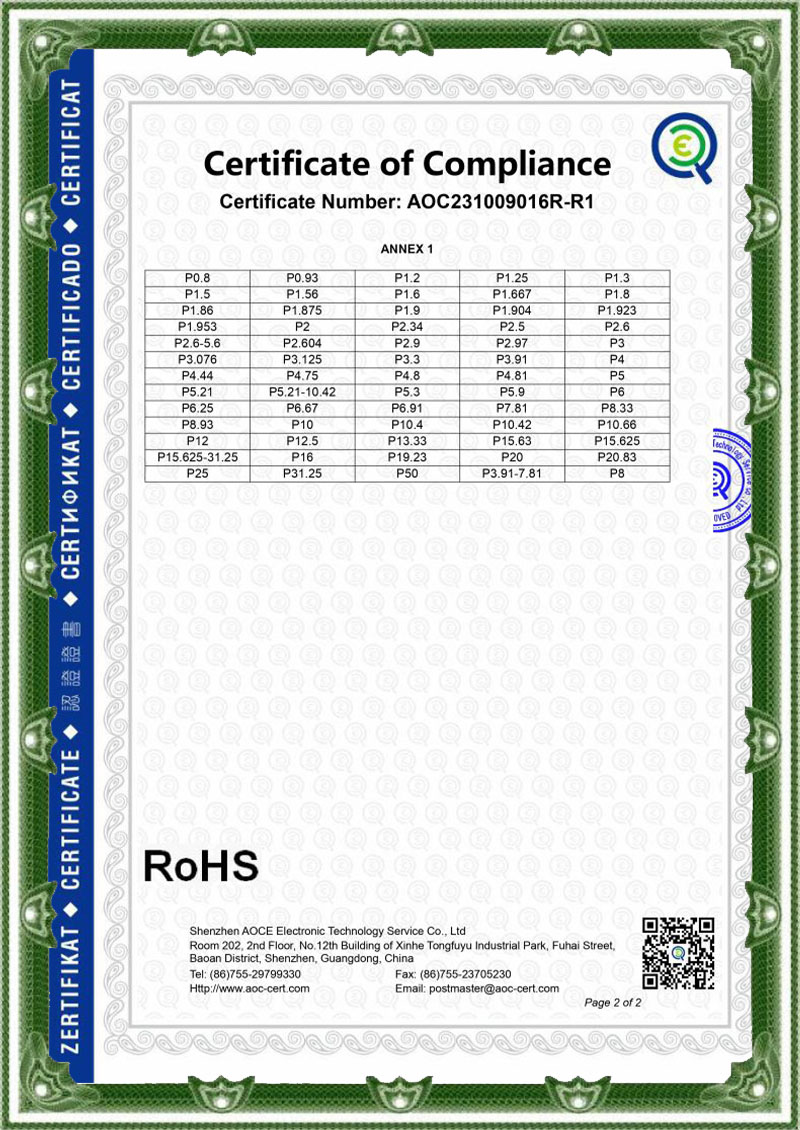
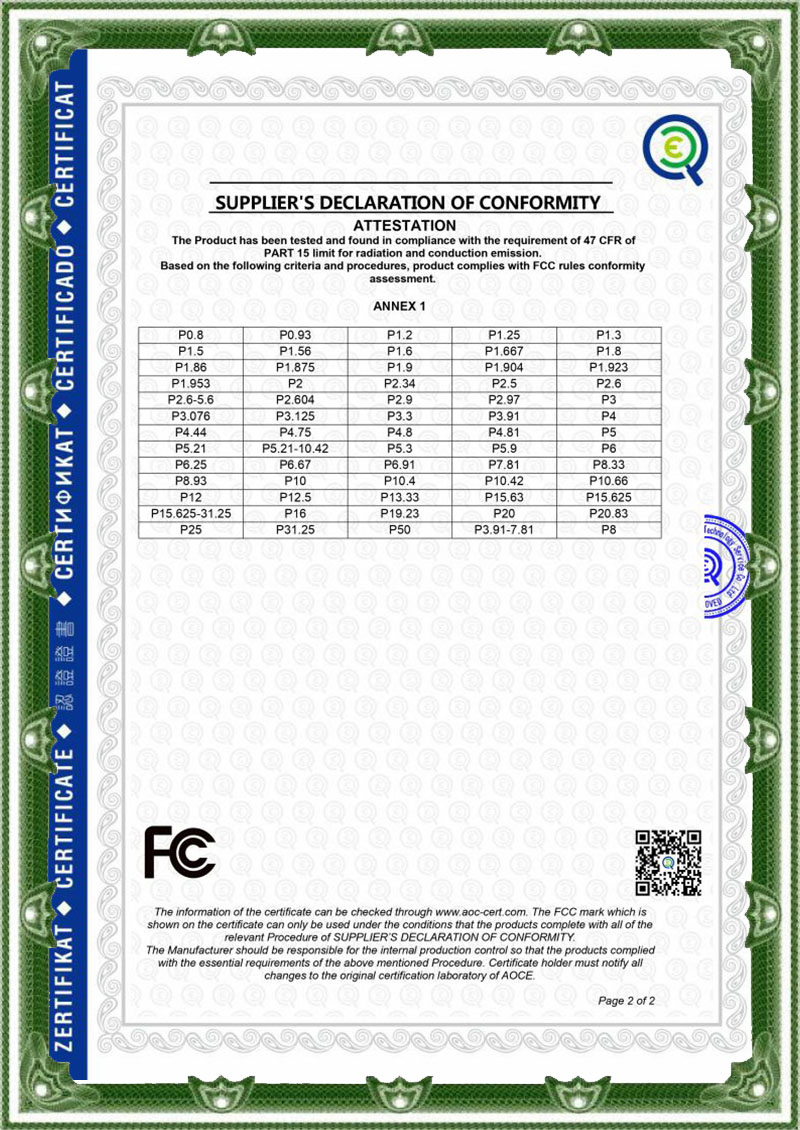
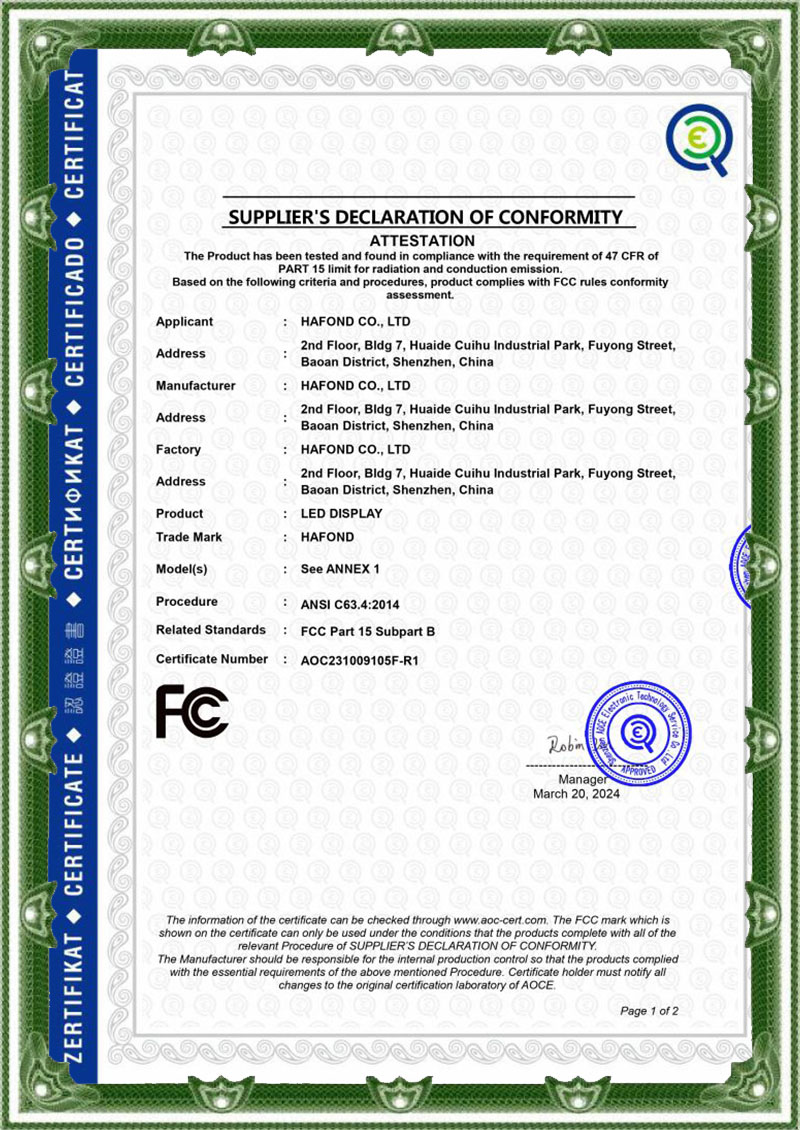
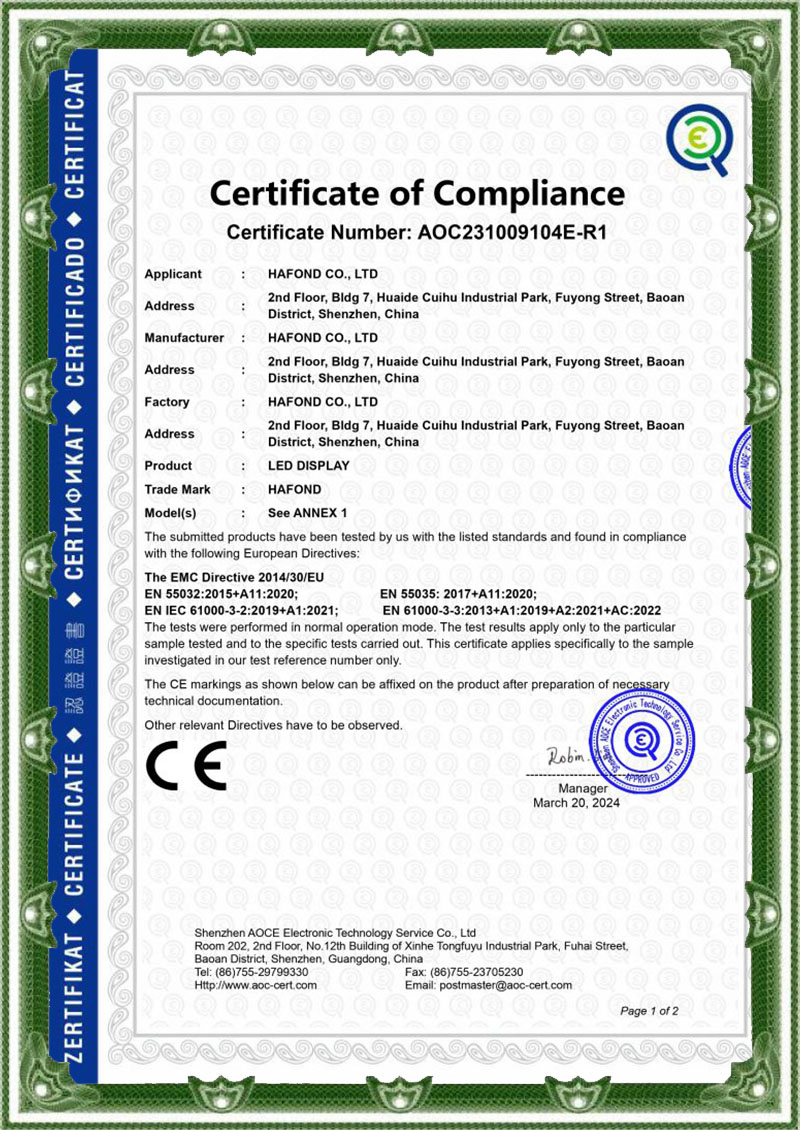
Every batch undergoes strict 72-hour continuous full-white screen burn-in testing, IPX7 immersion tests, thermal cycling (-40°C to +70°C), and full compliance testing for CE, FCC, and RoHS standards.
Pioneering the Future of Architectural Media with AI, Micro-SMD, and Solar Integration
Future development focuses on pushing transparent LED mesh pixel densities below P6.25 without losing optical transparency. By using sub-millimeter Micro-SMD packaging and transparent conductive glass circuitry, media facades will offer near 4K clarity at close viewing distances.
Integrating environmental sensor clusters directly into the display mesh. Integrated hardware monitors ambient noise, sunlight intensity, traffic density, and weather patterns, automatically adjusting screen brightness, color temperature, and dynamic content rendering in real-time.
Merging flexible solar thin-film cells into non-emitting areas of the mesh structure. This hybrid design generates renewable solar electricity during daylight hours to offset the screen's nighttime operational power consumption.
Applying nanoscale hydrophobic and anti-dust coatings over optical strips, ensuring self-cleaning properties during rainy conditions and maximizing IK10 mechanical impact resistance against wind-borne debris.
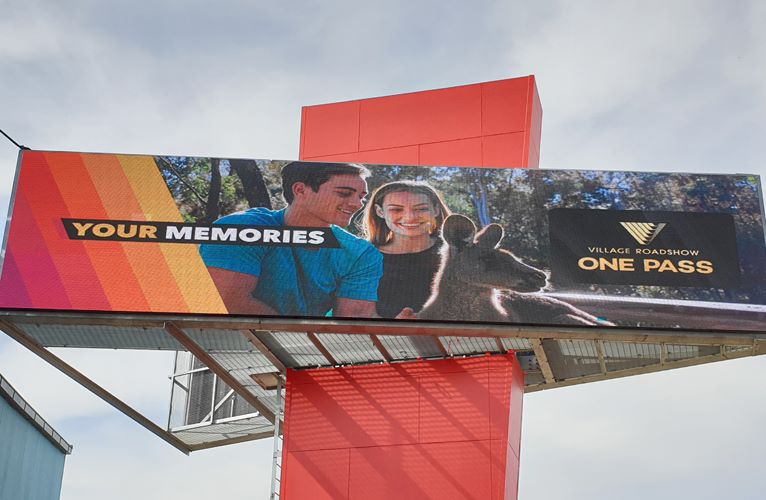
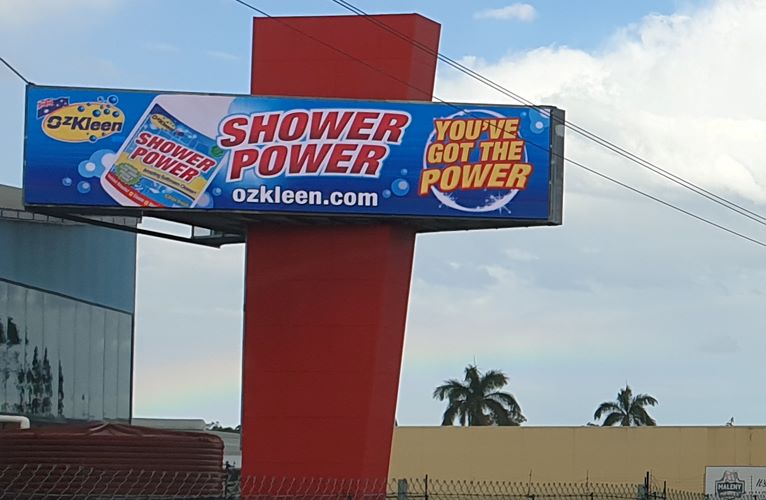
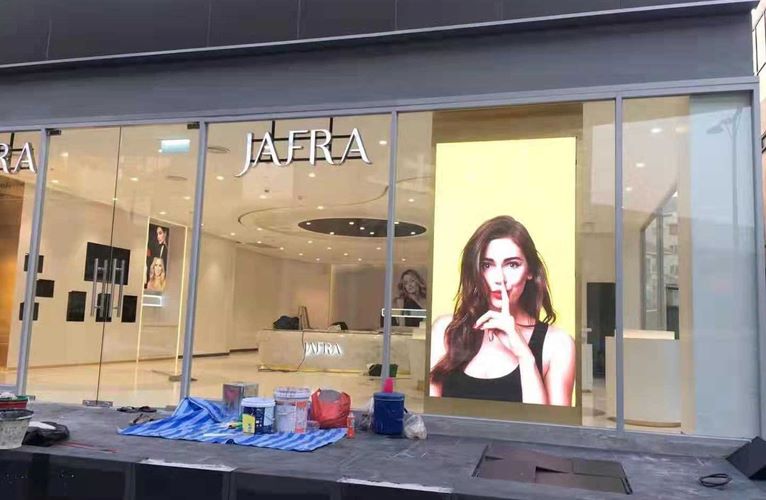
Delivering Visual Excellence Across Commercial Complexes, Stadiums, and Public Landmarks

Expert Engineering Answers to Assist B2B Buyers, Contractors, and Architectural Systems Integrators
LED mesh screens feature an hollow strip grid design (30% to 80% transparency), allowing ambient wind to flow directly through the screen. This drastically lowers wind drag coefficient (Cd) compared to solid cabinet screens, ensuring structural stability up to Typhoon Level 14 winds without requiring heavy steel frame reinforcement.
Pixel pitch selection depends on viewing distance. For close viewing distances (10m–30m), P10 to P16 mesh is ideal. For long viewing distances (50m–300m+) such as skyscraper facades or highway signs, P25, P31.25, or P50 delivers clear imagery while optimizing cost, weight, and transparency.
Yes. Premium LED mesh displays utilize dual-maintenance design architecture. Individual LED strip bars or power units can be unlatched and replaced from either the front (ideal for glass facades without catwalks) or the rear (for building maintenance corridors) within minutes.
The LED chips and PCB strip assemblies are fully encapsulated using optical-grade silicone gel pot filling. Coupled with gold-plated waterproof connectors and IP68 sealed power boxes, the modules remain fully protected against continuous rain, salt fog corrosion, dust storms, and extreme temperatures (-40°C to +70°C).
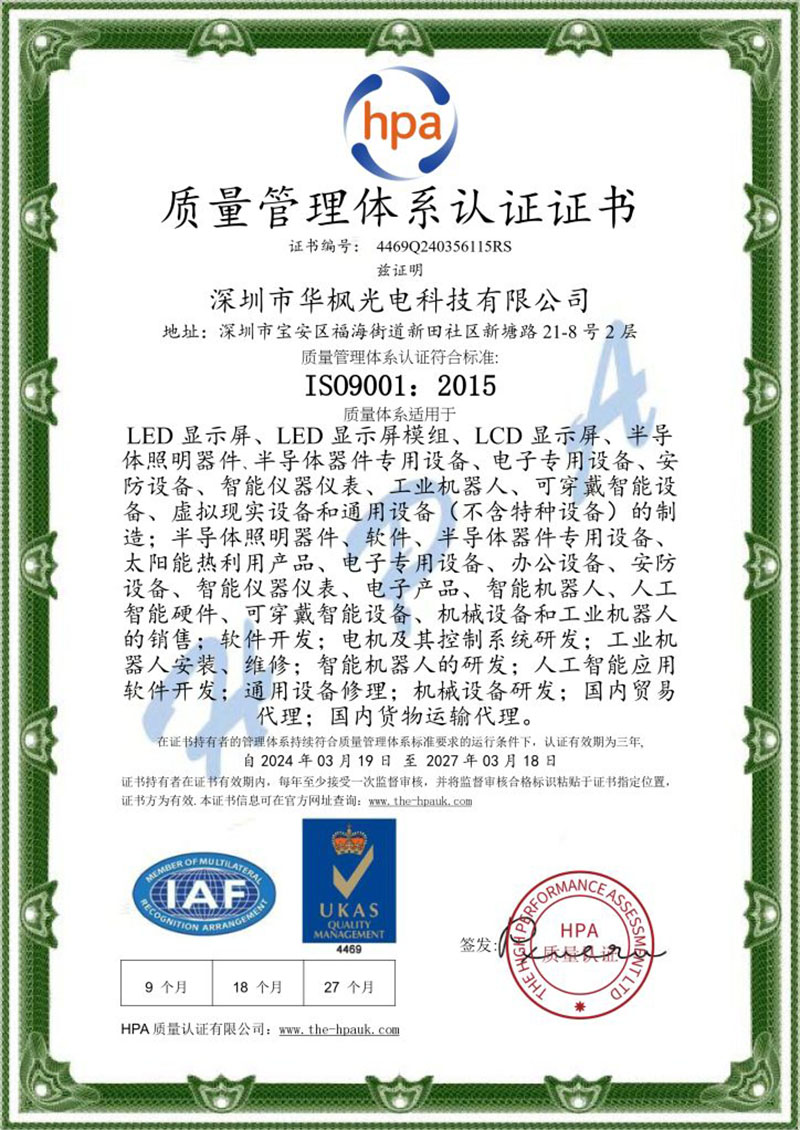
HAFOND CO., LTD operates over 2,000 SQM of production area with a monthly capacity exceeding 3,000 SQM. Backed by 10+ years of expertise, automated SMT lines, CE/RoHS/FCC certifications, and export experience in 50+ countries, we ensure strict quality control and timely delivery.
HAFOND offers a standard 2-year full factory warranty covering all components. We provide replacement parts, remote diagnostic software support, 24/7 engineer assistance, and shared international shipping costs for covered warranty services.
Our displays feature dynamic light sensors connected to multi-function control cards. During direct sunlight hours, the screen output scales up to 8,000–10,000 nits for maximum daylight visibility. At night, brightness automatically dims down to 500–1,000 nits to save energy and prevent light pollution.
Yes. The modular strip design of LED mesh panels allows flexible bending, angle adjustments, and custom strip lengths. Designers can easily install screens on curved, cylindrical, or irregular architectural building envelopes.
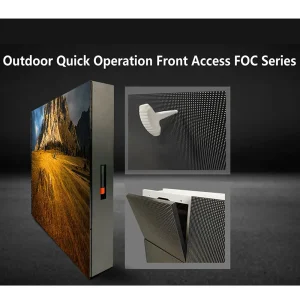
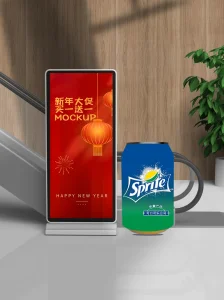
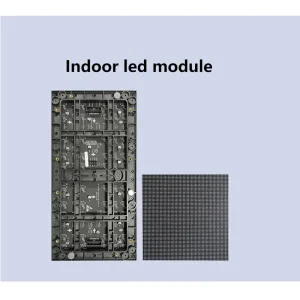
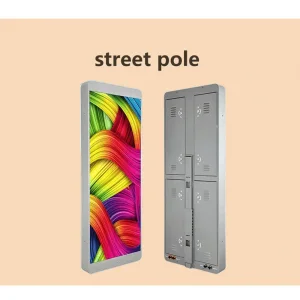
High-reliability indoor fixed, outdoor front-access, smart guide, and street pole displays
 Hafond Display