Premium outdoor visual systems specifically engineered for Rwanda's high-altitude urban corridors and digital advertising networks.
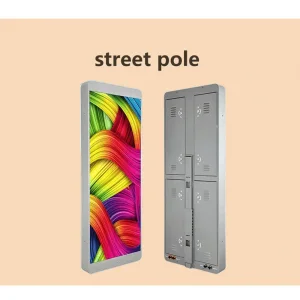
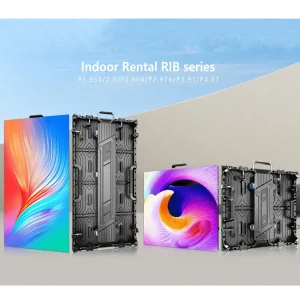
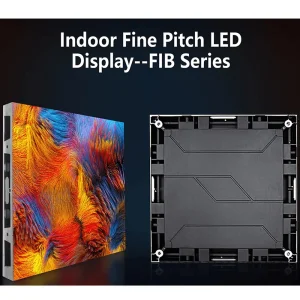
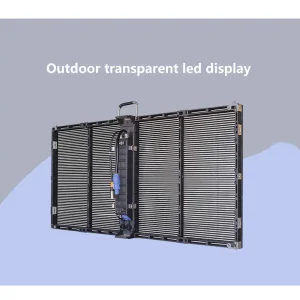
Rwanda's urbanization model, driven by the ambitious Vision 2050 and the Kigali Smart City Master Plan, represents a massive paradigm shift in East African municipal infrastructure. As municipalities from Kigali to secondary cities like Rubavu and Musanze invest heavily in smart road networks, the traditional utility landscape is evolving. Street pole LED displays have emerged as a critical micro-infrastructure element, functioning not merely as static advertising media, but as smart communication nodes integrated with IoT sensors, city security networks, and public informational channels.
In this dynamic, the procurement of street pole LED displays in Rwanda demands solutions that are optimized for high-altitude tropical environments. Kigali, sitting at approximately 1,500 meters above sea level, is subjected to intense equatorial sunlight, high UV indexes, and rapid seasonal transitions between heavy rainfall and dusty dry spells. These factors require displays with exceptional thermal dissipation, robust IP ratings (IP65 minimum for outdoor installations), and automated brightness regulation to adapt from high daylight glare to localized night ambient light thresholds regulated by the Rwanda Utilities Regulatory Authority (RURA).
Integration capabilities with ambient air quality sensors, local traffic cameras, and environmental monitoring devices directly tied to central municipal dashboards.
Built to withstand intense equatorial downpours and high-dust seasons (harmattan/dry spells) typical of Central-East African highlands without diagnostic degradation.
Unlocks high-impact, programmatic advertising streams along key commercial corridors such as KN 3 Road, Boulevard de l'Umuganda, and Kigali Heights.
For smart municipal deployment in Kigali and East Africa, Hafond engineers focus on technical parameters that minimize Total Cost of Ownership (TCO) and maximize Mean Time Between Failures (MTBF):
Eliminates active air conditioning units by utilizing passive aerodynamic heat dissipation, significantly reducing power draw and structural load stress.
Equipped with wide voltage inputs and premium surge protection devices (SPDs) to buffer against national grid voltage fluctuations and prevent system resets.
Allows centralized command over 4G/5G and fiber-optic networks, enabling municipal updates, warnings, and programmatic ad campaigns in real-time.
Detailed logistical pathways and regulatory advisory for smooth importation and local project implementation.
Procuring LED display hardware for public or private tenders in Rwanda requires an understanding of regional supply chains. Hafond streamlines this process by utilizing established global corridors, shipping from our state-of-the-art facilities in Shenzhen to Rwanda's key landlocked logistics pathways: the Northern Corridor (via Mombasa, Kenya to Kampala, Uganda and into Kigali) or the Central Corridor (via Dar es Salaam, Tanzania directly to Kigali).
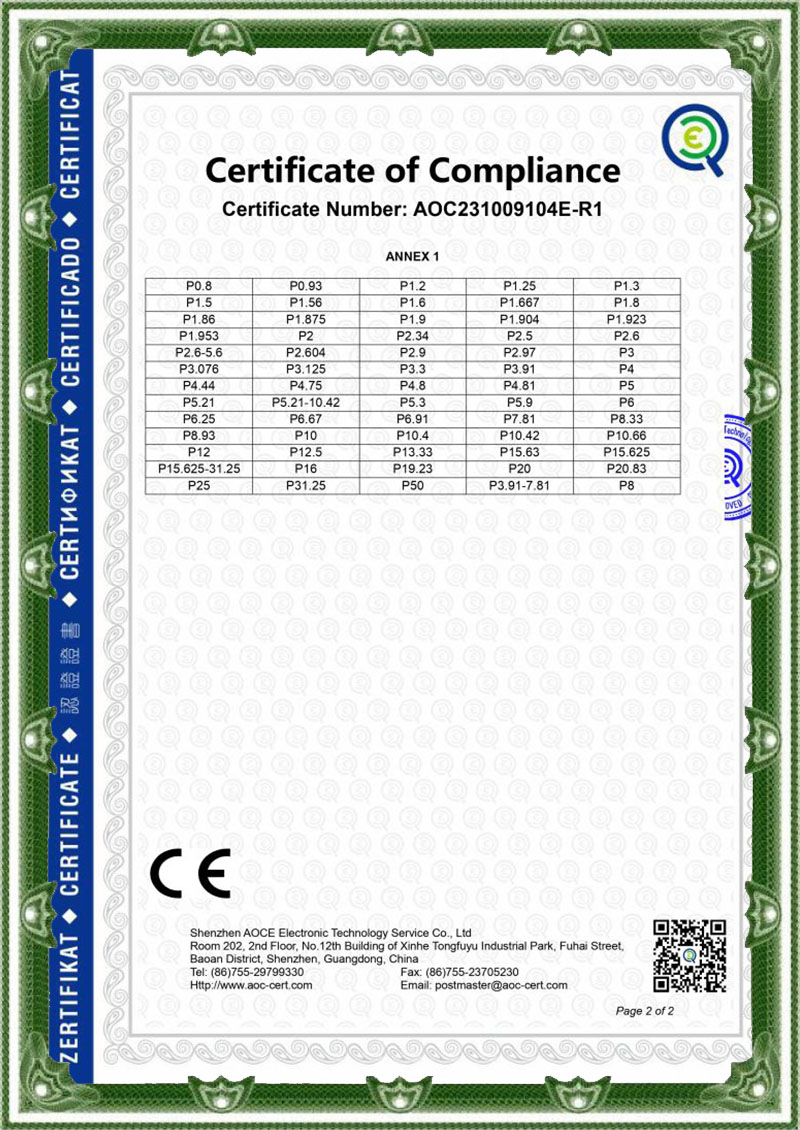
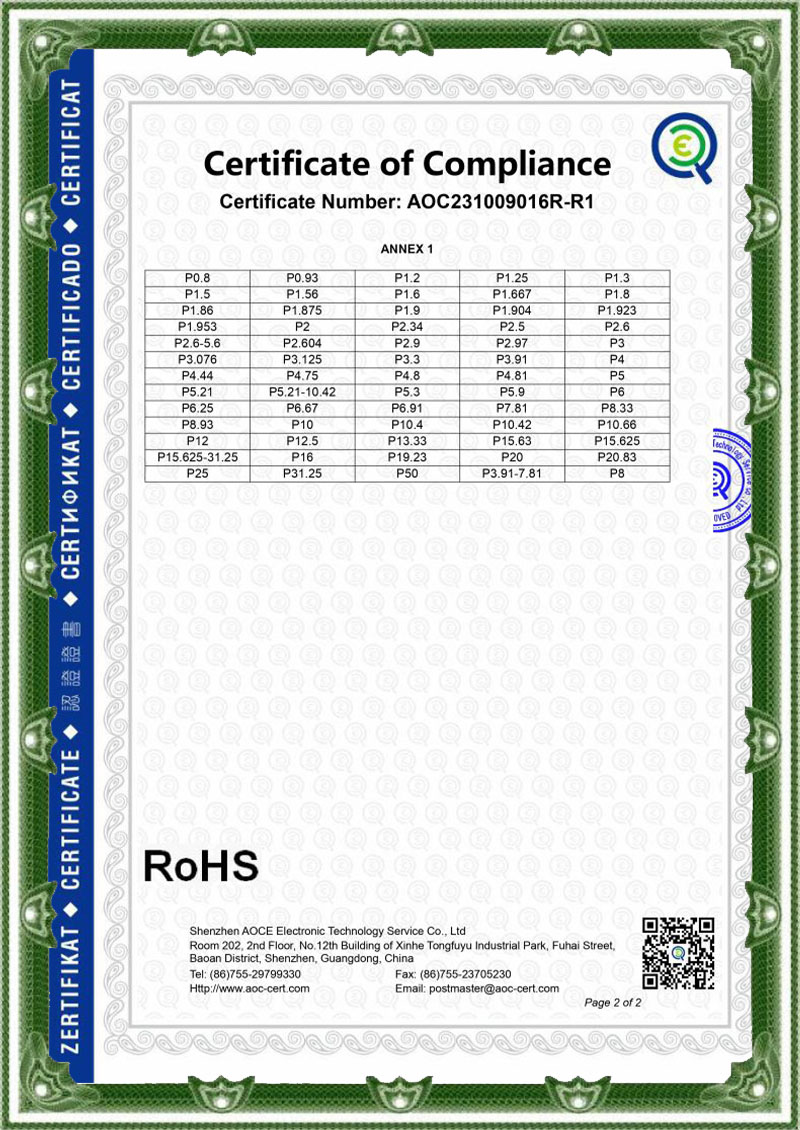
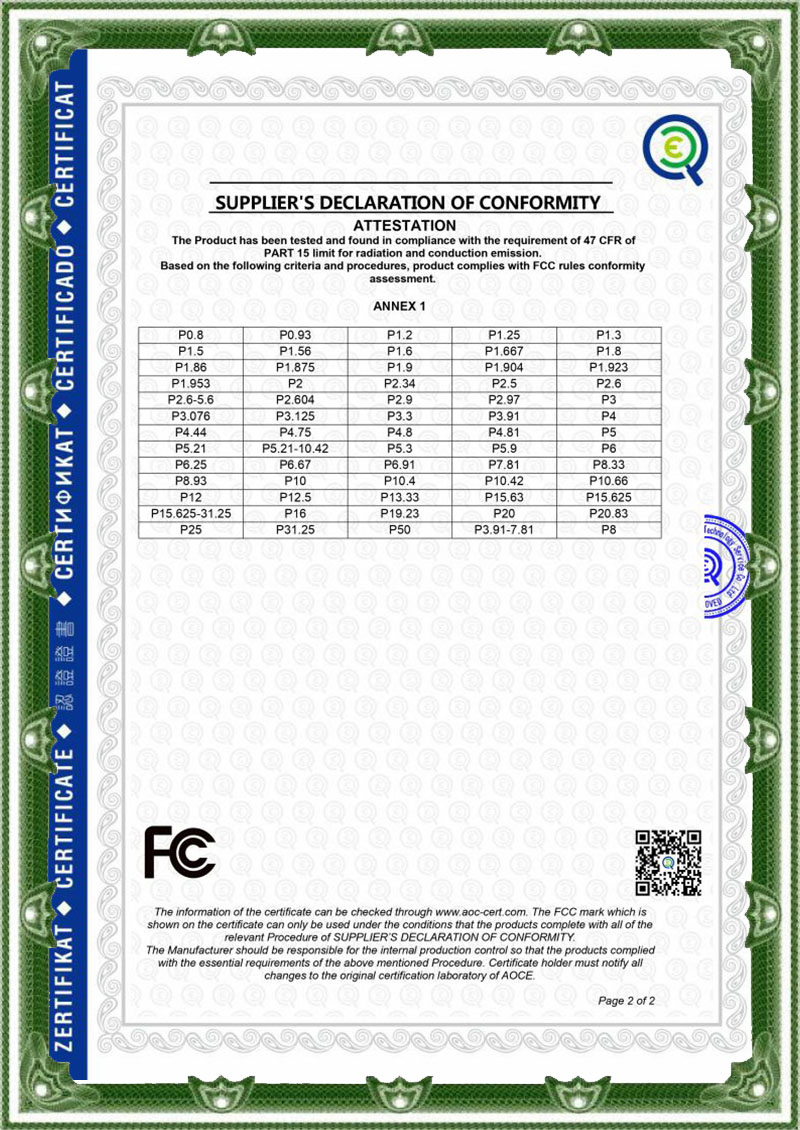
All imported units are configured to satisfy EAC (East African Community) custom declarations and are accompanied by comprehensive certificate packs including CE, FCC, RoHS, and preliminary documentation matching the requirements of the Rwanda Standards Board (RSB). By structuring logistics early, we prevent demurrage and clearance hold-ups at dry ports like Kigali Logistics Platform (KLP) in Masaka.
Exploring high-efficiency LED screen installations designed to perform under intensive outdoor operating cycles.




Over a decade of design, engineering, and support, helping global entities deploy high-impact visual environments.
Hafond fosters a culture of continuous hardware and software refinement, ensuring that our street pole displays integrate state-of-the-art power-saving technologies and modular cabinet frameworks.
From initial wind load calculations and mounting bracket design for specific utility poles, to remote setup assistance for localized display systems, we prioritize client specifications.
We work in collaboration with contractors, municipal planners, and DOOH advertising firms across the globe, providing reliable support frameworks that span over the product lifecycle.
A broad array of indoor, outdoor, and specialty screens configured for commercial real estate, corporate venues, and public architecture in Rwanda.
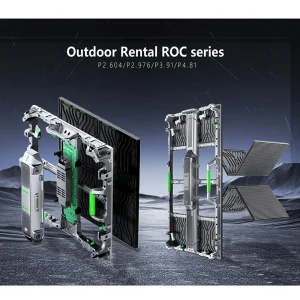

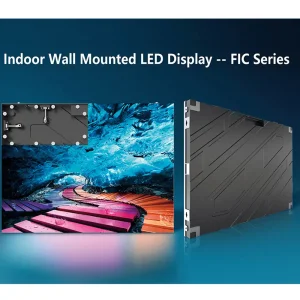
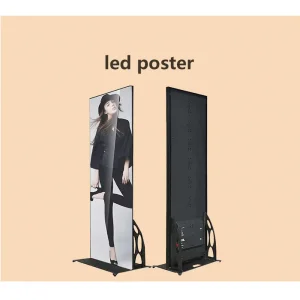
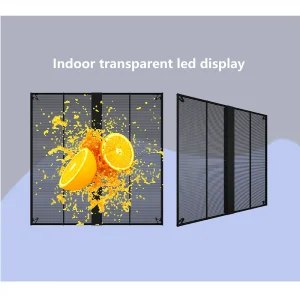
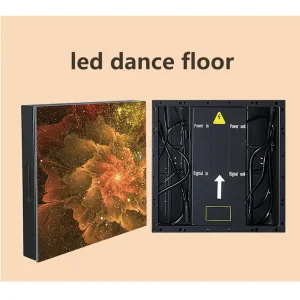
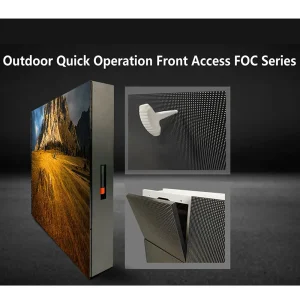

Alternative hardware designs for specific structural, guidance, and event infrastructure applications.
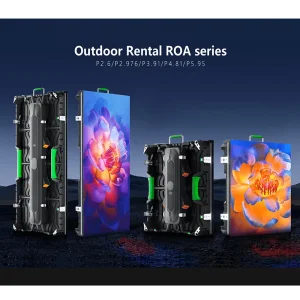
Internal views from Hafond's quality compliance and calibration facilities.



As the optical and electronics industry shifts towards micro-LED structures, the design envelope for smart street pole signs is expanding. Our engineering department operates with a definitive 3-year technological roadmap that addresses energy saving, visual fidelity, and network integration:
Traditional displays apply a uniform voltage level to red, green, and blue LEDs. By adopting a Common Cathode technology framework, power is delivered independently and precisely to each diode (e.g., 2.8V for red, 3.8V for blue/green). This structural shift reduces operational temperatures by up to 15°C and slashes energy draw by 30-40%, mitigating thermal loads under Rwanda's tropical sun.
Future smart cities in Rwanda will leverage decentralized network nodes. By embedding AI-enabled controllers inside our street pole displays, cabinets can execute local light levels optimization, analyze crowd concentrations to target dynamic advertising campaigns, and immediately report electrical anomalies, power failures, or diagnostic alerts directly back to municipal repair operators.
Street light styles vary heavily depending on local district planning guidelines. Our designs focus on tool-free structural brackets that adapt to round, octagonal, or square poles, ensuring that street sign retrofits do not require structural replacement of expensive municipal steel poles.
Addressing the technical, operational, and financial considerations of importing and maintaining LED screens in Rwanda.
For optimal readability in urban settings, we recommend a pixel pitch between P3 and P4. Given that street pole displays are typically mounted 2.5 to 4 meters above the ground, this ensures sharp visual reproduction for pedestrians and drivers from a viewing distance of 3 to 50 meters.
Our displays integrate broad-range switching power supplies with over-voltage and under-voltage protection (SPDs). In the event of grid instability, the power supply isolates the sensitive driving boards and LEDs, preventing hardware degradation and automatically resuming operation once current levels normalize.
Yes. Utilizing central cloud platforms, all installations can synchronize frame-for-frame via GPS timing chips. This allows advertisers or traffic management operators to display seamless, coordinated visuals or alerts across hundreds of displays simultaneously.
Hafond provides a complete two-year hardware warranty. In the rare case of modular faults, we provide replacement components. Technical support engineers are available online to assist with commissioning, diagnostic scans, and remote content configuration adjustments.
Connect with our engineering and logistics specialists to receive detailed CAD templates, structural drawings, price sheets, and customized clearance support for the Rwandan market.
Send Inquiry Now Hafond Display